As an Amazon Associate I earn from qualifying purchases. This page contains affiliate links, and I may earn a commission at no extra cost to you.
The Multi-Generational Board Game Dilemma
Most music trivia games fall apart within fifteen minutes because someone at the table knows every obscure 1970s B-side while the teenagers stare blankly at their phones. Traditional pub-style trivia demands encyclopaedic recall: exact artist names, precise release years, and song titles. That format instantly alienates casual listeners.
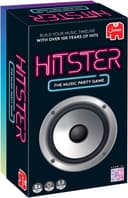
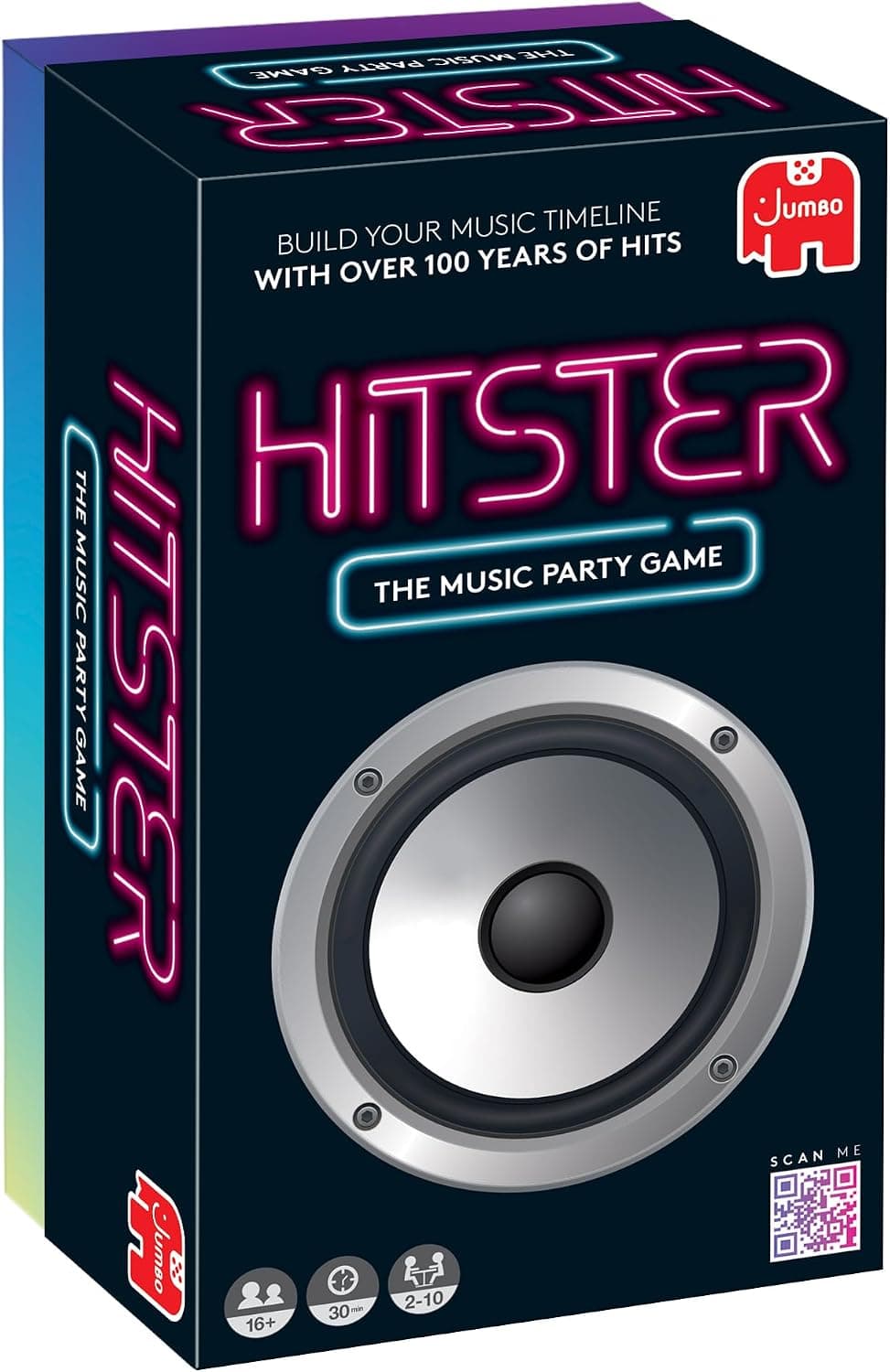
The Hitster series by Jumbo solves this problem by stripping away the punishing trivia mechanics. Instead of demanding an exact date, the game asks players to build a chronological timeline of songs simply by listening to a snippet via Spotify and sliding a card into relative chronological order: did this track come before or after Queen's Bohemian Rhapsody? You do not even need to know the artist to earn points, though knowing the title and year unlocks bonus tokens.
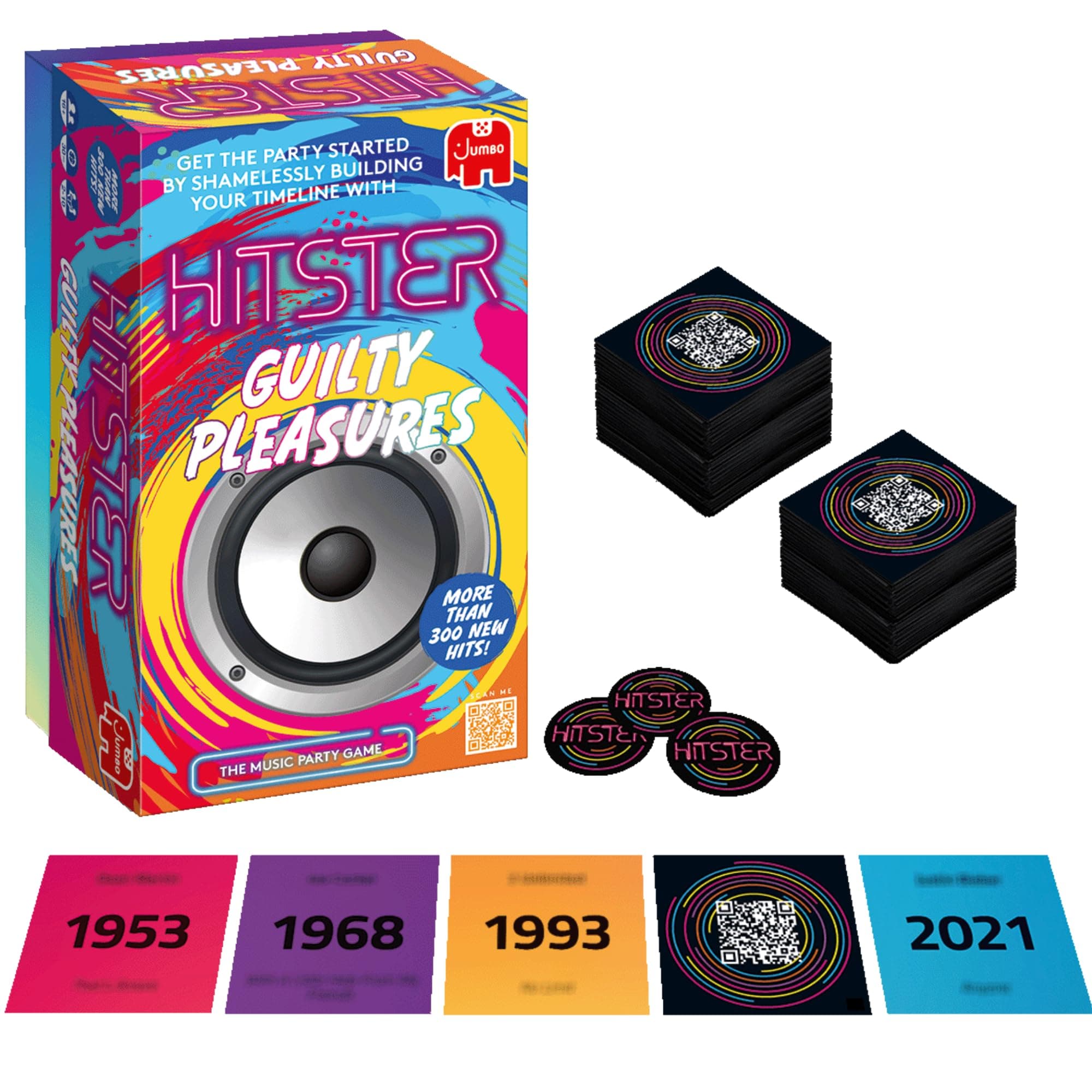
Because Hitster has expanded into several editions, gift shoppers frequently face a confusing dilemma: should you buy the flagship Jumbo Hitster The Music Card Game or opt for the vibrant pink box of Jumbo Hitster Guilty Pleasures Music Card Game? Both hover around the mid-range party game price point of £20 to £25 and come with over 300 physical cards. However, the track selections create fundamentally different party atmospheres.
Quick Comparison: Hitster Editions at a Glance
| Edition | Track Count | Vibe & Musical Era | Best Suited For | Buy |
|---|---|---|---|---|
| Jumbo Hitster The Music Card Game | 300+ tracks | Century of hits (1920s–2020s), broad pop, rock, disco, hip-hop | Mixed-generation family gatherings (grandparents to teens) | See it on Amazon |
| Jumbo Hitster Guilty Pleasures | 300+ tracks | Unashamed pop anthems, cheesy party bops, boybands, Eurodance | Lively drinks nights, 90s/00s kids, singalong crowds | See it on Amazon |
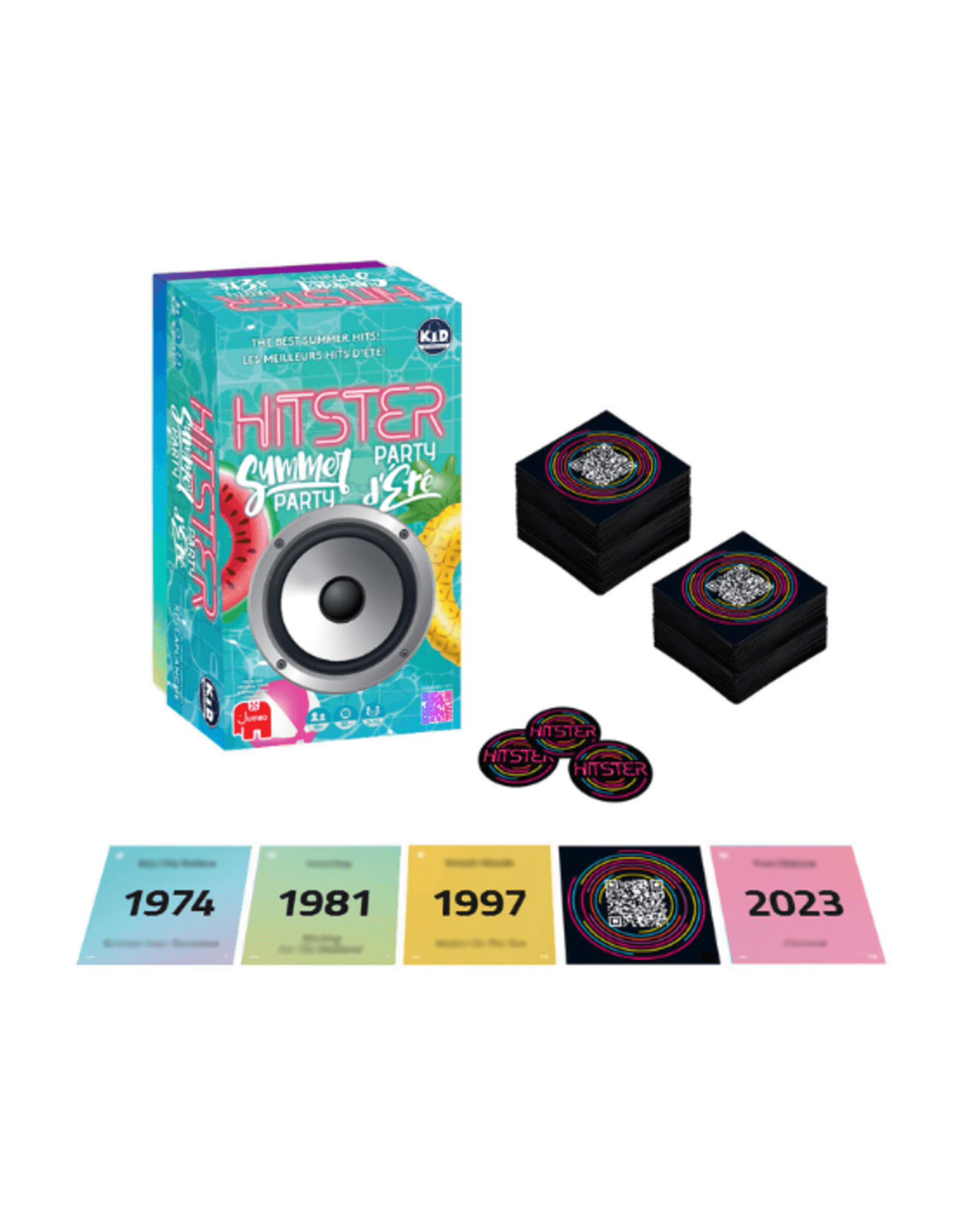
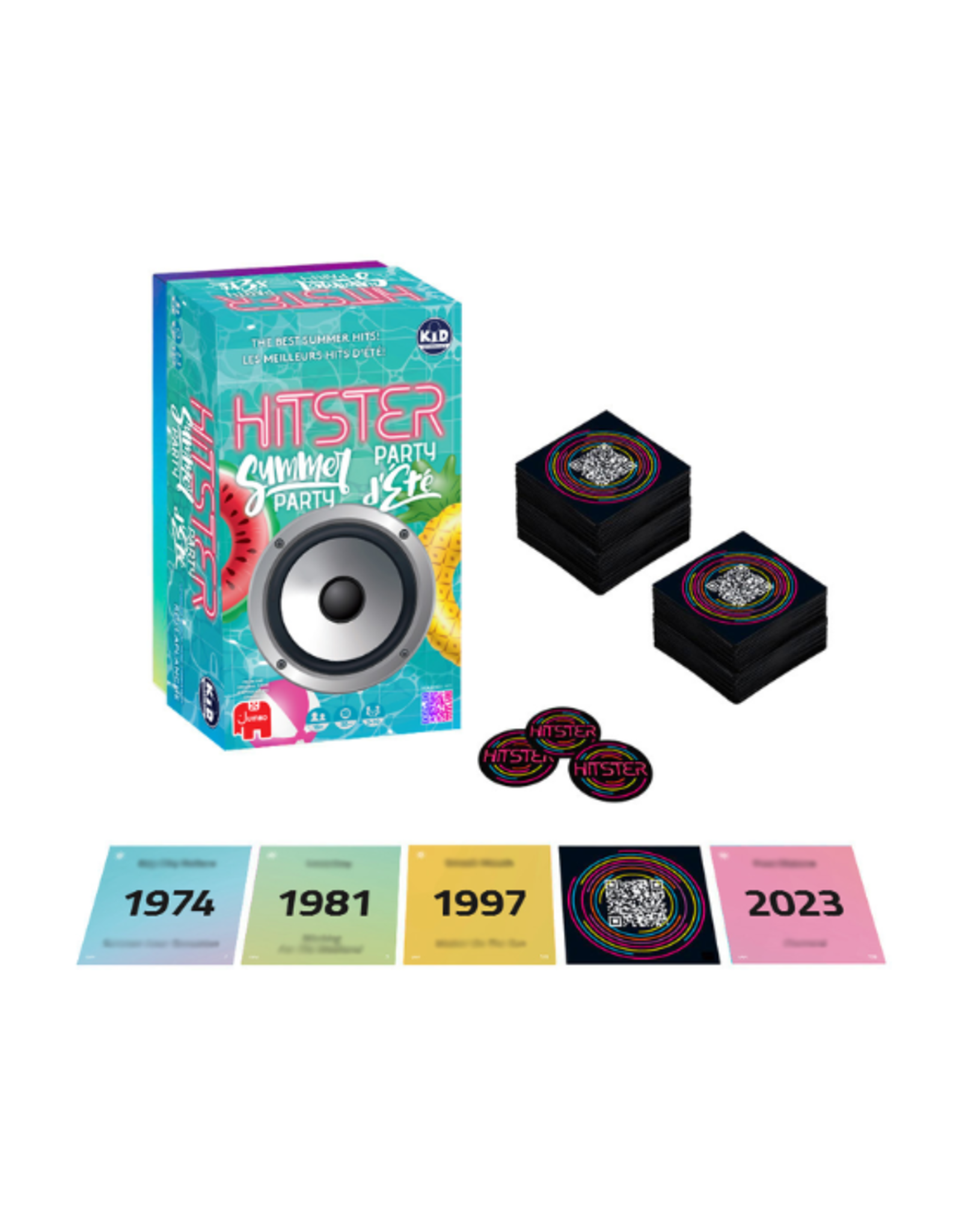
| Jumbo Hitster Summer Party | 300+ tracks | Sun-drenched holiday anthems, reggae-pop, dance, festival tunes | Summer barbecues, garden parties, upbeat holiday hosts | See it on Amazon |
How Hitster Works: The Core Mechanic and App Integration
Every box in the Hitster range follows the same elegant engine. Inside the box, you receive over 300 cards, 37 Hitster tokens, and a brief rulesheet. Each card displays a scannable QR code on one side and the answer details—song title, artist name, and exact release year—printed clearly on the reverse.
To play, one player uses a smartphone running the free companion Hitster app to scan the active card's QR code. The app connects directly to Spotify. If the host holds a Spotify Premium account, the app automatically streams an excerpt of the song seamlessly without showing the song title on screen. Free Spotify users can also play, but someone must manually act as the DJ or handle short ad interruptions between tracks. Verified owner feedback consistently confirms that a Premium account yields the smoothest experience.
The active player listens to the track and decides where it fits on their personal musical timeline relative to the cards they have already accumulated. If you already have a 1984 Madonna track and a 2010 Rihanna track in front of you, and the new song sounds like mid-90s Britpop, you slide the facedown card between them. Once placed, you flip the card over. If your chronological placement is correct, the card stays in your line. The first player or team to correctly place 10 cards wins.
The 37 included chips introduce tactical nuance. You can cash in chips to buy extra cards, challenge an opponent's timeline placement if you think they made an error, or earn bonus tokens by correctly naming the artist and title before flipping.
Head-to-Head: Original vs Guilty Pleasures
Tracklist Diversity & Era Spread
The flagship Jumbo Hitster The Music Card Game takes its '100 years of hits' strap-line seriously. While the bulk of the 300+ card deck concentrates on the golden eras of commercial radio (1960s through the 2010s), the tracklist spans rock and roll pioneers, Motown soul, 70s classic rock, 80s synth-pop, 90s alternative, and modern streaming chart-toppers. This broad historical sweep gives older players an authentic advantage on early rock, jazz-adjacent classics, and 70s tracks, balancing out younger players who dominate the 2000s and 2010s hits.
By contrast, the Jumbo Hitster Guilty Pleasures Music Card Game heavily weights its track selection toward late-80s, 90s, 2000s, and early 2010s commercial pop, dance-pop, boyband ballads, and one-hit wonders. While there are older cheesy anthems in the mix, the distribution leans noticeably younger and distinctly louder. It features songs everyone knows by heart but rarely admits to having on their primary playlists—think Backstreet Boys, Britney Spears, Wham!, Village People, and Aqua.
Singalong Factor vs Strategic Placement
Because the Guilty Pleasures edition focuses purely on infectious hooks, games frequently turn into impromptu karaoke sessions. Players rarely sit quietly calculating release dates; instead, the table bursts into song the second the opening beat plays. The downside to this instant familiarity is that chronologically placing guilty pleasure tracks can be surprisingly tricky—a 1999 Eurodance anthem and a 2004 pop hit can sound stylistically interchangeable, leading to heated chronological debates.
The original Hitster delivers a more balanced, contemplative trivia dynamic. Because the genre shifts radically from card to card—jumping from a 1968 psychedelic track straight to a 2015 urban smash—the chronological gaps are often wider and easier to deduce logically, even if players do not recognise the specific tune instantly.
Cross-Generational Recognition Rates
If your intended recipient hosts gatherings with an age spread spanning 40 or 50 years (for example, Christmas gatherings with teenagers, parents, and grandparents), the original Hitster is the safer purchase. Its deck guarantees that every generation gets moments to shine.
If the game is intended for millennials, Gen-X friend groups, university housemates, or festive dinner parties with peers in their 20s to 40s, Jumbo Hitster Guilty Pleasures Music Card Game generates significantly more laughter and immediate energy.
In-Depth Review: Jumbo Hitster The Music Card Game
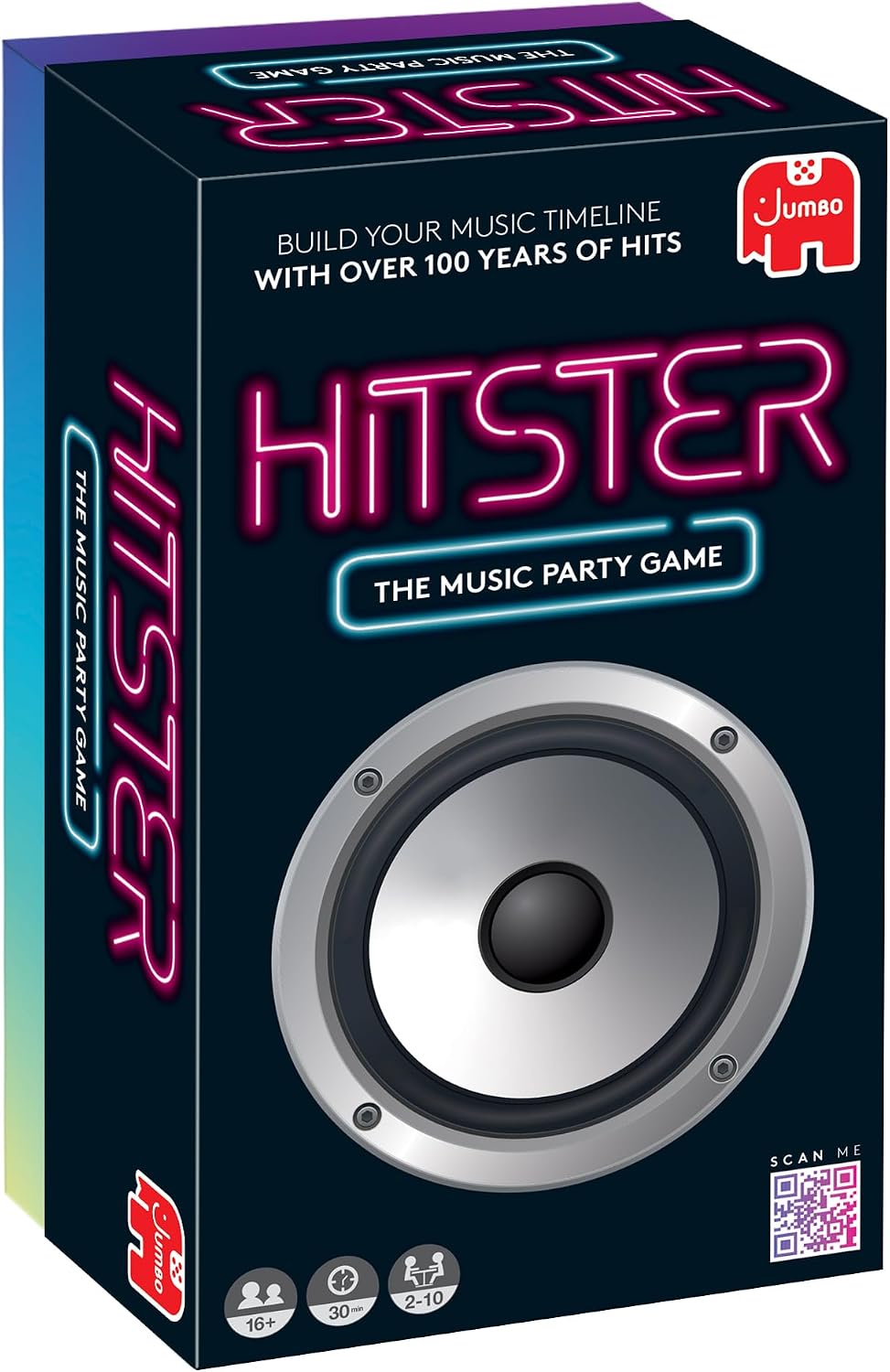
The standard black-and-gold box of the Jumbo Hitster The Music Card Game remains one of the most reliable multi-generational party games released in recent years. Its brilliance lies in removing the frustration barrier common to standard trivia games.
Design and Build Quality
The physical components are compact and unfussy. The 300+ cards are printed on decent cardstock, though sleeve enthusiasts may find them a snug fit if they intend to keep them in the original moulded plastic insert. The QR codes are printed crisply on the back of each card, scanning instantly on modern smartphone cameras even under ambient living room lighting. The 37 tokens are lightweight plastic chips that serve their mechanical purpose cleanly.
Gameplay and Competitive Modes
The manufacturer includes several rule variants out of the box:
- Competitive Individual Play: The default mode where players build their own 10-card timeline.
- Co-operative Play: Perfect for relaxed family nights where everyone collaborates to build a single master timeline of 10 or 15 cards before making a set number of mistakes.
- Team Showdown: The ideal party configuration for groups larger than six, splitting the room into two competitive tables.
- Hitster Pro / Expert: Experienced music buffs can play with strict rules where you must state the artist and exact year to score the card.
The inclusion of co-op play makes this box particularly friendly for younger kids or non-competitive adults who feel intimidated by standard quiz games.
In-Depth Review: Jumbo Hitster Guilty Pleasures
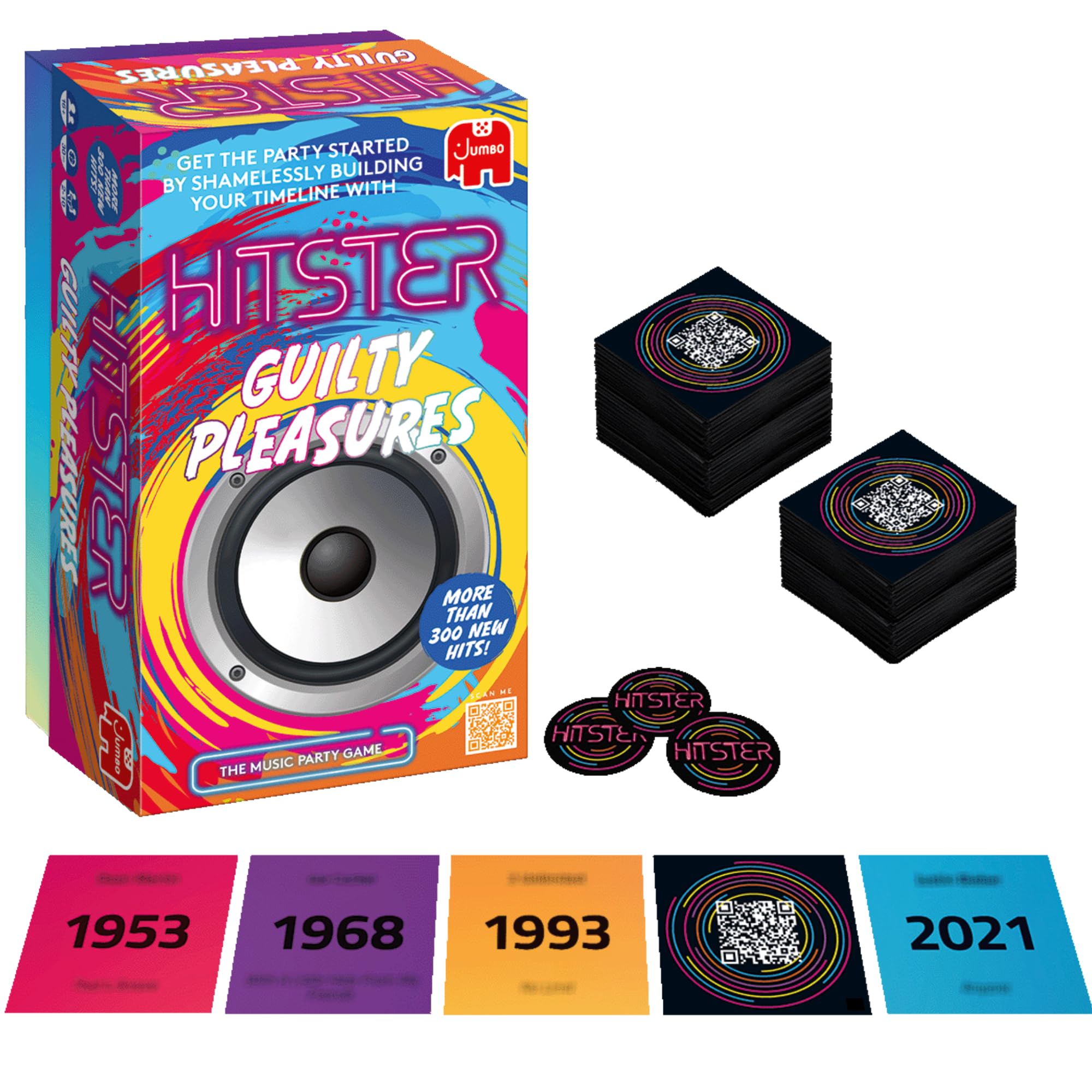
Sporting a hot pink aesthetic, the Jumbo Hitster Guilty Pleasures Music Card Game works as both a standalone game and a massive expansion pack that can be shuffled directly into the original set.
Atmosphere and Energy
Where the original set occasionally serves up an acoustic folk track or slow ballad that quiets the room, Guilty Pleasures keeps the decibels high. The track selection is deliberately tuned for high-energy social gatherings where music acts as a catalyst for banter and dancing. The cards encompass everything from disco floor-fillers to cheesy pop-rock anthems and 90s bubblegum pop.
Integration with the Base Game
One notable advantage of the Hitster ecosystem is backwards compatibility. Because the card backs and token economy share identical formats across editions, you can seamlessly combine the 300+ Guilty Pleasures cards with the base game. This doubles your library to more than 600 unique tracks, dramatically extending replayability before anyone ever encounters a repeat song.
Alternatives to Consider
If you already own the main sets or want a thematic twist tailored to warmer months and outdoor gatherings, Jumbo offers an additional standalone variant:
Jumbo Hitster Summer Party Music Card Game
The Jumbo Hitster Summer Party Music Card Game concentrates over 300 tracks around sunshine anthems, beach bops, festival favourites, and feel-good holiday hits spanning several decades. Like Guilty Pleasures, it functions either as an independent standalone game or as an add-on expansion to the original box. It makes an excellent gift for hosts who love garden barbecues or summer road trips.
Buying Guide: What to Know Before You Buy
1. Spotify Account Requirements
The biggest potential friction point with Hitster is digital dependency. The game requires a mobile device with internet connectivity and the free Hitster app installed. For the intended hands-off experience, the app connects directly to Spotify Premium, allowing one-tap track playback that hides the metadata. If you only have a free Spotify tier, you can still play, but the host must exercise care to avoid looking at the song details on screen, and commercial ads can occasionally disrupt the flow of play.
2. Speaker Setup Matters
While you can play Hitster directly through a smartphone's built-in speaker, passing a phone around a noisy room gets tedious quickly. Connecting the host phone to a portable Bluetooth speaker in the centre of the table transforms the experience, ensuring everyone hears the subtle audio cues in the intro before the timeline countdown begins.
3. Replay Value and Expansions
With 300+ songs per box and roughly 20–30 cards used per full game, a single box provides roughly 10 to 15 full sessions before you start seeing repeated tracks. Even when a track repeats, placing it into a different relative timeline provides a fresh puzzle. If you play frequently, mixing two boxes together provides immense longevity.
The Bottom Line
If you are buying a gift for a household with mixed generations—parents, teenagers, grandparents, and casual radio listeners—the classic Jumbo Hitster The Music Card Game is the undisputed top recommendation. Its broad chronological spread ensures no single age group dominates or feels excluded.
If you are buying for a group of 20-somethings to 40-somethings who love unapologetic pop anthems, singing along after a few drinks, and lively house parties, grab the Jumbo Hitster Guilty Pleasures Music Card Game instead. Either way, Hitster is one of the most frictionless, high-engagement music party games on the market today.