As an Amazon Associate I earn from qualifying purchases. This page contains affiliate links, and I may earn a commission at no extra cost to you.
The Multi-Generational Board Game Dilemma
Planning entertainment for a mixed-generation UK gathering is often an exercise in frustration. Classic trivia titles like Trivial Pursuit reliably alienate younger players who do not know 1970s politics, while modern meme-based card games leave parents and grandparents completely baffled. The sweet spot requires a format where general cultural intuition outweighs encyclopaedic memory, setup takes under two minutes, and nobody sits silently waiting for their turn.
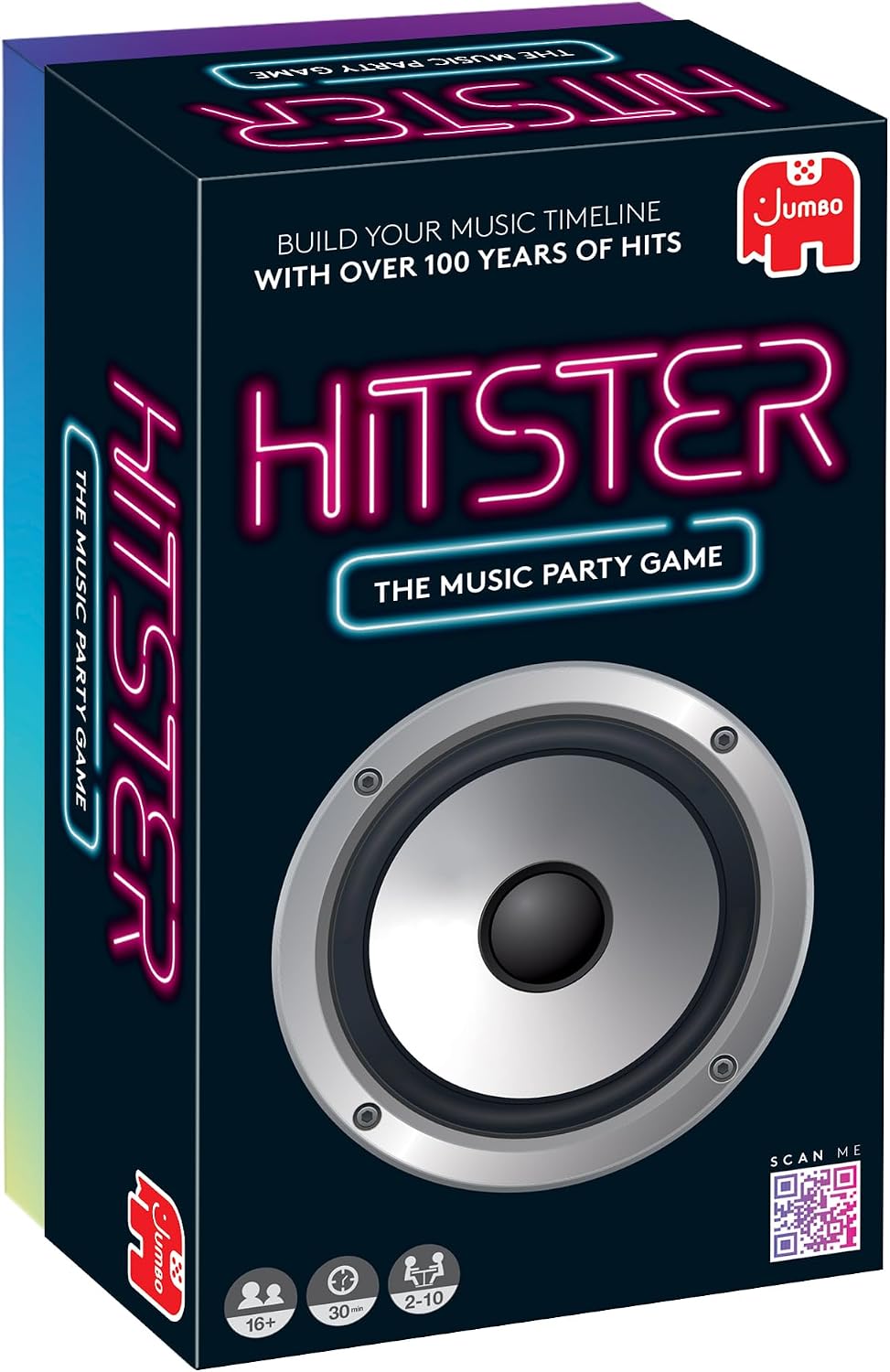
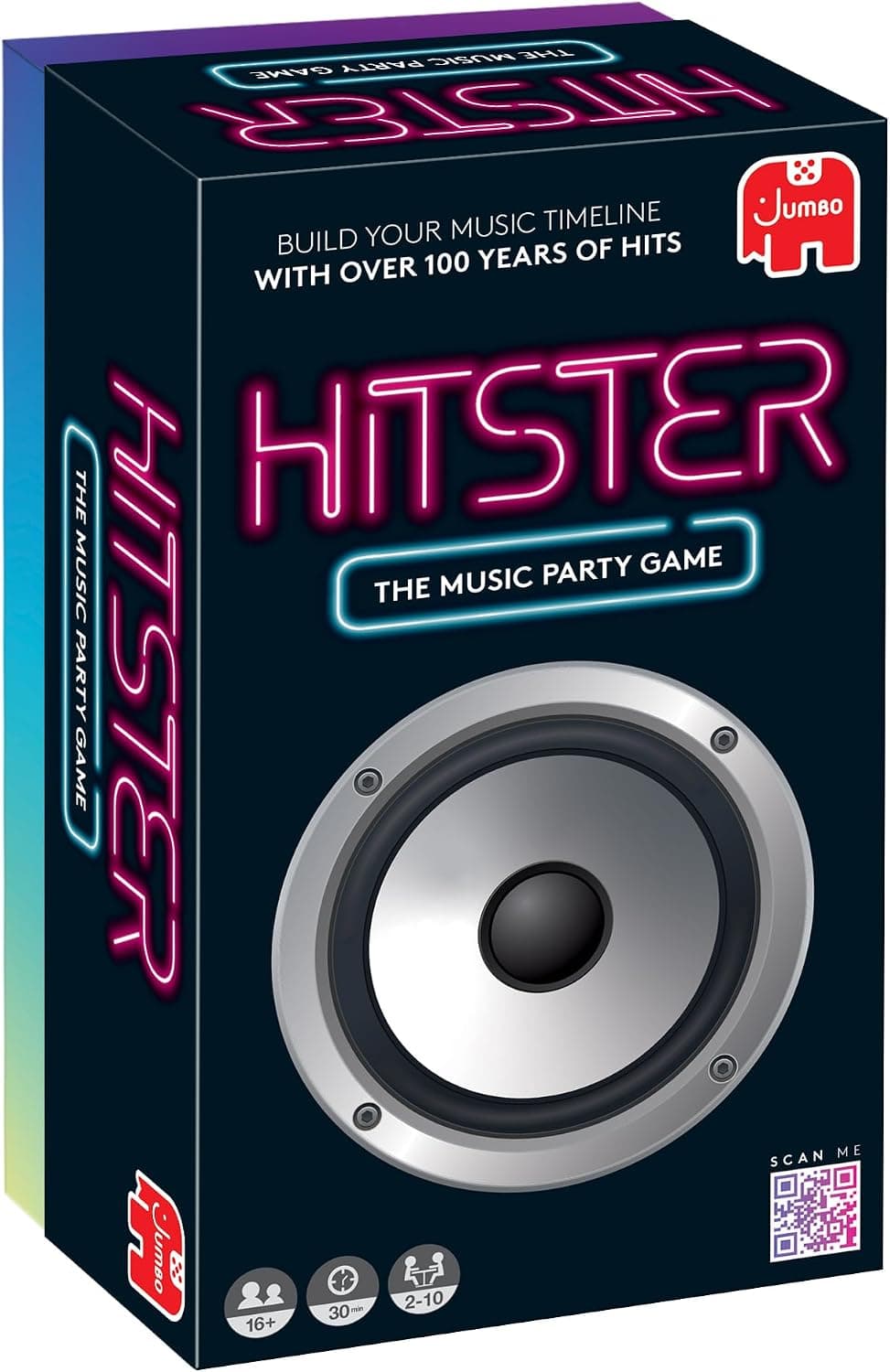
Hitster The Music Party Game exploded across social platforms precisely because it claims to eliminate that friction. Instead of grilling players on obscure track producers or B-side catalogue numbers, it turns a centuries-spanning music library into a chronological timeline puzzle powered by smartphone scanning. But does a game relying entirely on real-time streaming hold up during real UK living room gatherings, or does technical friction spoil the party atmosphere?
How Hitster Works: The Core Gameplay Loop
The standard box provides 225 music cards, a QR-scanning mechanism tied to Spotify, wipe-off score tracking assets, and quick-reference rule cards. The core concept is straightforward: players take turns scanning the QR code printed on the reverse of a card using the free companion app or camera. The app triggers a song snippet via Spotify without revealing the artist, title, or release year on screen.
The active player must decide where that track fits along their personal physical timeline of previously placed cards. You do not need to name the exact year to score points; you simply need to know whether Queen released “Bohemian Rhapsody” before or after ABBA dropped “Dancing Queen”, or if Dua Lipa came before or after The Weeknd. Correct placements stay in your timeline; incorrect placements are discarded. The first player or team to correctly assemble a string of 10 tracks chronologically wins the round.
For competitive groups who find basic placement too forgiving, the rulebook includes advanced variants. Players can risk placing tokens to guess the exact artist name, track title, and release year for bonus steals, preventing more knowledgeable music enthusiasts from feeling unchallenged.
Hardware, App Integration, and Technical Practicalities
Because Hitster The Music Party Game relies on an external streaming engine, understanding the digital setup before hosting is essential. The game does not require an expensive bespoke peripheral, but its reliance on mobile technology introduces specific environmental variables.
Spotify Account Requirements
The companion app integrates directly with Spotify. If the host has a Spotify Premium account, the app plays full tracks and snippets seamlessly in the background without interruptions. If you rely on a Spotify Free account, track handling behaves differently: the app routes through standard preview snippets or opens the track directly in the Spotify mobile client, which occasionally introduces advertising interruptions between scans. For the smoothest possible flow at a party, using a device logged into a Premium tier is strongly advisable.
Audio Output and Room Setup
Relying solely on smartphone internal speakers is an underwhelming experience in a noisy room. To get the communal singalong dynamic intended by the designers, the scanning phone should connect via Bluetooth to a dedicated living room soundbar or portable wireless speaker. Once connected to a proper speaker, the instant recognition of introductory riffs reliably gets entire rooms singing along before the active player even touches their timeline.
The Track Curation: 100 Years of UK Chart History
A music trivia game lives or dies on its playlist balance. If the track selection skews heavily towards 1960s rock, younger players drop out mentally within twenty minutes. If it focuses excessively on contemporary algorithmic pop, older relatives feel excluded.
The UK edition of Hitster strikes an uncommonly balanced middle ground. The track selection spans nearly a century of popular music, drawing heavily from the UK Official Singles Chart archives. You will encounter post-war big band standards, 1970s glam and disco, 1980s synth-pop, 1990s Britpop and R&B, 2000s indie, and modern 2020s streaming chart-toppers. Because the mechanics only demand relative placement rather than exact trivia recall, a 16-year-old who has never heard a 1950s rock-and-roll track can still deduce from the production style and audio fidelity that it predates an electronic pop track from 2015.
Hitster vs. Traditional Music Trivia Games
To determine if Hitster is the right investment for your game cupboard, it helps to compare it against established UK music quiz alternatives currently sold on the market.
| Game | Format & Style | Price Band | Player Count | Buy |
|---|---|---|---|---|
| Hitster The Music Party Game | App-assisted timeline puzzle / singalong | Mid-range (£20–£25) | 2–10+ Players | See it on Amazon |
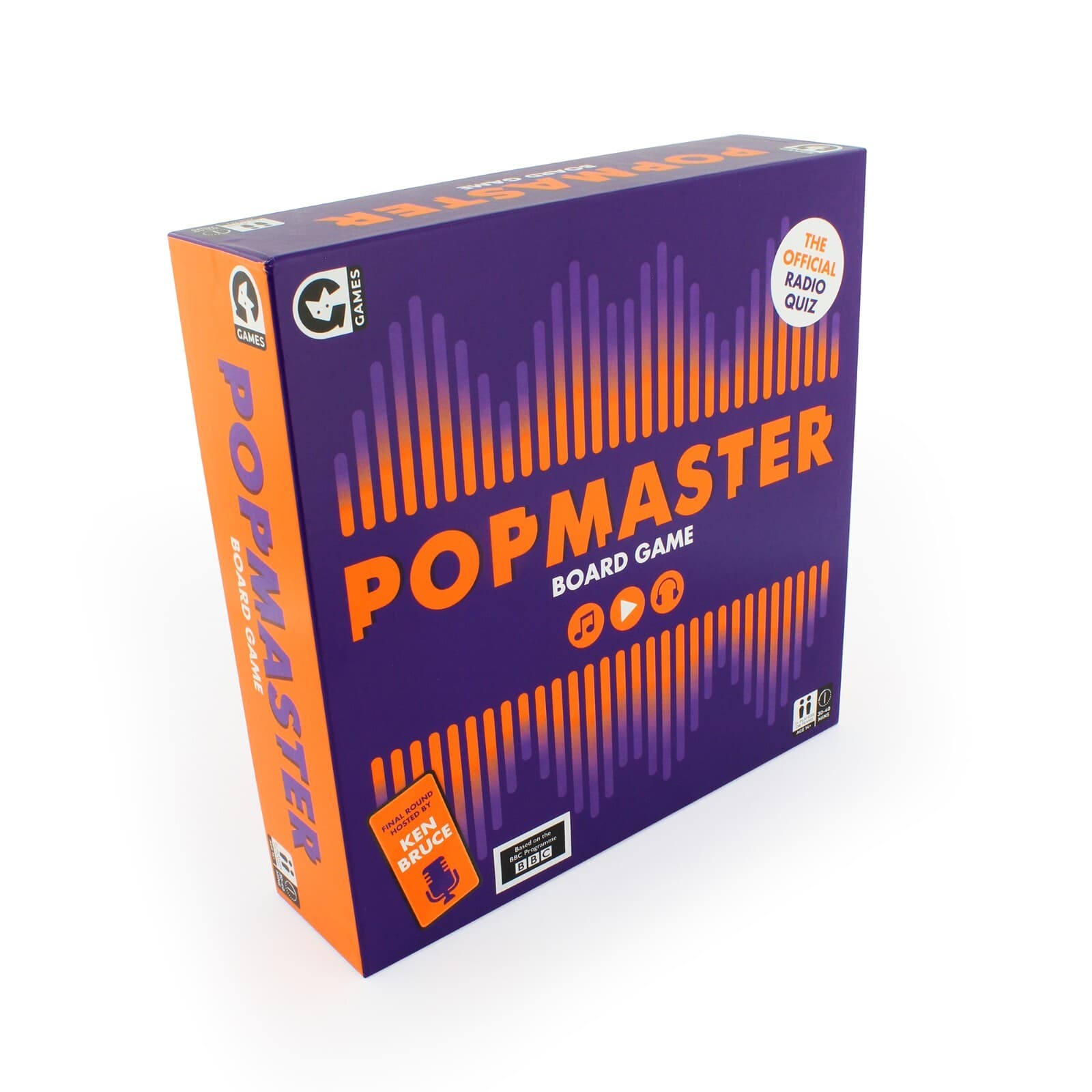
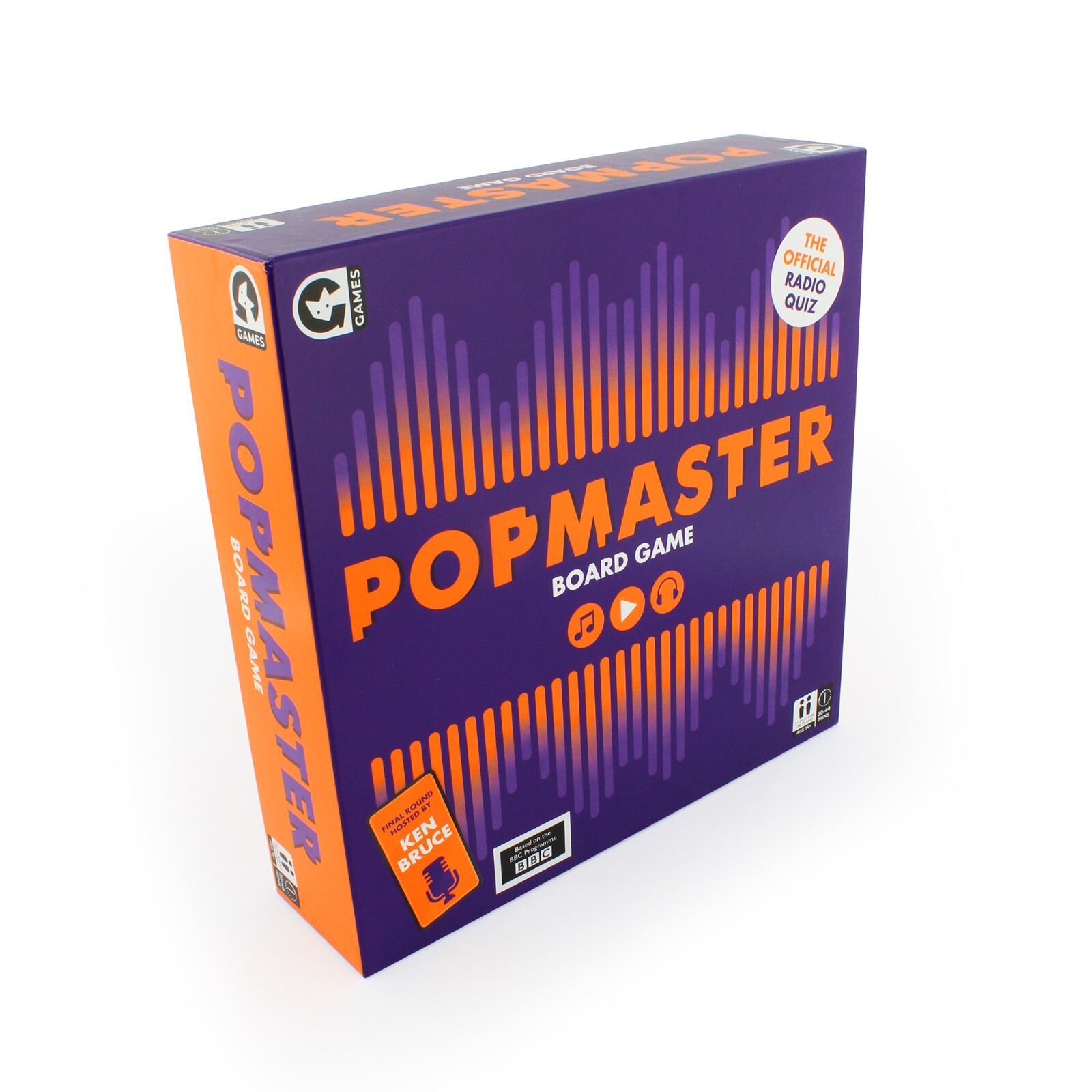
| Ginger Fox Popmaster The Music Quiz Game | Traditional radio-style trivia board game | Mid-range (£15–£22) | 2+ Players | See it on Amazon |
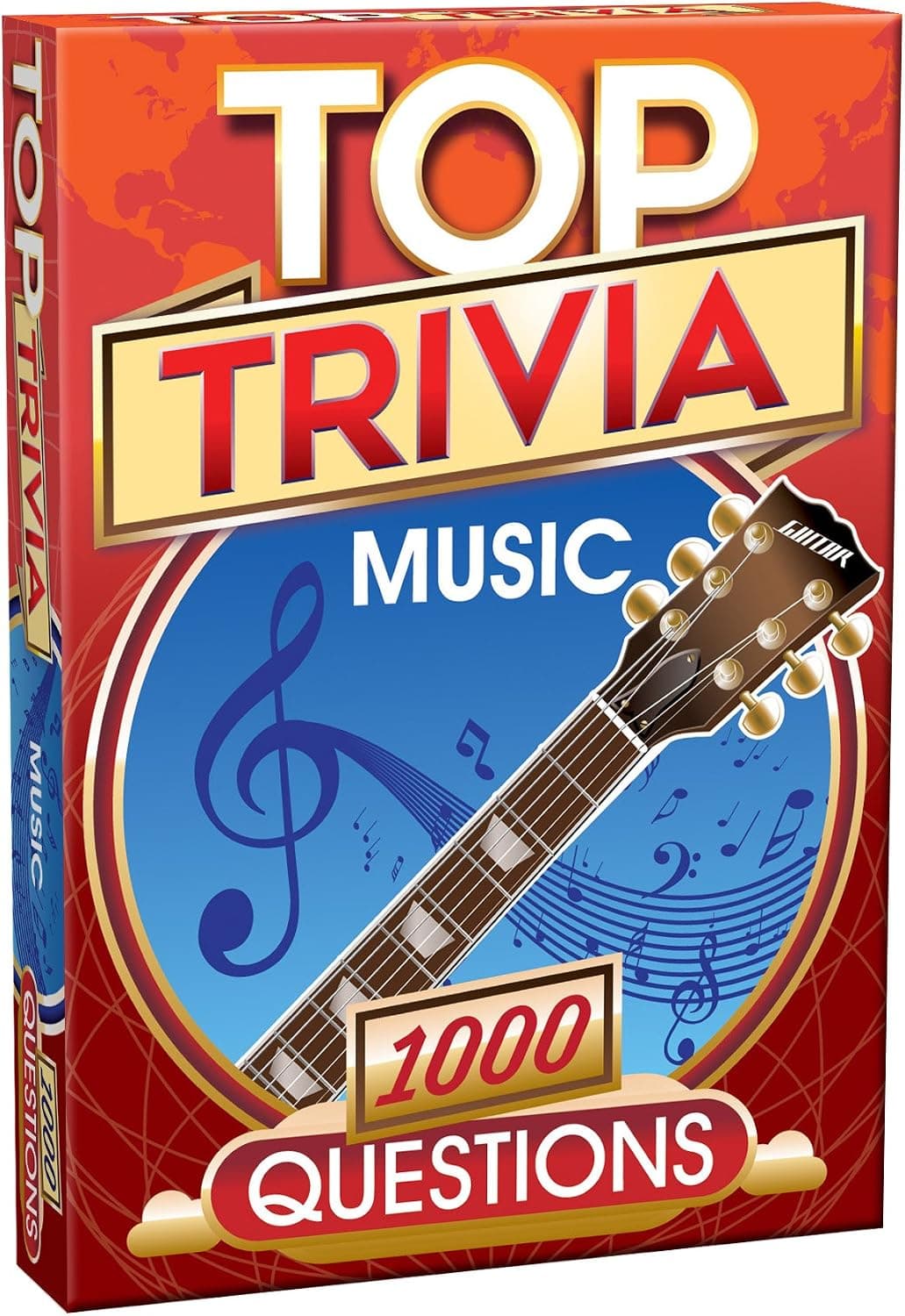
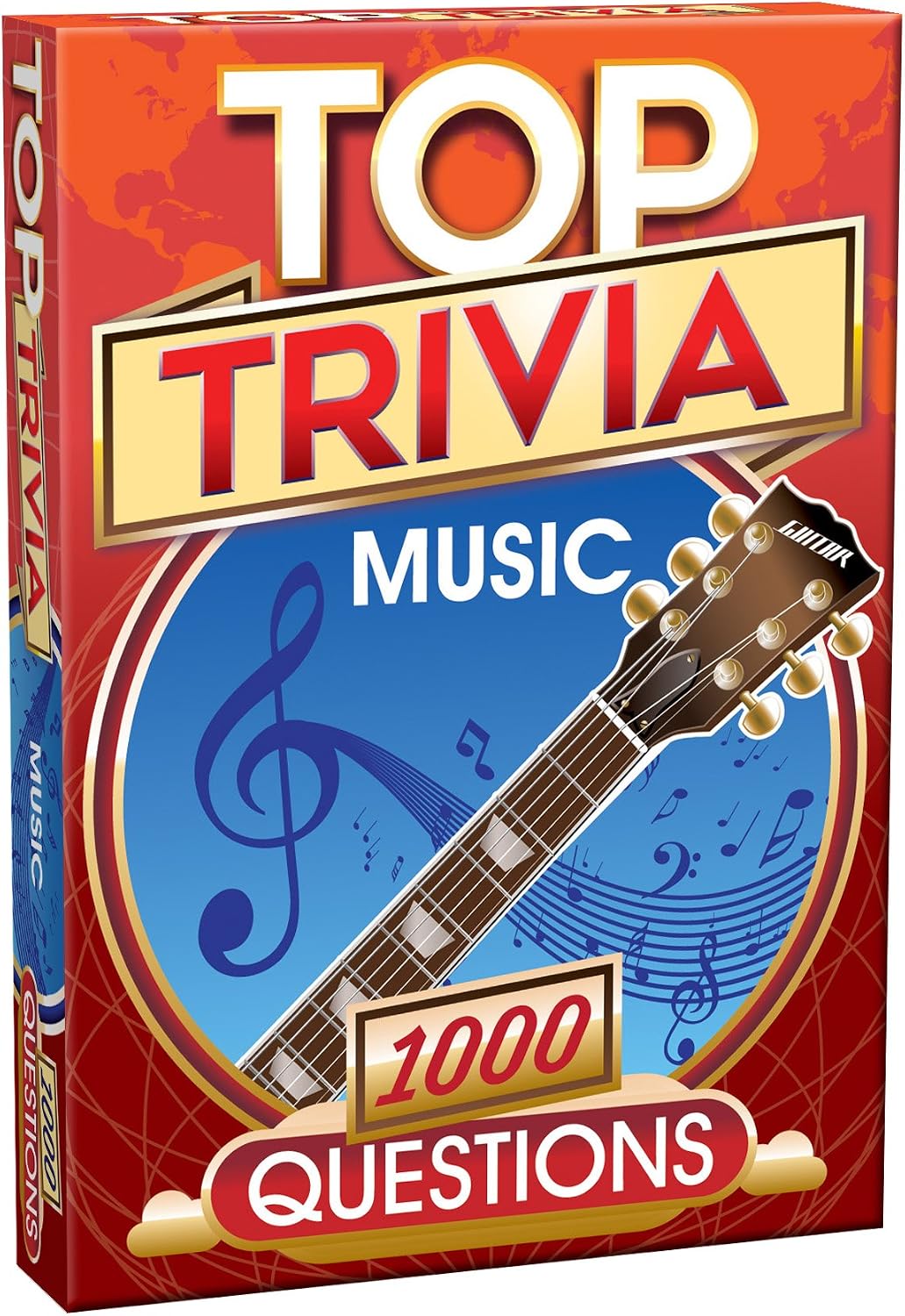
| Cheatwell Games Top Trivia Music Quiz | Compact card box of text-based Q&As | Budget (Under £10) | 2+ Players / Teams | See it on Amazon |
Hitster vs. Popmaster
The Ginger Fox Popmaster The Music Quiz Game is tailored for die-hard radio listeners and serious music buffs. Based on the legendary UK radio quiz hosted by Ken Bruce, it tests specific chart positions, band members, and exact release years from the 1950s onward, culminating in the tense “3-in-10” final. However, Popmaster creates an immediate barrier for casual listeners or younger family members who simply do not possess that encyclopaedic trivia recall. Hitster is substantially more social and inclusive because hearing the audio triggers memory and instinct, whereas Popmaster demands cold factual knowledge.
Hitster vs. Top Trivia Music
If you want a pocket-sized, tech-free option for camping or pub tables, Cheatwell Games Top Trivia Music Quiz provides 1,000 text questions on compact cards. It costs a fraction of app-driven board games and requires zero battery power or internet connectivity. However, without audio playback, it delivers a straightforward pub quiz experience rather than an animated living room party atmosphere.
Replay Value and Card Longevity
With 225 cards in the base box, a typical 4-to-6 player game uses roughly 30 to 45 cards per session. That means a host can comfortably run four to five complete game nights before cards begin repeating noticeably. Even when a card reappears in future sessions, knowing the exact track title does not automatically guarantee you will correctly judge its position against a completely different set of surrounding timeline cards.
For frequent hosts, the main limitation is eventual familiarity with the tracklist. However, expansion packs and alternative themed editions expand the card pool when the base set becomes overly familiar.
Who Should Buy Hitster (and Who Should Skip It)
Ideal For:
- Mixed-age family gatherings: Christmas afternoons, Boxing Day get-togethers, and family birthday dinners where ages span 14 to 75+.
- Casual hosts wanting zero rule explanation: You can explain the core timeline concept in 45 seconds without making guests read a rule sheet.
- Parties needing an icebreaker: The audio format acts as background entertainment and naturally sparks discussions about first concerts and teenage memories.
Not Ideal For:
- Strictly offline environments: If your gaming space has unreliable Wi-Fi or poor mobile signal, streaming track snippets will stutter and cause delays.
- Hardcore music trivia purists: Players wanting deep-cut trivia regarding producers, record labels, and chart peak positions will find the basic chronological guessing too simplistic unless using the advanced rules.
Alternative Music Party Games to Consider
If Hitster's reliance on smartphone scanning does not fit your hosting style, two real and currently available alternatives offer distinct advantages:
The Hardcore Chart Buff Choice: Ginger Fox Popmaster
For gatherings dominated by dedicated BBC Radio 2 listeners and classic chart collectors, the Ginger Fox Popmaster The Music Quiz Game remains the benchmark. It features real voice prompts from Ken Bruce and captures the tense “one year out” scoring penalties of the radio broadcast. It demands genuine chart memory rather than timeline deduction.
The Budget Travel Choice: Cheatwell Games Top Trivia Music Quiz
If you want pure trivia in a stocking-filler format that slips easily into a coat pocket, the Cheatwell Games Top Trivia Music Quiz packs 1,000 questions across multiple decades without needing apps, streaming accounts, or Wi-Fi connections.
Final Verdict on Hitster
Hitster The Music Party Game succeeds where dozens of hybrid digital-physical board games fail. By using the smartphone purely as an invisible DJ and keeping the tactile card placement on the table, it preserves genuine human interaction while providing immediate musical nostalgia. Provided you have a reliable internet connection and a Bluetooth speaker ready, it is one of the most dependable, low-stress crowd-pleasers you can add to your family game collection.