As an Amazon Associate I earn from qualifying purchases. This page contains affiliate links, and I may earn a commission at no extra cost to you.
Finding Party Games That Span Generations
Getting three generations around a table without someone drifting to their phone or glaring at a multi-page rulebook is an art form. The sweet spot for family gatherings is simple: games that take less than two minutes to explain, accommodate six to eight players comfortably, and avoid heavy cultural trivia that leaves either the twelve-year-olds or the grandparents sitting in silence.
Word deduction games remain the most reliable choice for this challenge. They rely on vocabulary, lateral thinking, and social observation rather than twitch reflexes or obscure knowledge. However, the exact flavour of deduction matters immensely. Some titles thrive on high-pressure tactical clues, while others generate chaotic laughter through sheer absurdity. Based on manufacturer specifications, player round-table dynamics, and published rule complexity, we have analysed six premier party deduction games to help you pick the right match for your next gathering.
Comparison: Group Deduction Games at a Glance
| Game | Player Count | Age Rating | Play Time | Best Strengths | Buy |
|---|---|---|---|---|---|
| Czech Games Edition Codenames | 2–8 players | 10+ | 15–30 mins | Superb team dynamic; deep vocabulary links | See it on Amazon |
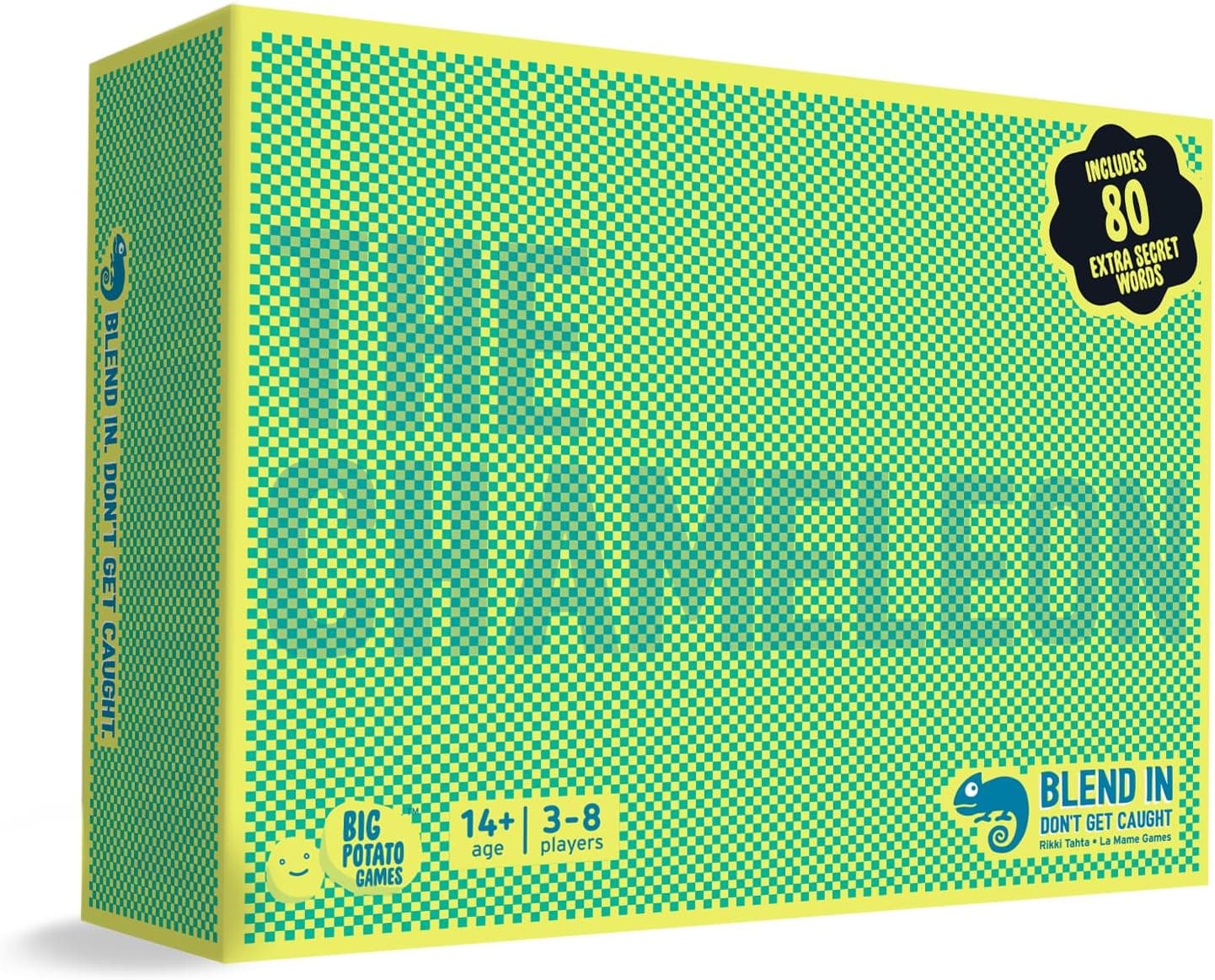
| Big Potato The Chameleon | 3–8 players | 14+ | 15 mins | Fast bluffing; zero reading required per round | See it on Amazon |
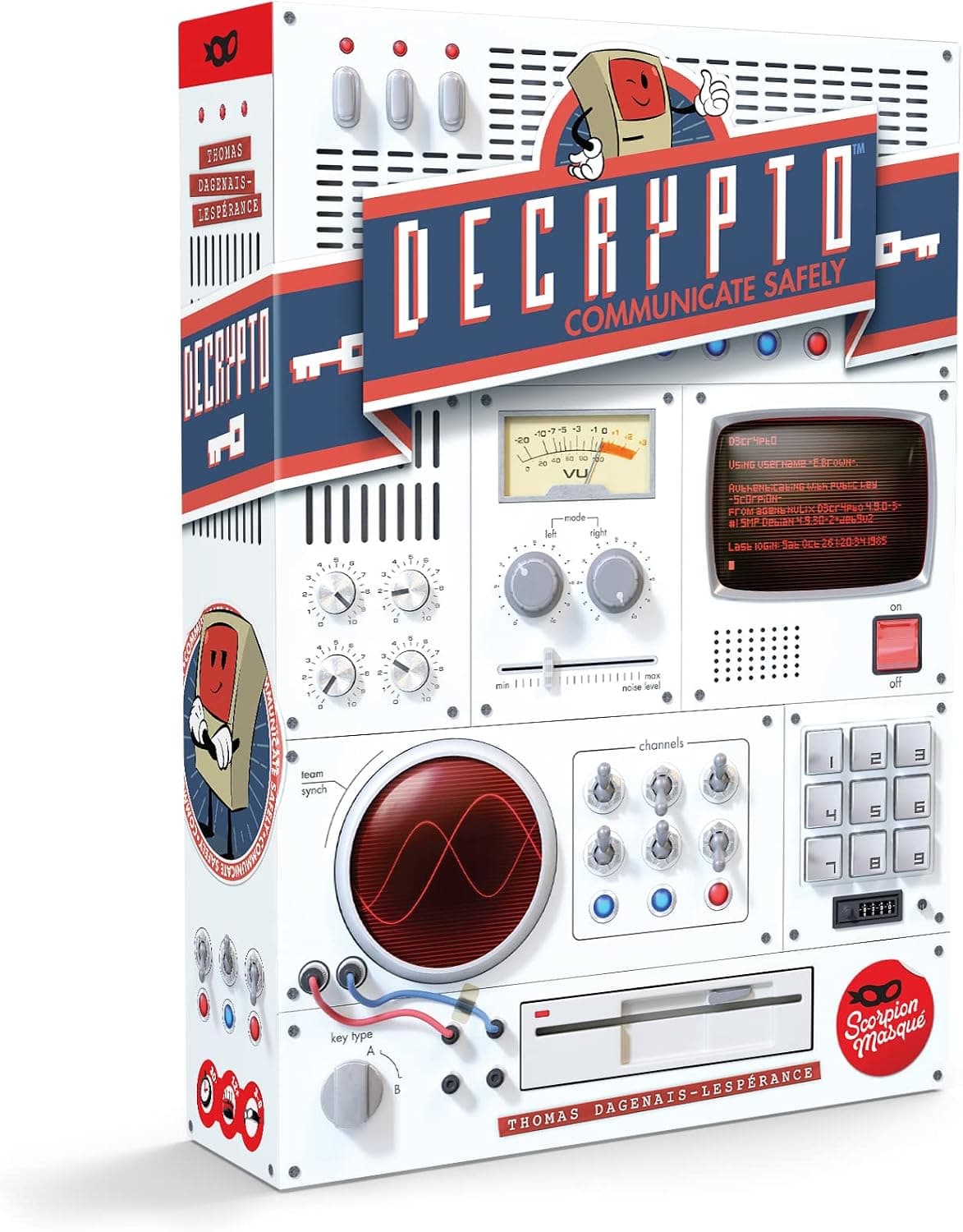
| Le Scorpion Masqué Decrypto | 3–8 players | 12+ | 30+ mins | Deep codebreaking; zero downtime for teams | See it on Amazon |
| Asmodee Concept | 4–12 players | 10+ | 40 mins | Visual communication; no reading needed | See it on Amazon |
| Exploding Kittens Poetry for Neanderthals | 2+ players | 7+ | 15–20 mins | High-energy laughs; physical inflatable prop | See it on Amazon |
| Libellud Dixit | 3–6 players | 8+ | 30 mins | Dreamy art; gentle, low-pressure storytelling | See it on Amazon |
The Top 6 Word & Social Deduction Games Analyzed
1. Czech Games Edition Codenames
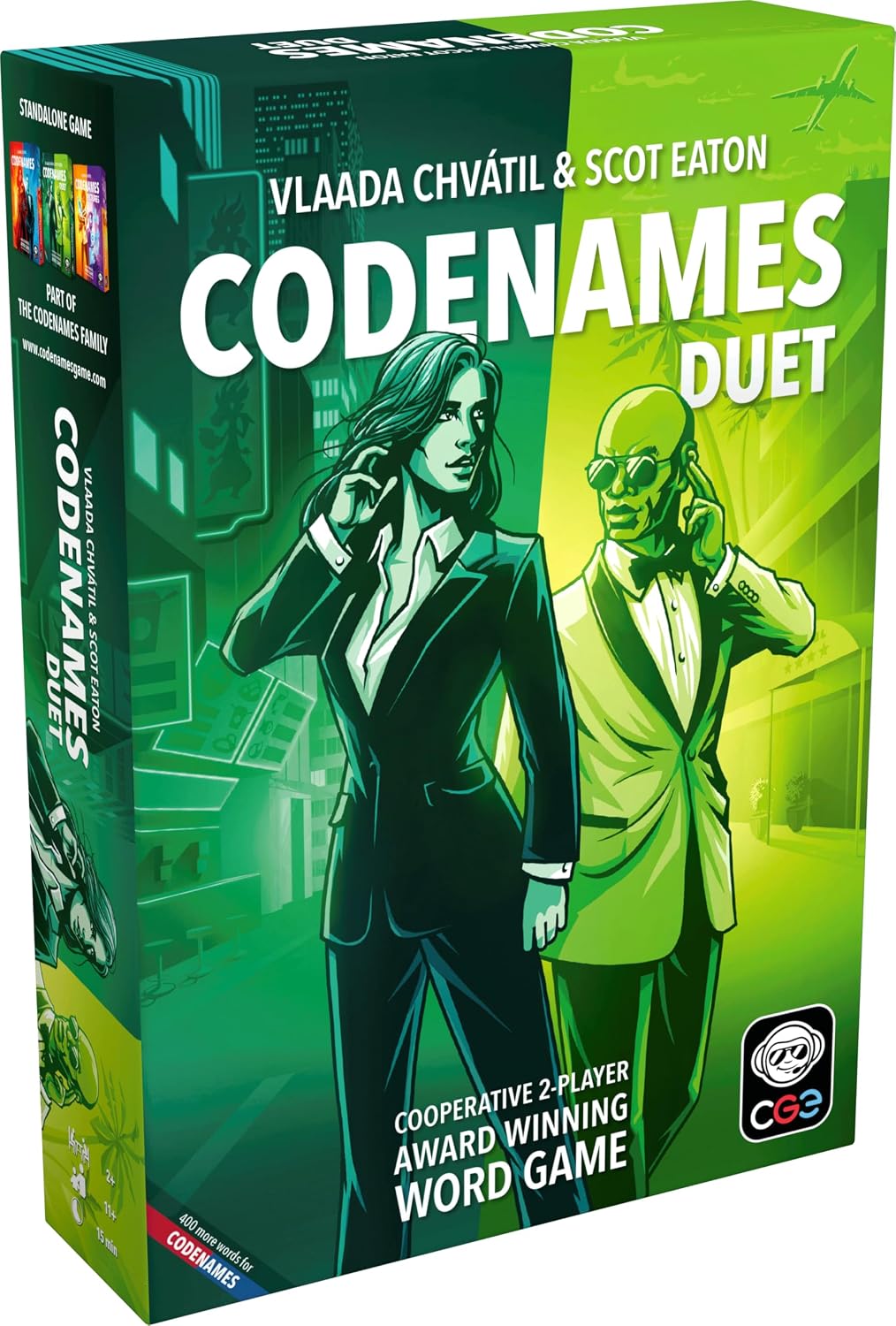
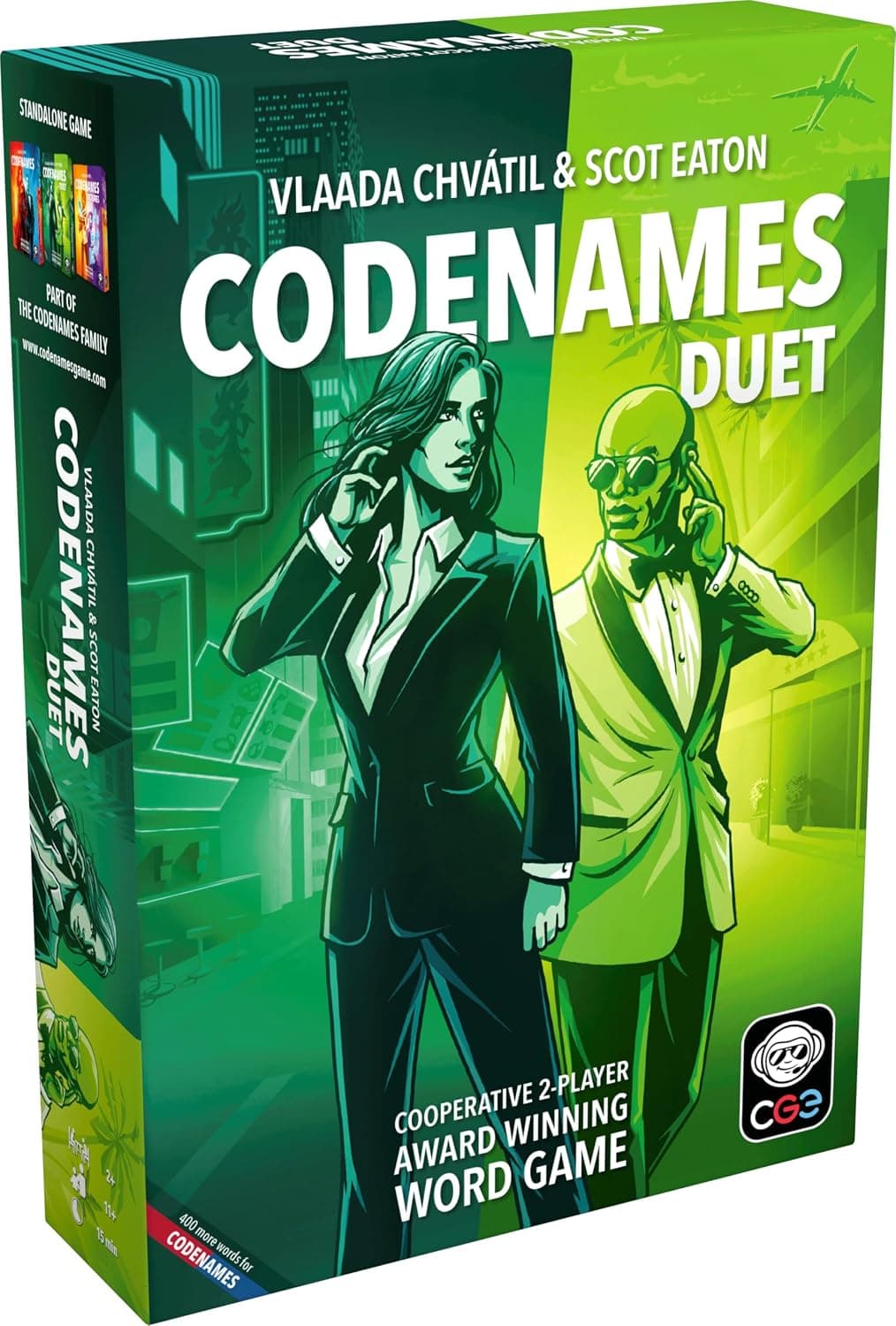
Since its release, Czech Games Edition Codenames has become the gold standard for split-team word association. Two rival spymasters give one-word clues linked to a number, attempting to direct their respective operatives towards specific cards on a 5x5 grid of twenty-five words without accidentally touching the lethal assassin card.
The brilliance of this design is its accessibility. Operatives sit in an active discussion loop, debating why "Water 3" might link "Stream", "Cold", and "Penguin". It accommodates large teams effortlessly because anyone can chime in with an interpretation. The major caveat comes down to the Spymaster role: giving clues can trigger severe analysis paralysis. If an introverted player or someone unfamiliar with wordplay is forced into the spymaster seat, the game can stall for several minutes while they agonise over connections. When played briskly with willing spymasters, it delivers unmatched satisfaction for £15 to £20.
2. Big Potato The Chameleon
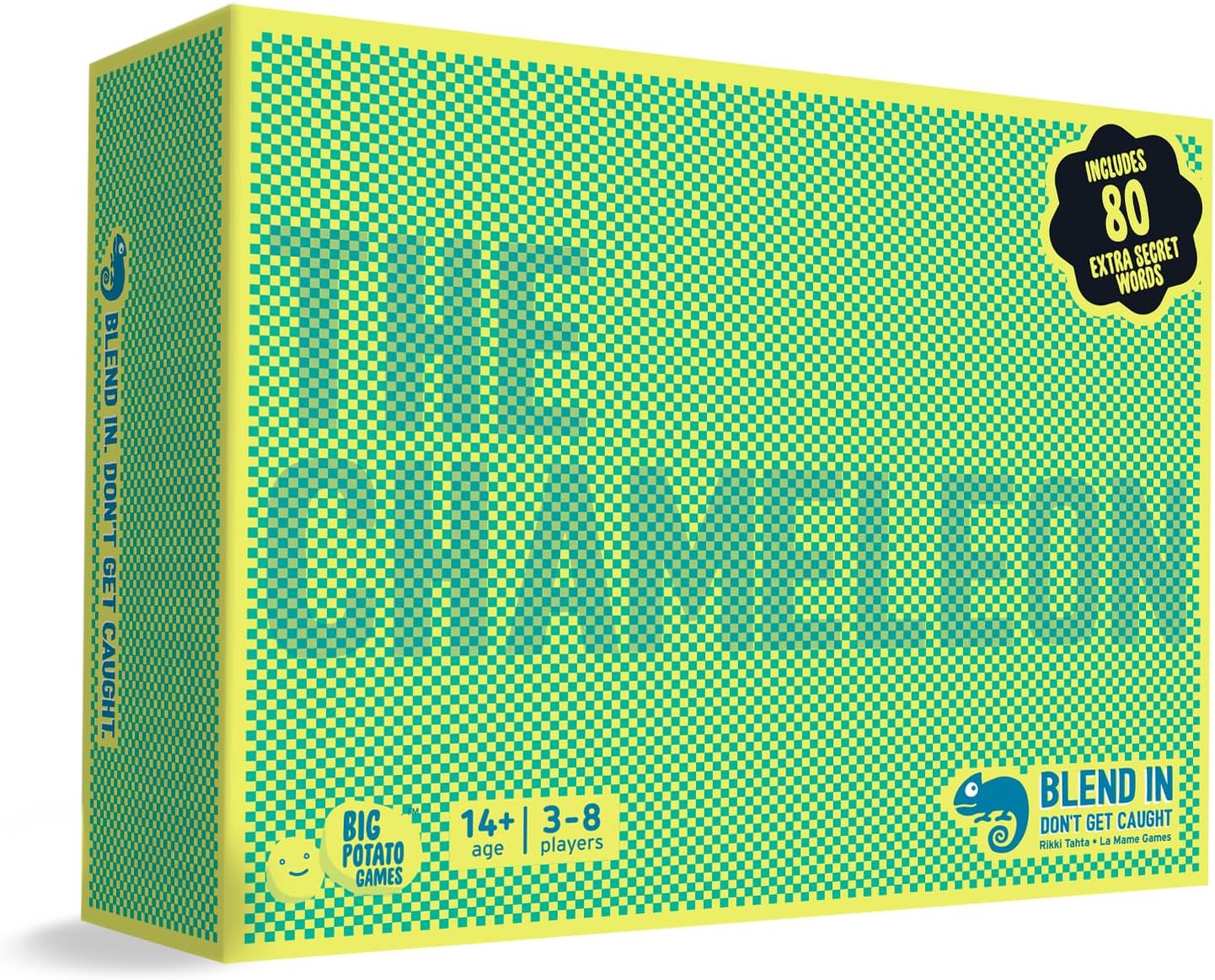
For groups that prefer social deduction and lying over linguistic gymnastics, Big Potato The Chameleon offers immediate engagement. Everyone around the table knows the secret topic word except for one player—the Chameleon. Players take turns delivering a single one-word clue that proves they know the topic without giving it away entirely. Afterwards, the group votes on who they believe is bluffing.
Teach time here is virtually instantaneous: roughly sixty seconds of explanation. Because each turn is just one word, rounds wrap up in ten to fifteen minutes, preventing eliminated players from waiting around. It scales exceptionally well up to eight players and creates tense, hilarious finger-pointing moments. The only friction point is social anxiety; players who hate lying straight-faced on the spot might feel put on the spot if selected as the Chameleon early on.
3. Le Scorpion Masqué Decrypto
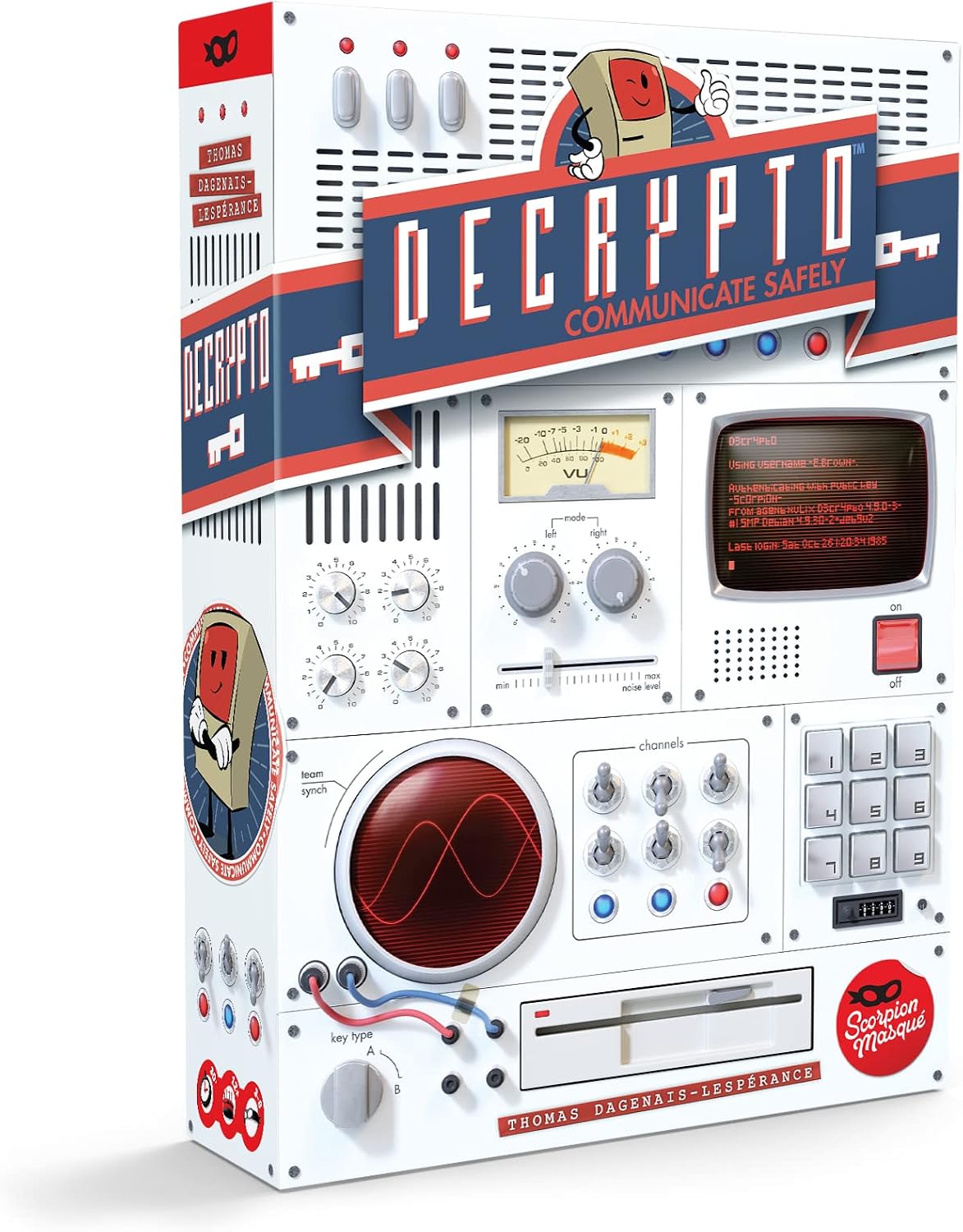
If your gathering consists of teenagers and adults who find standard word games slightly too basic, Le Scorpion Masqué Decrypto is the ultimate upgrade. Two teams compete across secret screens, attempting to transmit numeric three-digit codes to their teammates using associational clues while simultaneously intercepting and decoding the opposing team's historical clues.
Unlike other deduction games, Decrypto eliminates downtime completely. While Team A is formulating their clue, Team B is actively cross-referencing their notes on Team A's previous clues to crack their four permanent base keywords. It feels like real espionage. The downside is rule friction: explaining the difference between the permanent keywords and the round codes takes about five to ten minutes, making it less ideal for tired post-dinner settings with very young children or players with short attention spans.
4. Asmodee Concept
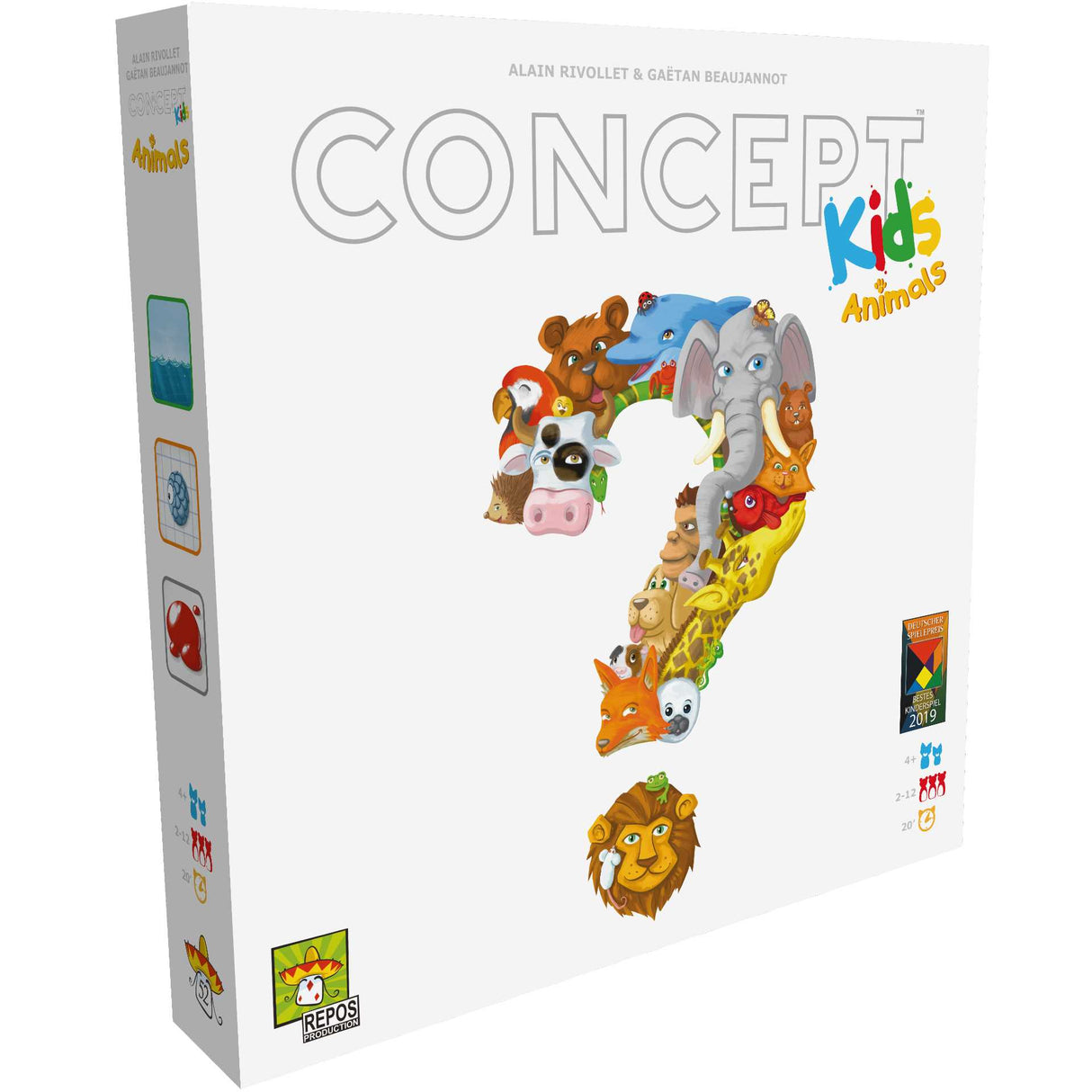
Removing spoken clues entirely, Asmodee Concept tasks players with conveying words, idioms, and famous figures purely by placing coloured plastic markers on a board covered in universal icons and symbols (such as colours, shapes, professions, and emotions).
This design makes it brilliant for mixed generations where vocabulary levels vary, as well as multi-lingual gatherings. Grandparents and ten-year-olds can team up smoothly because visual lateral thinking replaces spelling or obscure phraseology. It also supports massive groups up to twelve players without feeling bogged down. However, the official scoring system is notoriously weak; most groups naturally abandon point tokens entirely and play it purely as a cooperative or casual guessing activity.
5. Exploding Kittens Poetry for Neanderthals
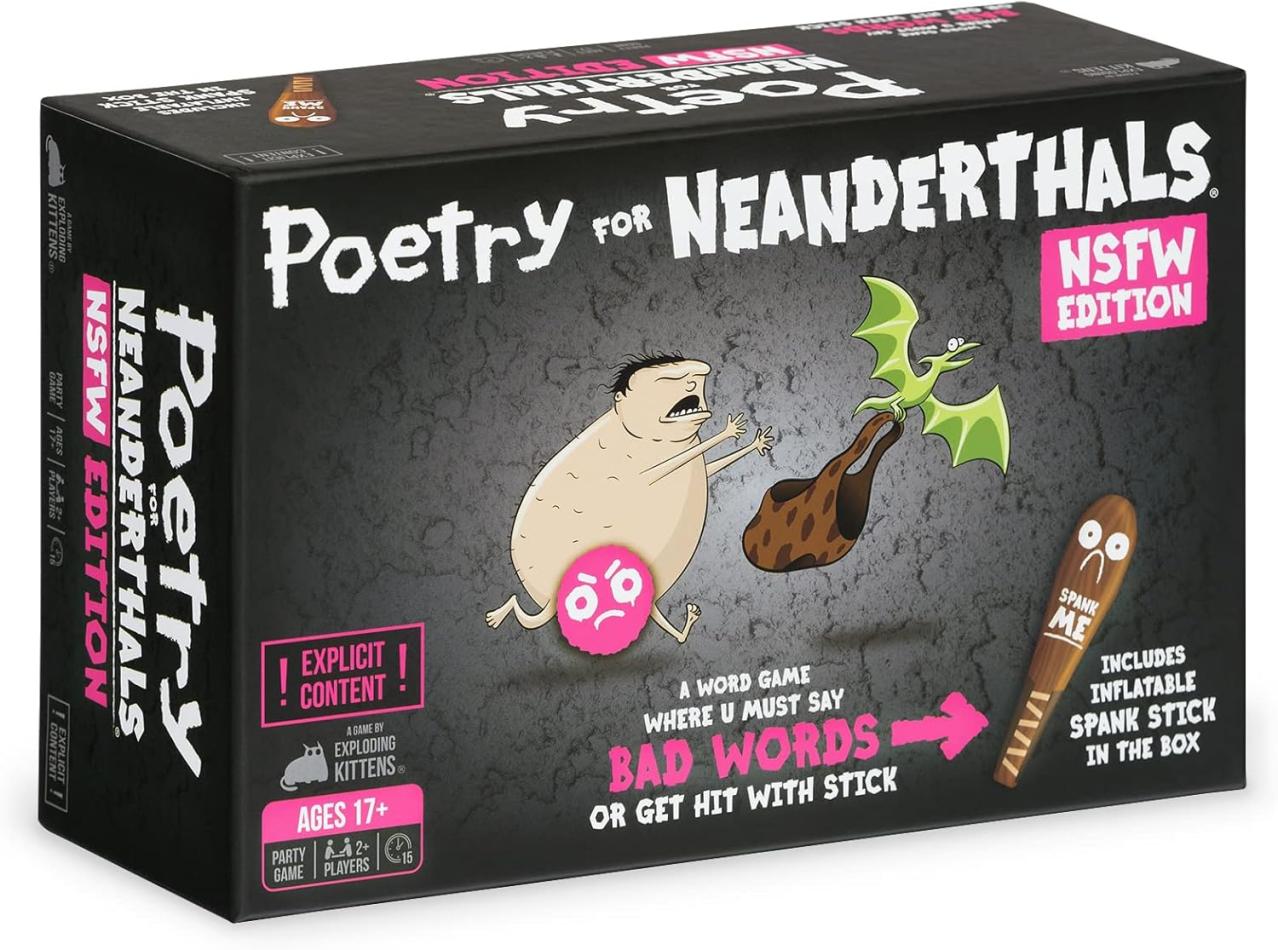
Not every group wants quiet deduction. Exploding Kittens Poetry for Neanderthals forces players to explain complex concepts (like "aeroplane" or "microwave") using only single-syllable words. If you accidentally use a two-syllable word, the opposing team's designated monitor gently bops you over the head with an included two-foot inflatable "NO!" stick.
This is pure, high-volume energy that bridges the gap between younger kids (from age 7 and up) and adults. It removes the intellectual intimidation of traditional vocabulary games by deliberately making everyone sound foolish. The drawback is its physical nature and noise level: it requires active shouting and physical batting, which might not suit quieter living rooms or players looking for strategic depth.
6. Libellud Dixit
For groups seeking an artistic, lower-stress alternative, Libellud Dixit uses eighty-four oversized cards illustrated with surreal, dreamlike paintings. The active storyteller gives a cryptic phrase, song lyric, or sound effect matching one of their cards. Other players secretly submit a card from their own hand that matches the theme, and everyone guesses which one belongs to the original storyteller.
Dixit rewards subtle nuance: if everyone or nobody guesses your card, you score zero points. You need to provide a clue that resonates with just one or two people. It completely eliminates confrontational bluffing and aggressive timers, making it beloved by younger children and quieter family members. Its cap at six players in the standard base edition is its main constraint for larger holiday gatherings.
Alternatives to Consider
If you want a fast, physical micro-game rather than a sit-down board, look into the bundle companion from Exploding Kittens, Happy Salmon. It requires zero deduction, plays in two minutes, and gets players out of their chairs frantically matching actions.
For those who love the cooperative nature of visual clues but want a tighter thematic mystery, Mysterium offers an immersive cooperative experience where one player acts as a ghost communicating through illustrated vision cards.
Buying Guide: How to Match the Game to Your Group
- Table Size & Player Count: If your group consistently exceeds six players, avoid titles capped at six like Libellud Dixit without expansions. Opt for Czech Games Edition Codenames or Asmodee Concept which stretch to 8–12 participants.
- Tolerance for Rules: If you have less than two minutes before guests lose patience, choose Big Potato The Chameleon or Exploding Kittens Poetry for Neanderthals.
- Strategic Depth vs Slapstick: Pick Le Scorpion Masqué Decrypto for an evening of genuine brain-burning codebreaking, or Poetry for Neanderthals if the primary goal is loud, ridiculous family laughter.
Verdict
For the widest cross-generational appeal, Czech Games Edition Codenames remains the top overall recommendation. It strikes the perfect balance of accessible team discussion, low cost, and satisfying lateral thinking. If your gathering prioritises rapid bluffing with zero rules friction, pick up Big Potato The Chameleon as an unbeatable alternative.