As an Amazon Associate I earn from qualifying purchases. This page contains affiliate links, and I may earn a commission at no extra cost to you.
Getting Teens to the Table: The Screen-Free Challenge
Buying games for teenagers and older children is notoriously tricky. Pick something too simple, and they will roll their eyes and reach for their phones within five minutes. Pick something weighed down with a forty-page rulebook, and nobody gets past the setup phase before enthusiasm evaporates. The sweet spot lies in games featuring immediate hooks, tactile components, or high-stakes social deduction that demand total attention.
Whether you have a budget of under £15 for an ingenious stocking filler or are willing to spend up to £45 on a feature-packed centerpiece board game, this guide evaluates four standout tabletop titles. We break down the mechanics, setup times, build quality, and true replay value to help you find the right fit for your household.
Top Screen-Free Games Compared
| Game | Player Count & Time | Best Mechanism | Price Band | Buy |
|---|---|---|---|---|
| Schmidt Spiele The Quacks of Quedlinburg | 2–4 Players | 45 min | Push-Your-Luck Bag Building | Mid-range (£35–£45) | See it on Amazon |
| Z-Man Games Pandemic | 2–4 Players | 45 min | Pure Cooperative Strategy | Mid-range (£30–£40) | See it on Amazon |
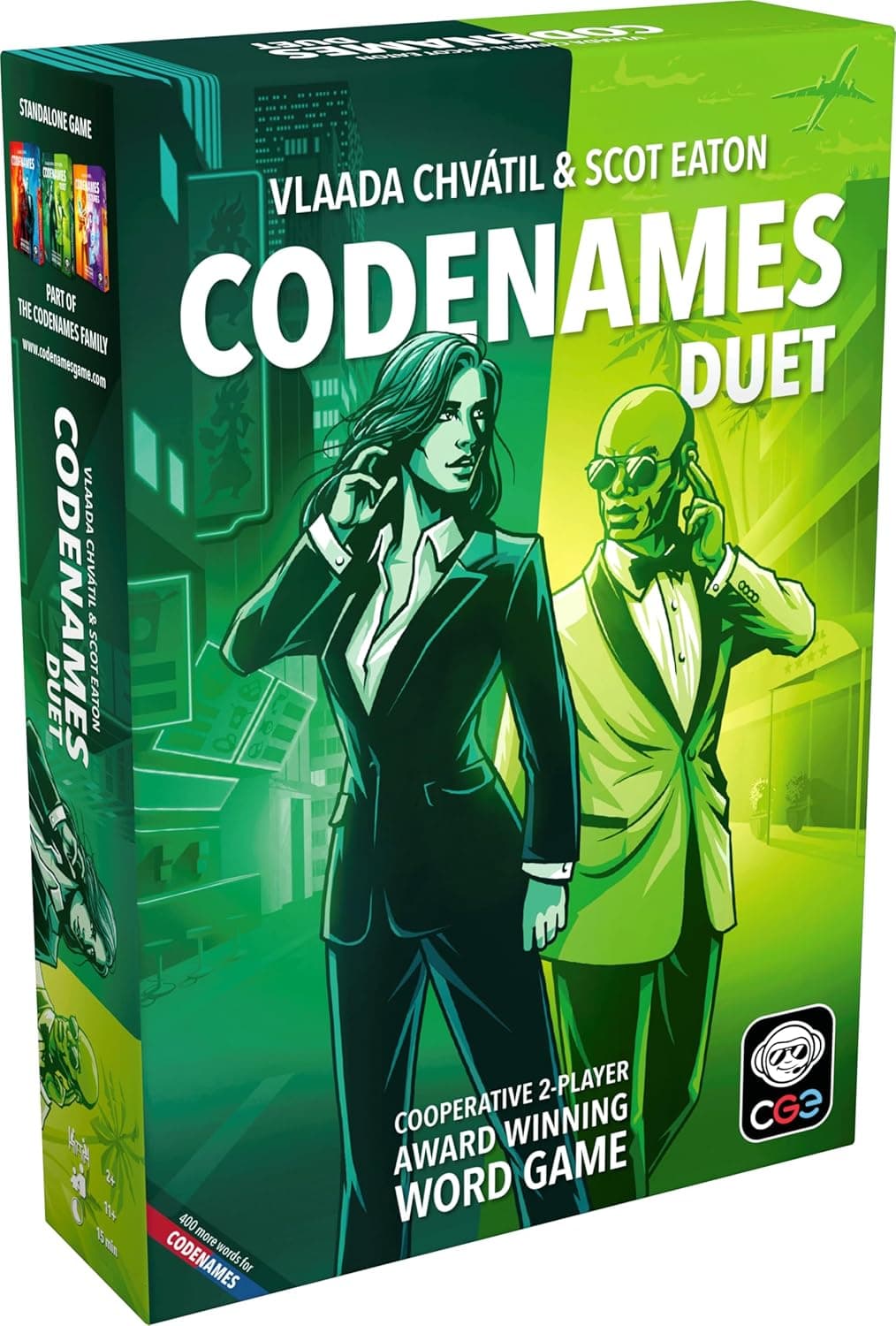
| Czech Games Edition Codenames | 2–8 Players | 15–30 min | Deduction & Word Association | Budget (£12–£20) | See it on Amazon |
| The Mind Card Game | 2–4 Players | 20 min | Silent Cooperative Timing | Budget (Under £12) | See it on Amazon |
Detailed Product Breakdowns
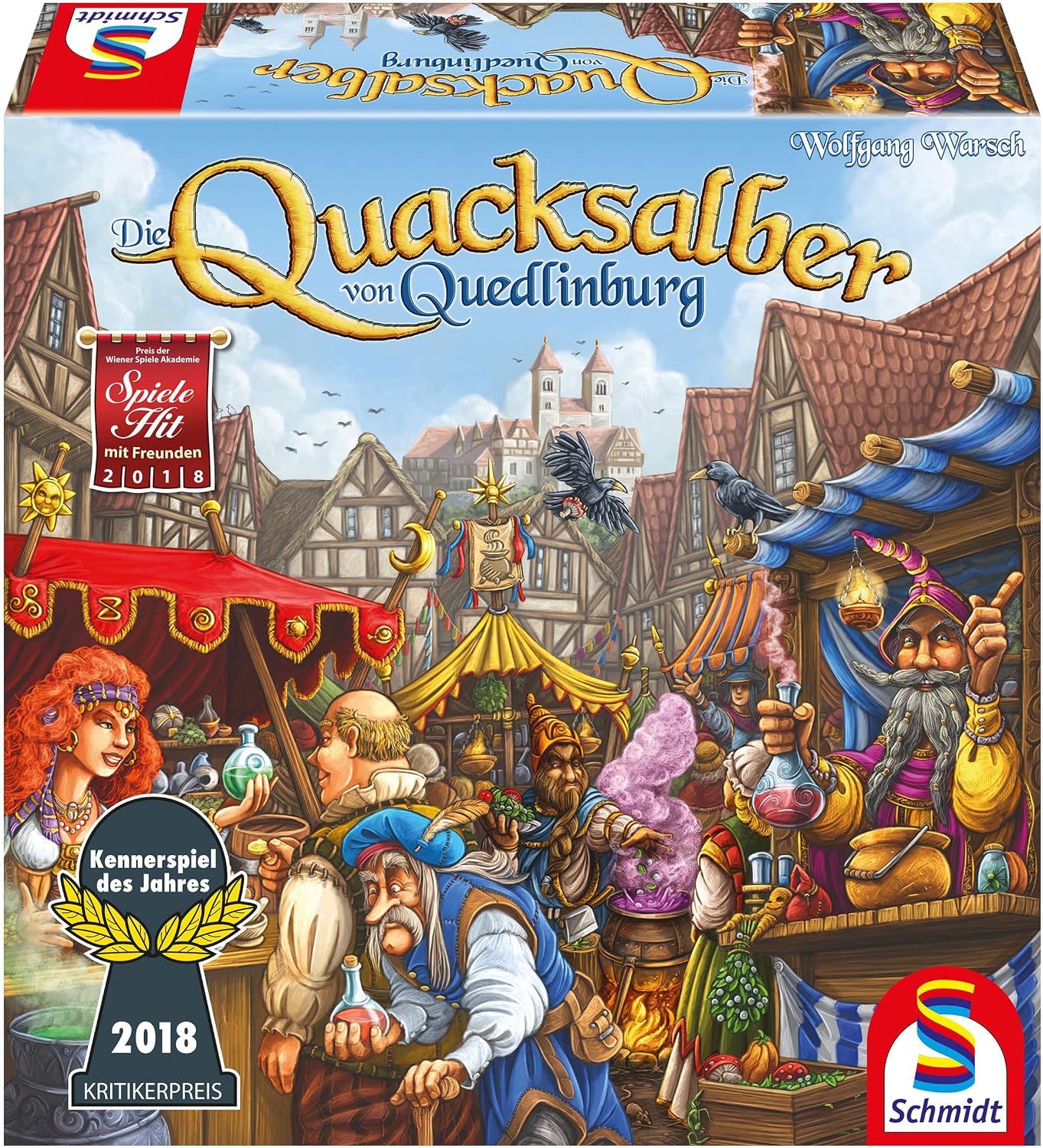
1. Schmidt Spiele The Quacks of Quedlinburg — Top Pick for Mixed Ages
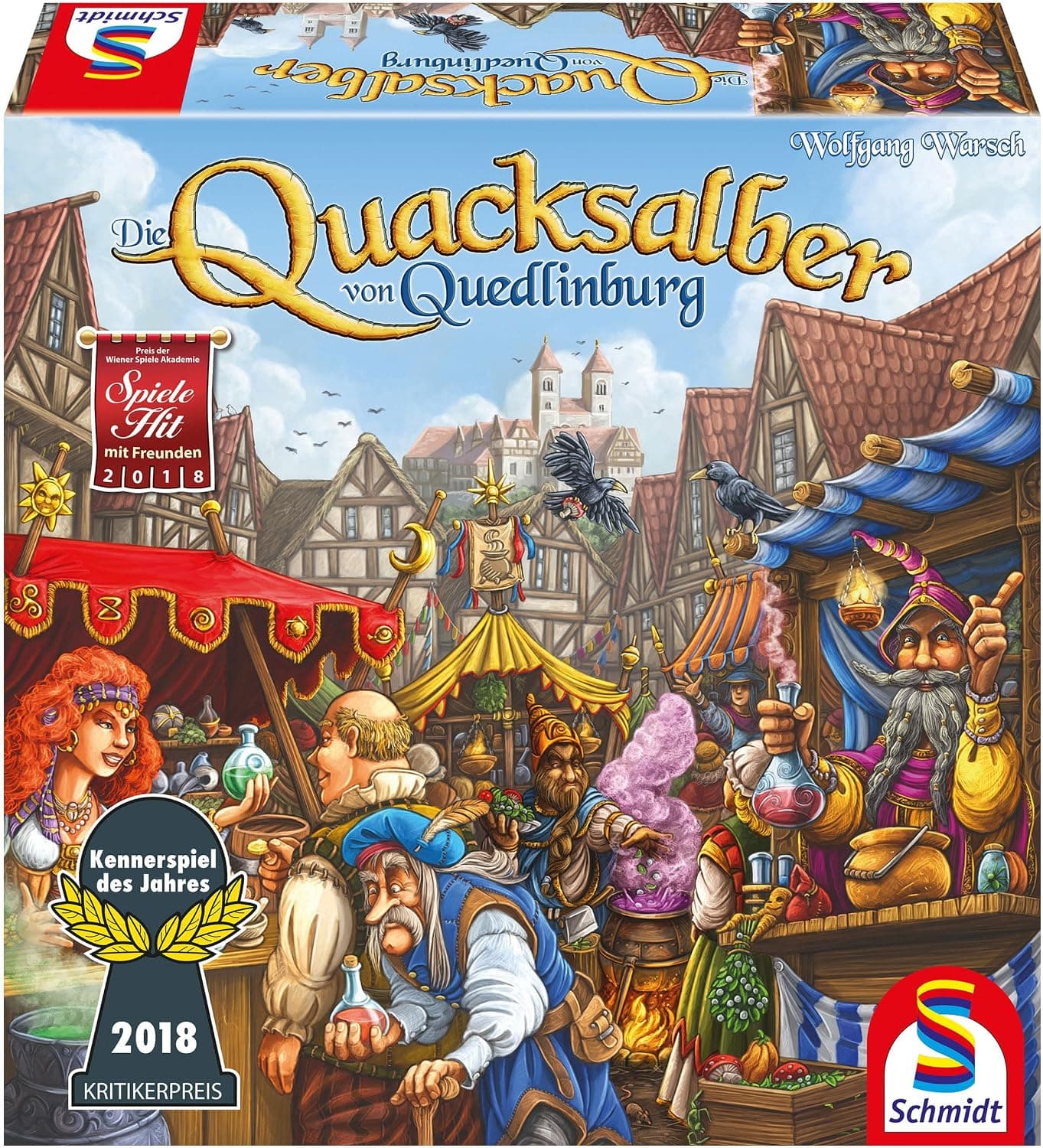
If there is one modern classic that reliably hooks cynical older kids, competitive parents, and casual players alike, it is Schmidt Spiele The Quacks of Quedlinburg. Designed by Wolfgang Warsch, this title turns every player into a charlatan doctor brewing potions by pulling ingredient chips blindly from a velvet pouch.
The central hook is sheer push-your-luck tension. Every white cherry bomb token drawn advances your score track, but drawing a combined value greater than seven makes your pot explode. You do not get eliminated—a crucial design strength for family play—but your reward for that round is halved, forcing players to weigh risk versus reward on every single draw. Between rounds, players spend currency earned from their potions to buy higher-tier ingredient chips with unique special powers, progressively customising their ingredient bags.
Build Quality & Components: The game includes four sturdy cardboard cauldrons, four velvet draw bags, dozens of punch-board tokens, wooden droplet markers, and multiple ingredient recipe books. While the cardboard tokens hold up well initially, frequent shuffling in bags means heavy users often buy cheap plastic coin capsules to protect them over years of play.
Pros:
- Simultaneous play ensures almost zero downtime between turns.
- Clever rubber-banding mechanic (the rat tail system) keeps trailing players in contention.
- Multiple double-sided recipe books change the rules of ingredients, offering immense replay value.
Cons:
- Cardboard ingredient tokens suffer edge wear over dozens of plays.
- Luck of the draw can occasionally punish a solid strategy.
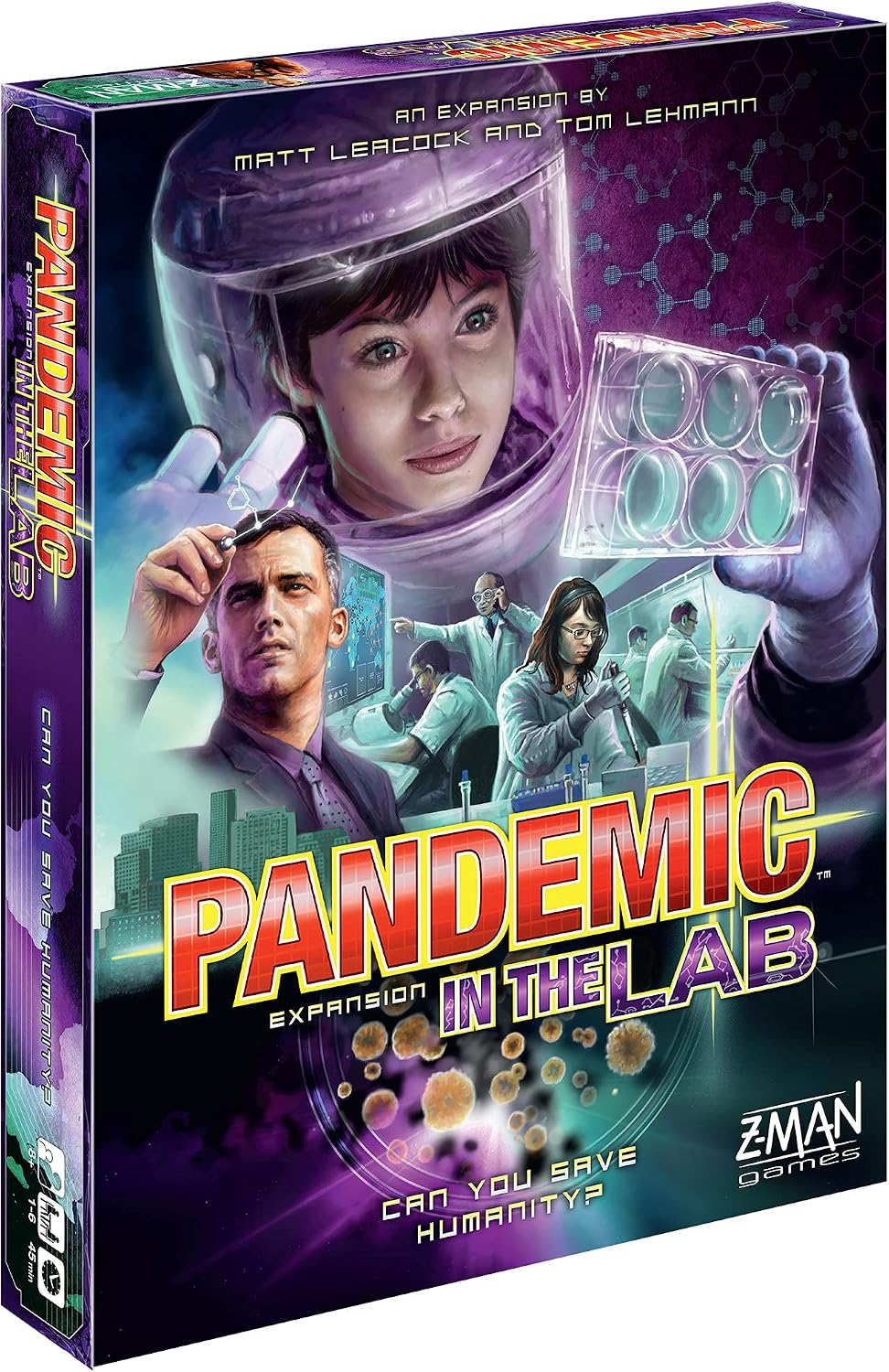
2. Z-Man Games Pandemic — Best Pure Strategy Cooperative
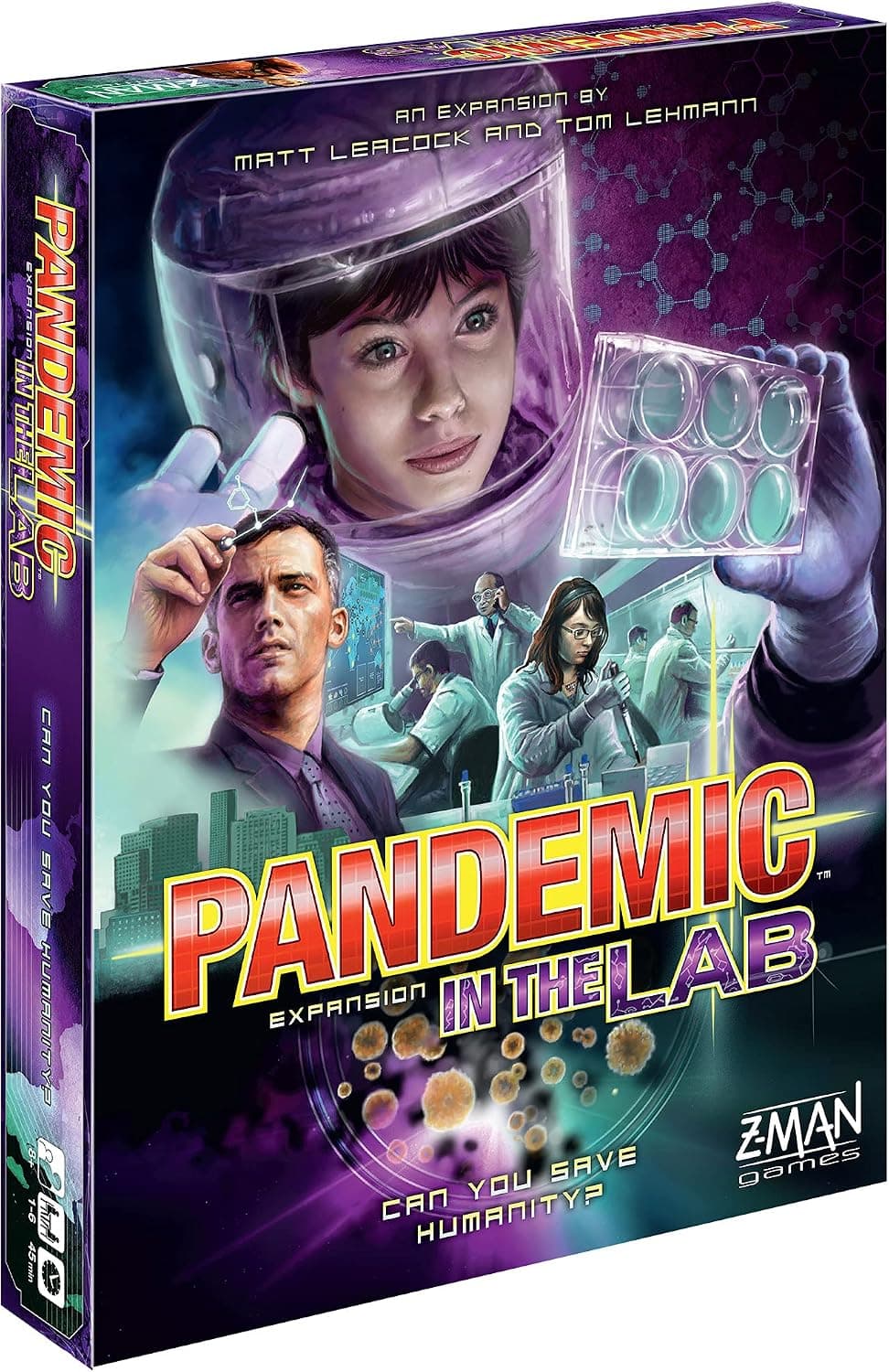
When competitive rivalries cause friction at the dinner table, shifting to a full cooperative experience is the smartest move. Z-Man Games Pandemic remains the gold standard of high-stakes, shared-puzzle tabletop design. Designed for 2 to 4 players with an average playtime of 45 minutes, it tasks the group with stopping four deadly diseases from overrunning the globe.
Each participant assumes an asymmetric specialist role—such as the Medic, Scientist, or Dispatcher—with unique abilities that must be combined synergistically. Every turn presents painful choices: do you treat immediate infections in hot spots like London and Cairo, build research stations, or trade city cards to discover a cure before the player deck runs dry?
Build Quality & Table Presence: The production features a large, clear world map board, durable plastic infection cubes in four distinct colours, custom role cards, and infection tokens. The visual clarity makes tracking outbreaks simple, even from across a wide dining table.
Pros:
- Encourages deep communication, teamwork, and collective problem-solving.
- Scalable difficulty (adjusting the number of Epidemic cards) lets you tailor the challenge.
- Rich expansion ecosystem available if your group masters the base set.
Cons:
- Susceptible to 'quarterbacking' if one dominant player dictates everyone else's moves.
- Can feel brutally punishing on higher difficulty settings.
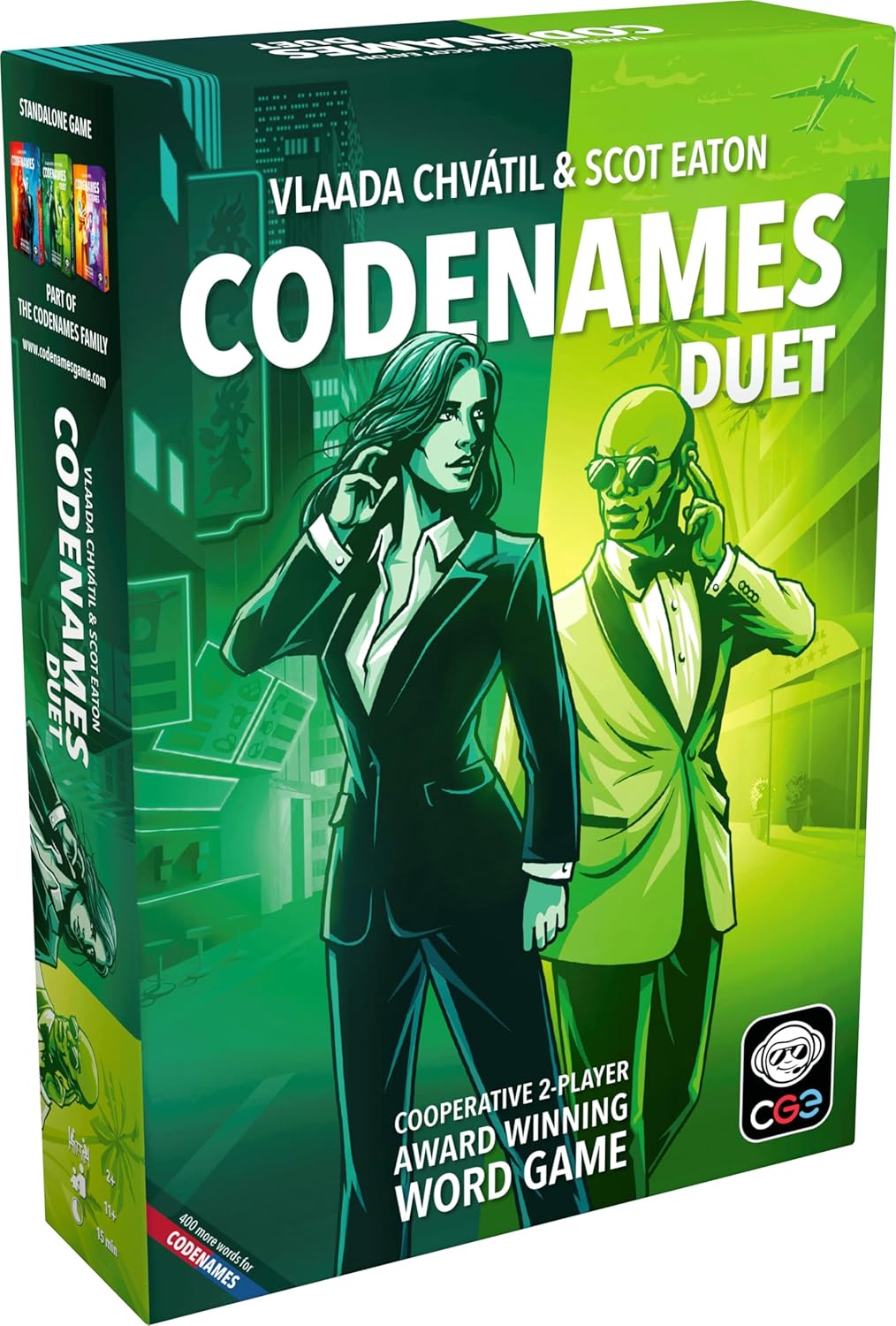
3. Czech Games Edition Codenames — Best Large Group Icebreaker
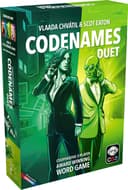
For gatherings of six to eight people where you need something snappy, accessible, and mentally stimulating, Czech Games Edition Codenames by Vlaada Chvátil is unbeatable value. Playing in 15 to 30 minutes, it divides the room into two rival spymaster teams.
A 5x5 grid of twenty-five word cards sits in the center. Spymasters see a key card indicating which words belong to their team, which are innocent bystanders, and which single card is the instant-loss Assassin. The spymaster gives a one-word clue followed by a number—such as "Ocean: 2"—prompting teammates to debate which cards on the table connect to that concept.
Pros:
- Supports up to 8 players straight out of the box with zero slowdown in pacing.
- Rules take under two minutes to explain to complete beginners.
- Compact box fits easily into a backpack or weekend bag.
Cons:
- Spymaster role requires patience; over-analytical players can cause brief pauses in play.
- Fails to deliver the same strategic depth at strict 2-player counts.
4. The Mind Card Game — Best Budget Filler
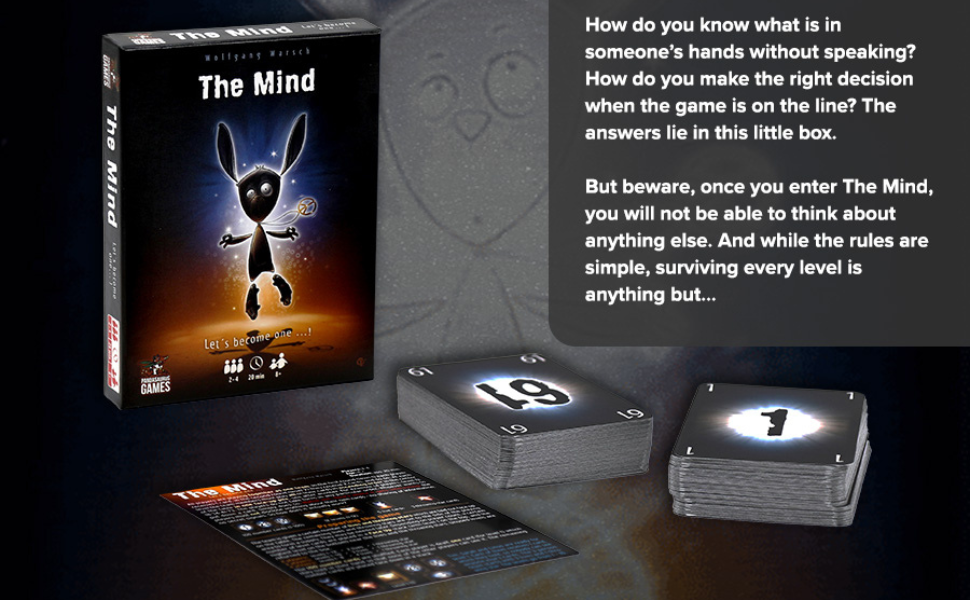
A nominee for the prestigious Spiel des Jahres, The Mind Card Game sounds impossible on paper: 2 to 4 players must cooperatively play a deck of cards numbered 1 to 100 in ascending order without speaking, gesturing, or communicating any specific information. Yet in practice, it creates some of the most focused, tense silence you will ever witness across a table.
Rounds progress across numbered levels, with players receiving cards equal to the current stage. Success relies purely on developing a collective internal clock, reading body language, and judging micro-hesitations. With a typical 20-minute runtime and pocket-sized footprint, it functions brilliantly as an appetizer before a larger game night.
Pros:
- Extremely inexpensive entry point with almost zero setup time.
- Engages teenagers instantly through its weird, mind-reading premise.
- Ultra-portable format suitable for travel and holidays.
Cons:
- Minimal component footprint (consists purely of a single deck of cards).
- High novelty factor may lead to burnout if played on repeat over short spans.
Buying Considerations for Older Kids and Teens
When selecting a game for players aged 10 and up, consider three practical factors:
- Downtime vs. Simultaneous Turns: Games with lengthy turns where players sit waiting for five minutes invite phone distraction. Look for titles like The Quacks of Quedlinburg or Codenames where everyone acts or discusses simultaneously.
- Player Scaling: If you frequently host friends alongside family, verify how the game functions past 4 players. While Pandemic tops out at 4, Codenames thrives with up to 8.
- Cooperative vs. Head-to-Head: If sore losing is an issue in your household, co-op games direct all player frustration toward the board rather than each other.
Verdict & Final Recommendation
For the single best balance of tactile excitement, deep replayability, and universal appeal across teens, parents, and older kids, Schmidt Spiele The Quacks of Quedlinburg is our clear top recommendation. The bag-building mechanism creates unmatched table drama without ever eliminating players from the action.