As an Amazon Associate I earn from qualifying purchases. This page contains affiliate links, and I may earn a commission at no extra cost to you.
Hosting a dinner party where guests come from distinct friend circles, family branches, or professional backgrounds is a delicate social challenge. Nothing kills post-dinner momentum faster than pulling out a game box only to spend twenty minutes deciphering a tiny rulebook while someone's partner quietly checks their phone under the table. The ideal dinner party icebreaker needs to meet three strict criteria: it must take under five minutes to explain, it must keep the entire table engaged without painful downtime, and it must spark spontaneous debate rather than pure calculation.
Based on extensive analysis of player feedback, tabletop design mechanics, and dinner host testimonials, five titles consistently solve the icebreaker dilemma. Whether you have four guests around a kitchen island or a lively group of twelve spilling onto sofas, this guide breaks down the best icebreaker board games to buy right now.
Quick Comparison Table
Here is how the top party icebreakers stack up across player counts, complexity, and price brackets:
| Game | Player Count | Teach Time | Price Band | Best For | Action |
|---|---|---|---|---|---|
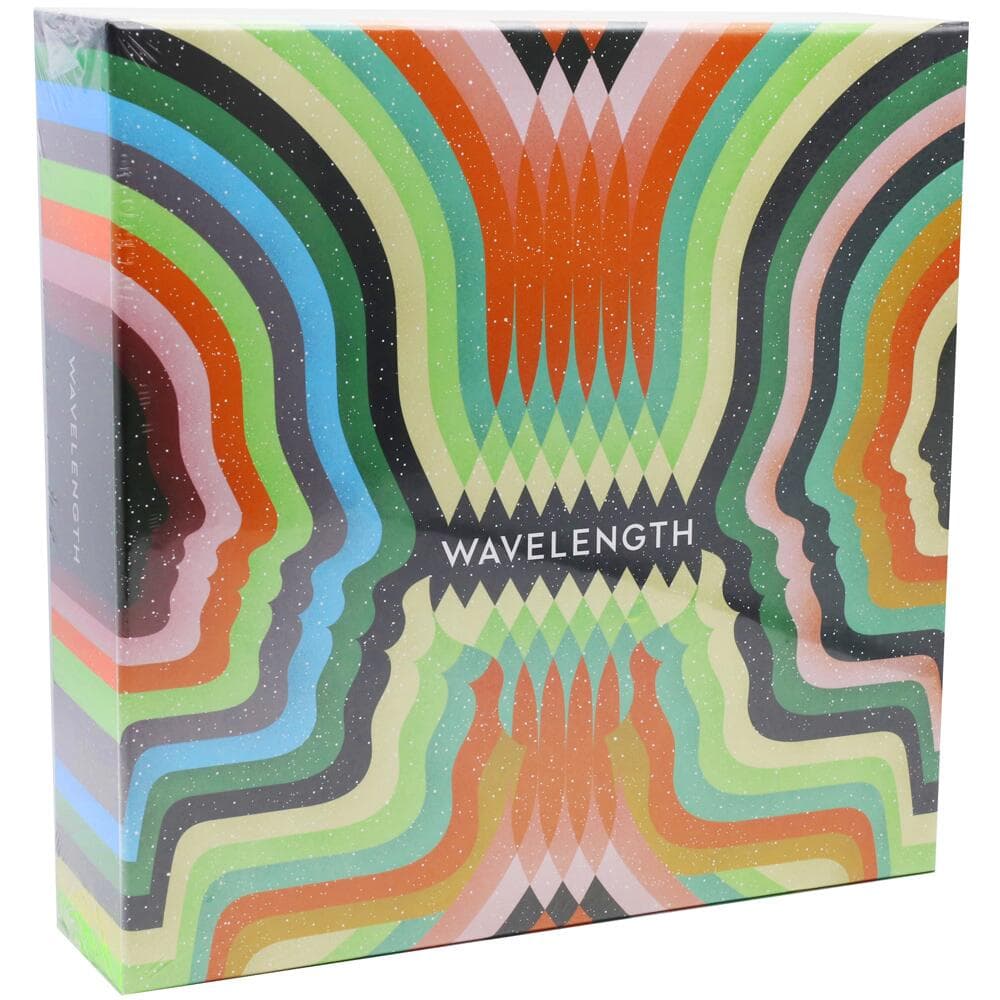
| CMYK Wavelength | 2–12 | 2 mins | Mid-range | Lively debate & empathy | See it on Amazon |
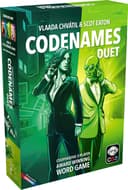
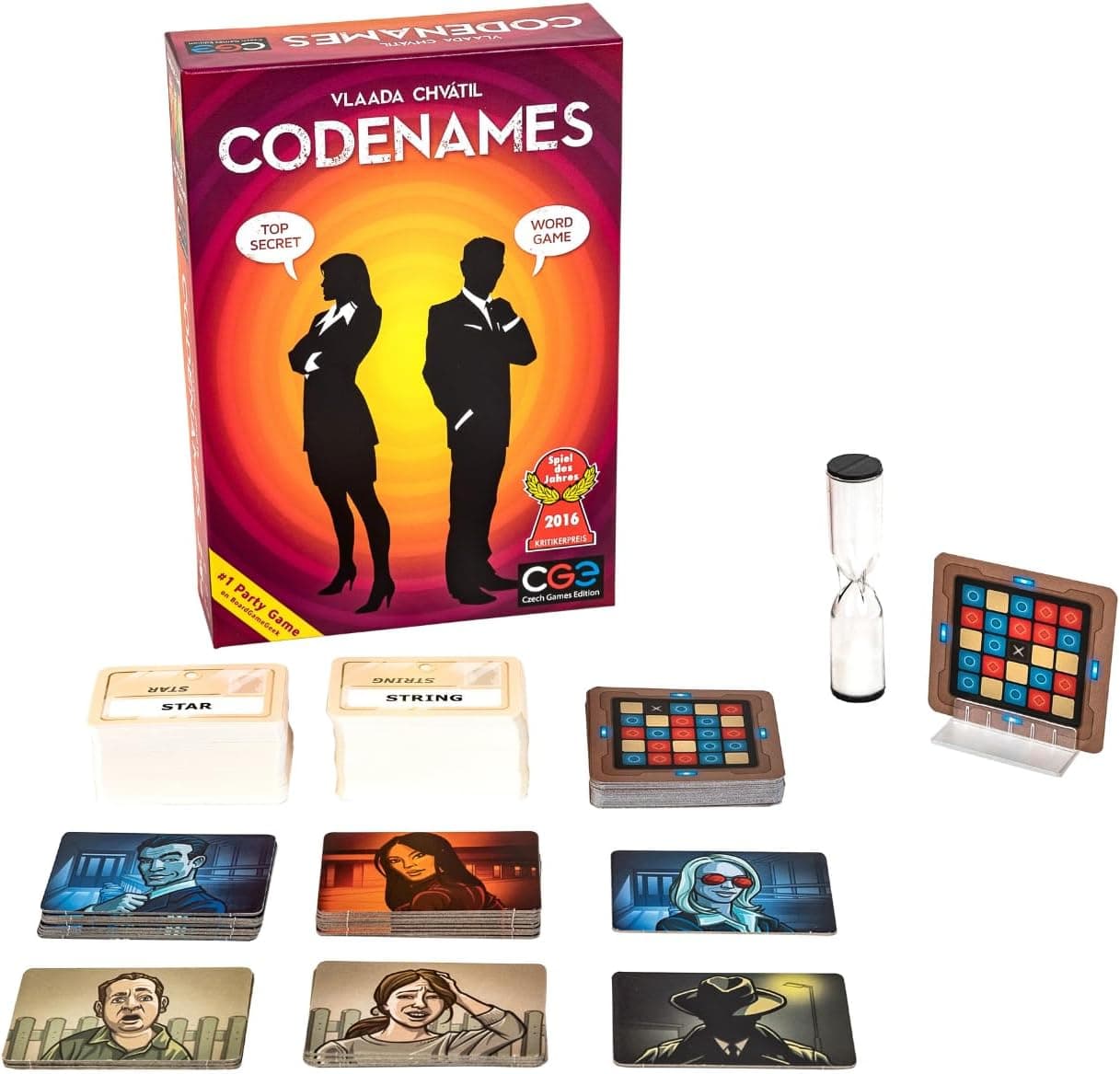
| Czech Games Edition Codenames | 2–8+ | 4 mins | Budget | Clever word association | See it on Amazon |
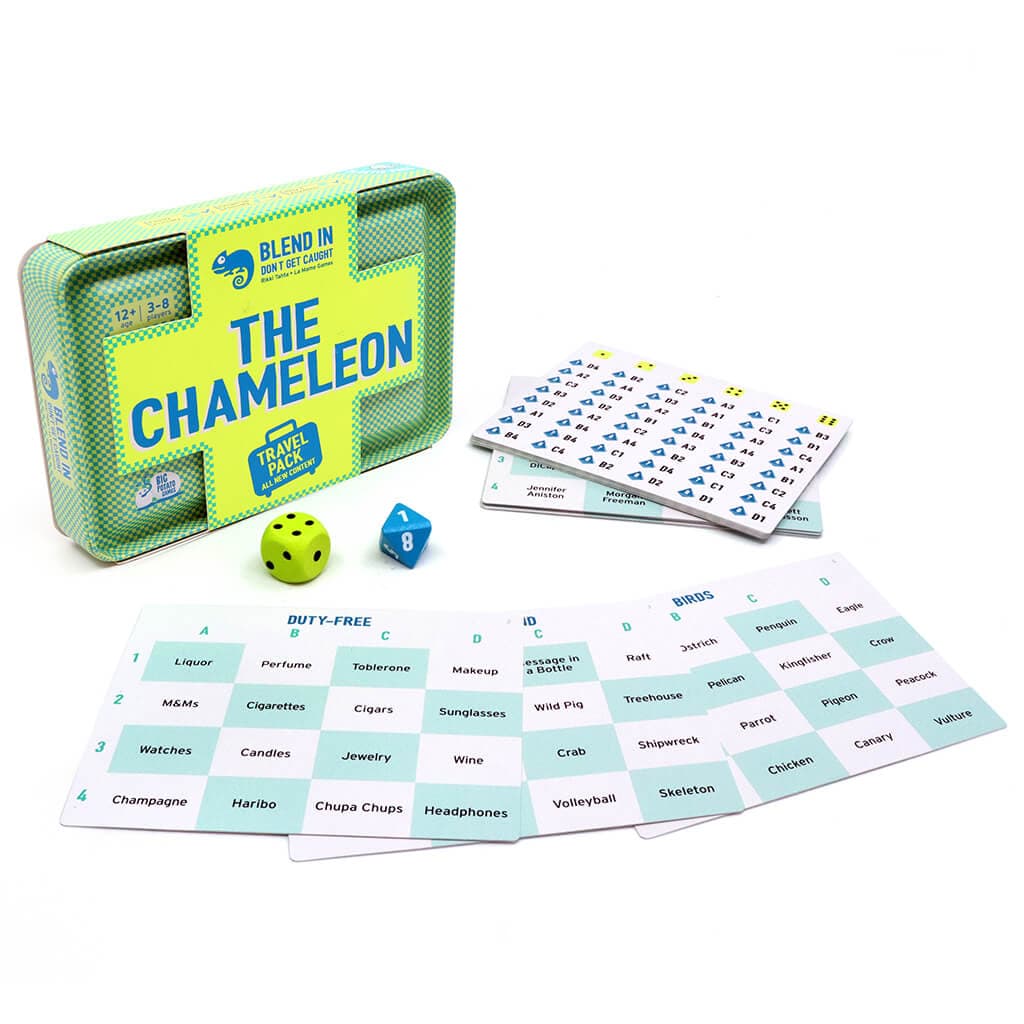
| Big Potato The Chameleon | 3–8 | 2 mins | Budget | Social deduction & bluffing | See it on Amazon |
| Repos Production Just One | 3–9 | 2 mins | Budget | Zero-stress cooperative fun | See it on Amazon |
| Asmodee Dixit Amazon listing under review | 3–8 | 3 mins | Mid-range | Creative & visual thinkers | Amazon listing under review |
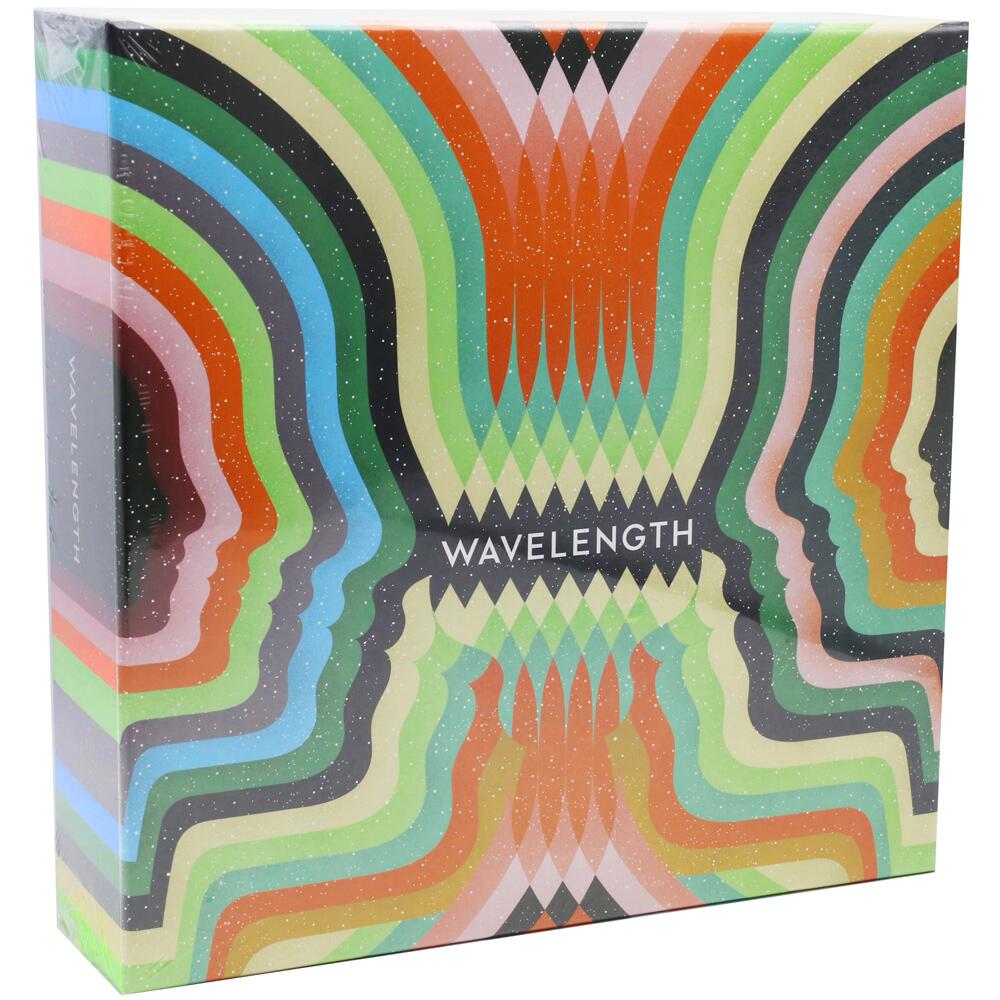
1. CMYK Wavelength – The Ultimate Social Conversation Engine
Designed by Wolfgang Warsch, Alex Hague, and Justin Vickers, CMYK Wavelength is essentially an empathy engine disguised as a social guessing game. Built around a striking physical plastic wheel device, the game pits two teams against one another to read the mind of the round's clue-giver.
The setup is immediately tactile. One player turns a dial to reveal a hidden target zone behind a plastic screen. After closing the screen so only they know the target location, the clue-giver draws a card showing a binary spectrum—such as "Rough / Smooth", "Underrated / Overrated", or "Historically Significant / Forgotten". The clue-giver gives a single clue that corresponds to where the target lies on that continuum. For example, on a spectrum of "Cold / Hot", a target at 75% warmth might prompt the clue "Coffee that has sat on the counter for ten minutes". The rest of the team must discuss, argue, and turn the dial to where they believe the target sits before opening the screen to reveal their accuracy.
Why It Works for Dinner Parties
Unlike trivia games that reward specific memorised knowledge, this design relies entirely on how individuals interpret concepts and perceive reality. It produces instant, passionate tabletop discussions where introverted guests and extroverts contribute equally. Because the clue is an opinion rather than a hard fact, arguments over why a toasted bagel is only "60% breakfast food" generate effortless laughs without anyone feeling intimidated.
- Player Count: 2 to 12 players (scales exceptionally well into large teams)
- Play Time: 30 to 45 minutes
- Strengths: Tactile centrepiece mechanism, zero rules friction, sparks genuine debates.
- Drawbacks: Box size is relatively bulky to transport; needs a stable flat surface for the wheel.
2. Czech Games Edition Codenames – The Gold Standard of Wordplay
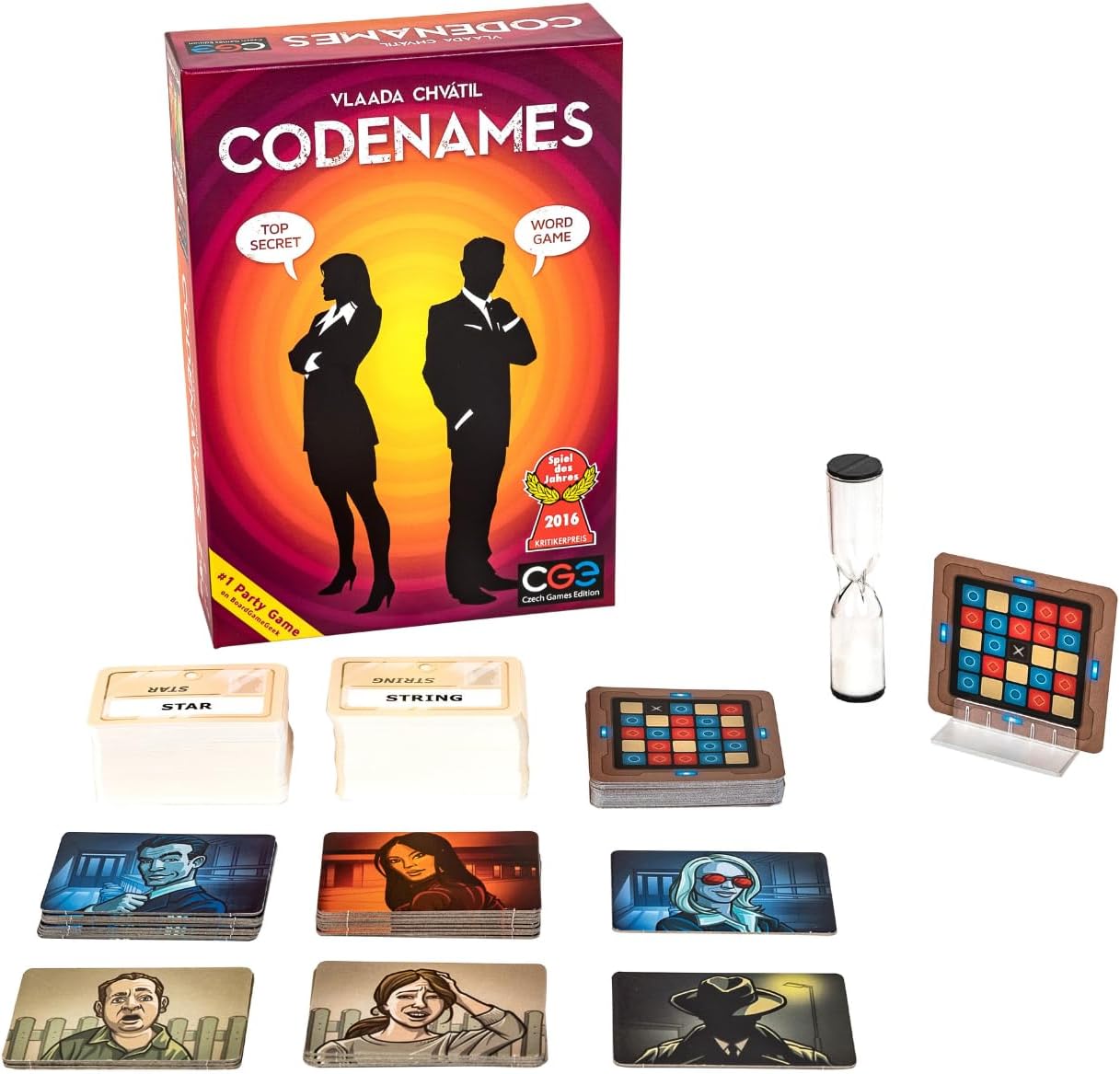
Vlaada Chvátil's Czech Games Edition Codenames has remained a modern party classic for good reason. Two rival spymasters know the secret identities of 25 agents laid out in a 5x5 grid of random word cards on the table. Spymasters take turns giving one-word clues linked to a number (e.g., "Tree, 2") to help their respective field operatives identify their team's secret agents without uncovering the opposing team's words or, worse, stumbling upon the instant-loss Assassin card.
Why It Works for Dinner Parties
The beauty of this game lies in the collective tension. When a spymaster drops an ambitious "Flight, 3" clue, the remaining players on that team must brainstorm what on earth connects "PENGUIN", "NIGHT", and "PILOT". The casual whispering, second-guessing, and celebratory high-fives make it a staple for mixed groups. At roughly £15–£20, it represents stellar value in tabletop gaming.
- Player Count: 2 to 8+ players
- Play Time: 15 to 30 minutes
- Strengths: Highly rewarding eureka moments, fast reset times, budget-friendly.
- Drawbacks: Prone to "analysis paralysis" if spymasters overthink their clues in complete silence.
3. Big Potato The Chameleon – Fast-Paced Social Deduction
Social deduction games like Werewolf or Mafia can sometimes alienate timid players who dislike direct confrontation or being eliminated five minutes into a half-hour match. Big Potato The Chameleon completely avoids player elimination while delivering quick bursts of deduction and bluffing.
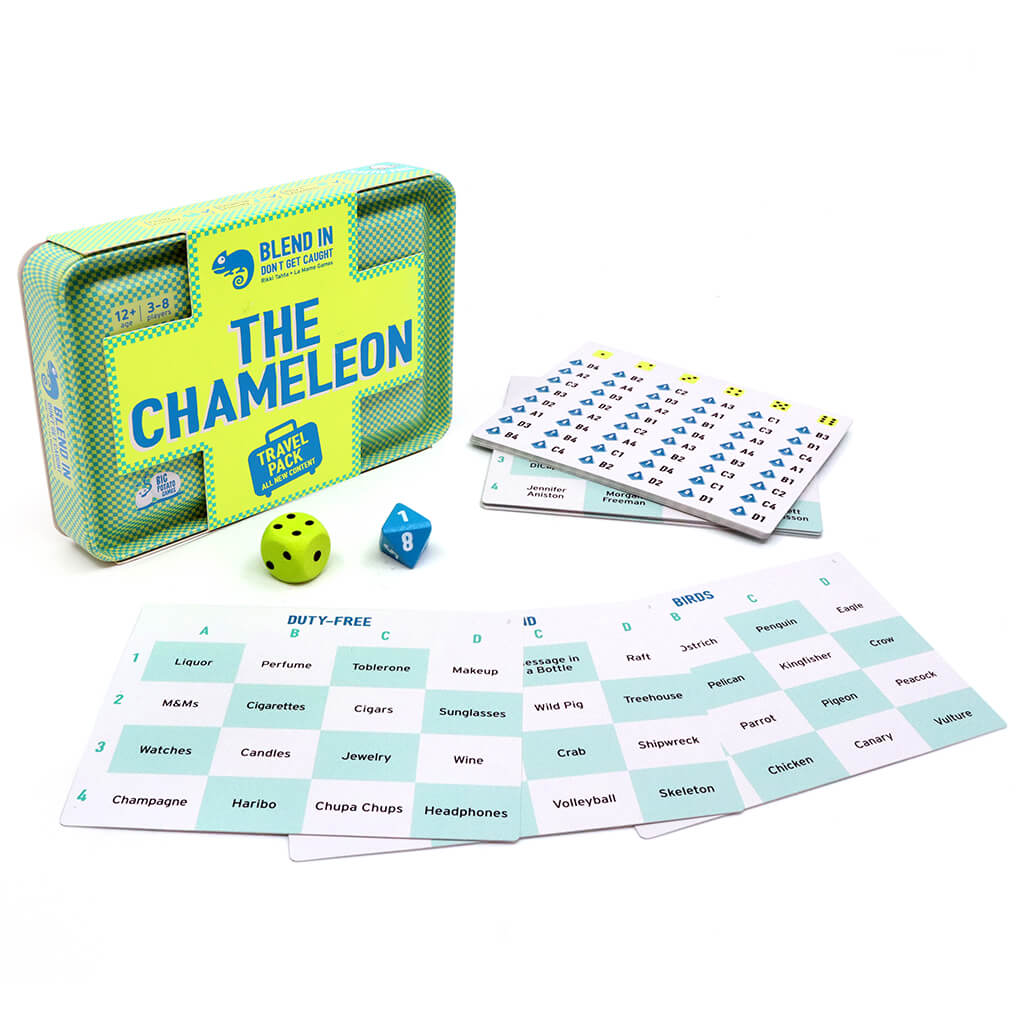
In each round, a topic card featuring 16 related words is placed in the centre. Everyone at the table receives a secret card revealing coordinates to the secret word—except for one player who receives the Chameleon card. Starting with the first player, everyone must say exactly one single word related to the secret topic. The regular players must prove they know the word without making it blatantly obvious, while the Chameleon must blend in, listen carefully to context clues, and say something plausible without giving away that they have no idea what the secret word is. After a brief discussion and finger-pointing vote, the Chameleon is caught or escapes.
Why It Works for Dinner Parties
A full round takes less than three minutes, meaning there is zero downtime. It forces players to read body language and verbal hesitations across the dining table. Even when someone gets caught as the Chameleon, the reveal is lighthearted, and a revenge round starts thirty seconds later.
- Player Count: 3 to 8 players
- Play Time: 15 minutes
- Strengths: Lightning-fast rounds, no player elimination, delightfully accessible packaging.
- Drawbacks: Player count tops out strictly at 8; works best with at least 5 participants.
4. Repos Production Just One – The Low-Pressure Cooperative Hit
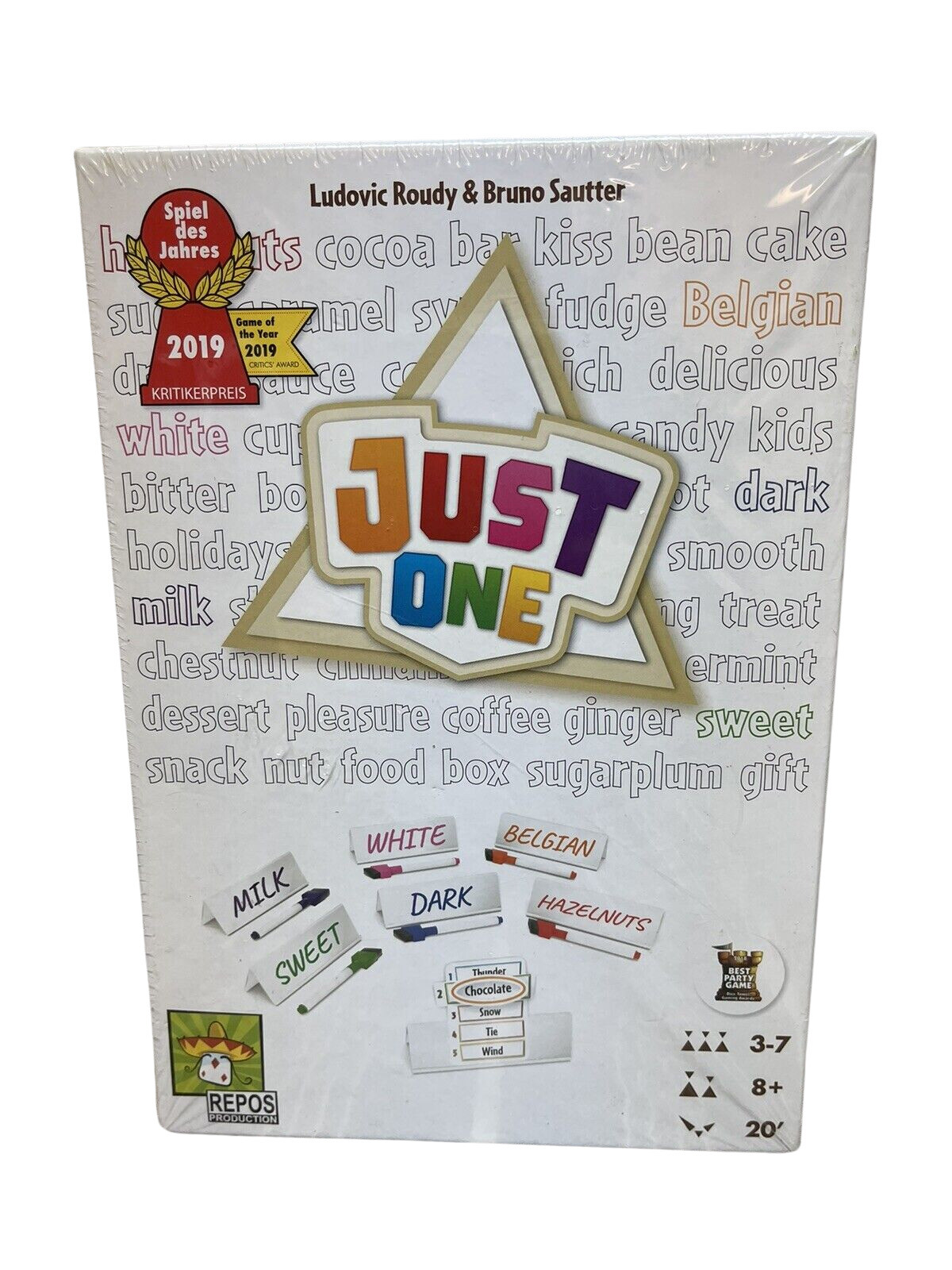
Winner of the prestigious Spiel des Jahres award, Repos Production Just One removes cutthroat competition entirely in favour of a cooperative word-guessing challenge where the whole table plays on the same team.
One active player places a mystery card on their plastic easel without looking at the chosen secret word. All other players secretly write a one-word clue on their individual dry-wipe easels. Before revealing the clues to the active guesser, the clue-givers compare their boards in secret. If two or more players wrote identical or derivative clues (such as "CHEESE" and "CHEESE"), those matching clues are erased and disqualified from the round. The guesser is then presented with whatever unique clues remain to deduce the target word.
Why It Works for Dinner Parties
The magic of the cancellation rule creates brilliant emergent humour. If the target word is "PARIS", everyone wants to avoid writing "EIFFEL" because they assume someone else will write it. If everyone gets too clever and writes obscure references, the guesser is left with baffling hints. There is zero malice, zero stress, and everyone shares the victory or blunder collectively.
- Player Count: 3 to 9 players
- Play Time: 20 minutes
- Strengths: Non-competitive harmony, quick dry-wipe easels, zero barrier to entry for any age.
- Drawbacks: Less dramatic for groups who thrive on fierce rivalry or complex strategic depth.
5. Asmodee Dixit – Dreamlike Visual Association
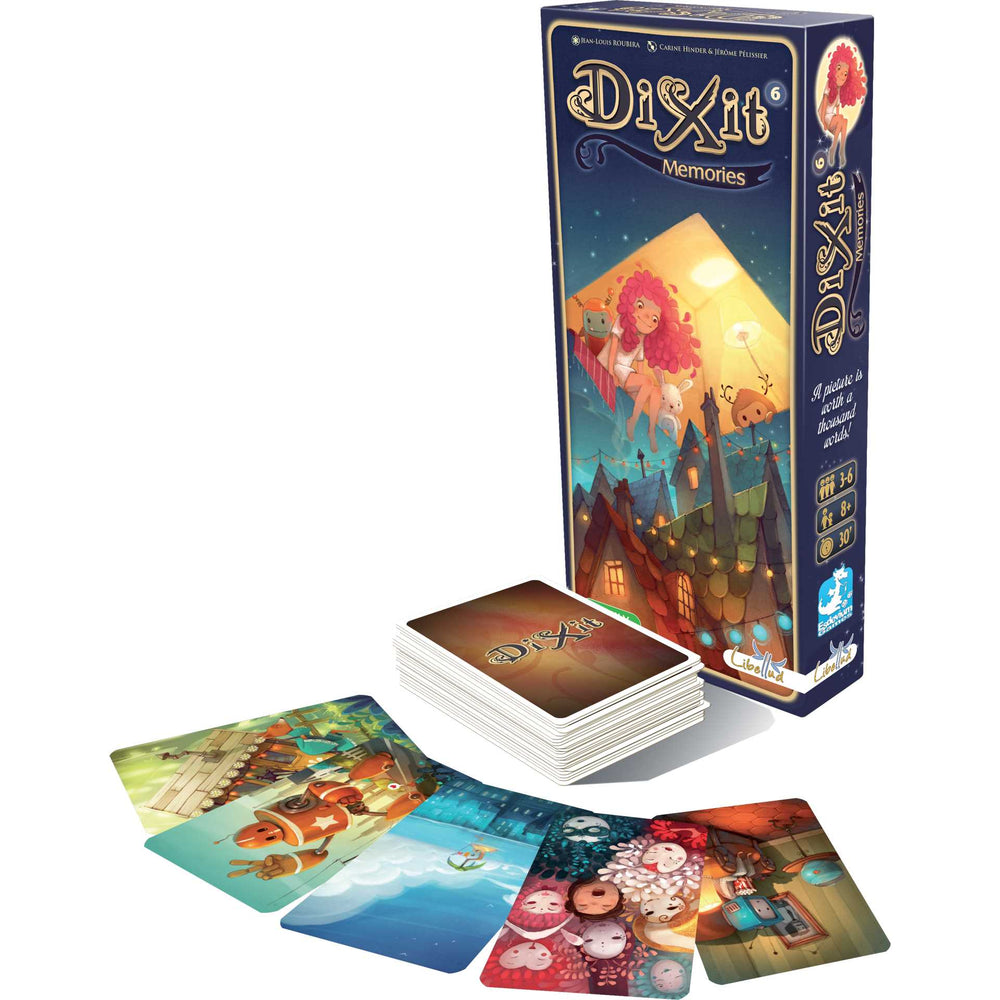
If your dinner guests lean toward artistic, imaginative, or narrative pursuits, text-heavy word games can feel a bit dry. Asmodee Dixit Amazon listing under review replaces word cards with oversized, surrealist illustrated art cards reminiscent of storybook paintings.
Each turn, one player acts as the Storyteller. They select one card from their hand of six and say a word, a phrase, a song lyric, or a sound effect inspired by the painting. Every other player selects the card from their own hand that best fits the Storyteller's clue. All chosen cards are shuffled and revealed face-up. Players then secretly vote on which card was the Storyteller's original. The scoring nuance is clever: if everyone guesses correctly or nobody guesses correctly, the Storyteller gets zero points. To score, the clue must be subtle enough that only some players guess it.
Why It Works for Dinner Parties
The visual variety draws players into imaginative associations. It serves as a gentle window into how your friends and family interpret abstract art and metaphorical ideas, making it a peaceful, reflective counterpoint to rowdier party titles.
- Player Count: 3 to 8 players
- Play Time: 30 minutes
- Strengths: Beautiful large card illustrations, promotes creative lateral thinking.
- Drawbacks: Needs decent tabletop lighting to inspect card art clearly; scoring track is slightly fiddly.
Buying Guide: Choosing the Right Game for Your Table
Before purchasing, consider how your dinner party is structured physically and socially:
1. Group Size and Scalability
If you regularly host larger dinner parties of 8 to 12 guests, games like CMYK Wavelength or team-based Czech Games Edition Codenames shine because team sizes can expand effortlessly without dragging down the turn tempo. For intimate 4-to-6-person sit-down meals, Big Potato The Chameleon offers unmatched round-by-round speed.
2. Competitive Tension vs. Cooperative Harmony
Some dinner parties thrive on loud banter and mock accusations. For those crowds, deduction titles like Big Potato The Chameleon bring high energy. Conversely, if your gathering includes shy guests, in-laws, or mixed generations who might feel anxious put on the spot, cooperative designs like Repos Production Just One ensure nobody ever feels singled out for losing.
3. Table Footprint and Drink Hazards
Dinner tables often remain littered with wine glasses, dessert plates, and coffee cups. Games requiring sprawling boards and hundreds of tokens can be a recipe for spilled drinks. Titles with self-contained easels or a single central dial keep the perimeter safe from clutter.
Alternatives to Consider
If you already own the mainstream hits and want alternative flavours:
- For visual lateral thinking without complex cards: Consider pairing your collection with Asmodee Dixit Amazon listing under review for an artistic, family-friendly evening.
- For high-speed party deduction: Keep Big Potato The Chameleon handy in your bag—it takes up virtually no shelf space and travels effortlessly to restaurants or holiday lets.
Final Verdict
While every game in this lineup serves a distinct party atmosphere, our top recommendation for an adult dinner party icebreaker is CMYK Wavelength. Its tactile physical dial, zero-setup friction, and ability to generate genuine, laughing debates over subjective human opinions make it the single most reliable icebreaker for mixed groups.