As an Amazon Associate I earn from qualifying purchases. This page contains affiliate links, and I may earn a commission at no extra cost to you.
The Bedtime Screen Dilemma
You want a calm evening routine, but handing over a tablet or smartphone to a restless sleeper routinely backfires. The blue light suppresses melatonin, notification pings shatter relaxation, and endless menus invite bargaining over one more video. Even audio apps on a phone require tapping a backlit glass display that wakes your brain up the second you touch it.
Dedicated audio devices solve this by removing displays entirely. Among them, the Morphée Meditation and Sleep Aid takes an uncompromising approach: it contains zero Wi-Fi antennas, zero Bluetooth transmitters, and no digital screen. Instead, it relies on physical brass dials and 210 guided sophrology and meditation sessions stored locally on internal memory. But how does this standalone wellness box compare against popular interactive audio systems like the Yoto Player (3rd Generation) or the tactile Toniebox Starter Set Currently unavailable on Amazon? This guide breaks down the core differences in content, build quality, and usability to help you decide which device belongs on your bedside table.
Comparison: Screen-Free Audio Devices at a Glance
| Product | Key Specs & Audio Content | Price Band | Primary Use Case | Buy |
|---|---|---|---|---|
| Morphée Meditation and Sleep Aid | 210 sessions (8 themes, 2 durations, 2 voices); 100% offline; ~3.5h battery | Mid-range | Zero-wave adult & teen sleep sophrology | See it on Amazon |
| Morphée Zen | 72 sessions (6 themes, 5-min sessions); pocket-sized pebble; wired headphones included | Budget / Mid-range | On-the-go daytime stress relief & travel naps | See it on Amazon |
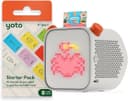
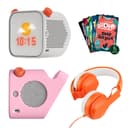
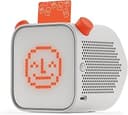
| Yoto Player (3rd Generation) | NFC card system; pixel display; nightlight; 16h battery; 32GB offline storage | Mid-range / Premium | Kids 3–12+ audiobooks, sleep sounds & routines | See it on Amazon |
| Toniebox Starter Set | Magnetic figurine audio; padded soft body; tap/tilt controls; ~7h battery | Mid-range | Toddlers & young children bedtime stories | Currently unavailable on Amazon |
Detailed Breakdown: Standalone Sleep Aids vs Family Audio Players
Morphée Meditation and Sleep Aid: Pure Analogue Simplicity
The Morphée Meditation and Sleep Aid features a tactile aesthetic that looks closer to a mid-century clock than a piece of modern consumer electronics. Encased in a solid beechwood base that doubles as a protective travel lid, the top plate features three rotating brass keys. You do not navigate companion apps, run firmware updates, or troubleshoot wireless network dropped connections. Turn the first key to select one of eight relaxation themes, the second key to choose the session number (1 to 8), and the third key to set the duration (8 or 20 minutes). A side toggle selects between a male or female voice.
The audio sessions themselves are rooted in sophrology—a therapeutic method combining breathing techniques, body visualization, and gentle movement developed in clinical settings to manage insomnia. Themes include traditional body scans, cardiac coherence breathing rhythms, nature soundscapes recorded in binaural stereo, and visualization journeys. Because the device emits no radiofrequency radiation and shuts itself down automatically once a track finishes, you can drift off without worrying about an active speaker running all night.
There are genuine trade-offs to keep in mind. The built-in rechargeable battery delivers roughly 3 to 3.5 hours of continuous playback, which equates to roughly ten to twelve 20-minute sessions between charges via the included micro-USB or USB cable. For permanent nightstand use, keeping it plugged in is the most practical choice. Additionally, while children aged 10 and above can comfortably follow the sophrology cues, younger children typically need more playful narrative storytelling to hold their focus.
Morphée Zen: Pocket Relaxation for Daytime Anxiety
If nighttime wakefulness is tied to daytime stress, the Morphée Zen strips the concept down into an ultra-portable pebble design. Unlike the tabletop sleep box, the Zen is designed to slip directly into a pocket, handbag, or coat. It holds 72 sessions divided into six relaxation themes, each locked to a rapid 5-minute format. Themes include dynamic relaxation, immersive sensory journeys, Chrono Zen stress resets, and ambient nature sounds.
The unit requires wired headphones (included in the box) for listening, making it ideal for crowded commutes, office desk breaks, or discreet use during travel without disturbing those around you. Like its larger sibling, it is 100% disconnected—no Bluetooth pairing screen, no smartphone sync, and zero electromagnetic transmission. The trade-off is volume and versatility: it is not designed to fill a bedroom with sound through an external speaker, so it serves primarily as a personal relaxation tool rather than an ambient bedside companion.
Yoto Player (3rd Generation): The Versatile Smart Storyteller
For parents seeking an all-in-one nursery and big-kid bedtime command centre, the Yoto Player (3rd Generation) represents the opposite philosophical direction from Morphée. While still fundamentally screen-free in terms of video distractions, Yoto connects to Wi-Fi to download content onto its 32GB internal storage before playing completely offline. Children insert credit-card-sized physical cards to trigger audiobooks, sleep soundscapes, podcasts, or radio stations.
The third-generation hardware adds notable upgrades: up to 16 hours of battery playback per charge, a USB-C fast charge port, room temperature monitoring, and a customizable nightlight that doubles as an OK-to-wake clock for early risers. Its low-glare pixel display shows small icons indicating chapter progress or bedtime graphics without throwing bright blue light into the room. If your priority is an expansive library of licensed audiobooks that grows with a child from toddlerhood to pre-teen years, Yoto provides significantly broader entertainment value, though it lacks the focused, clinically informed sophrology tracks of the Morphée.
Toniebox Starter Set: Durable Physical Play for Younger Bedtimes
The Toniebox Starter Set Currently unavailable on Amazon approaches screen-free audio through soft, tactile toy figurines. A child simply places a hand-painted magnetic character on top of the padded cube to begin playback. Navigating tracks uses physical gestures: pinching the soft rubber ears adjusts volume, while tapping the side of the box skips chapters. With roughly 7 hours of battery life and a squishy, shock-absorbent outer fabric, it handles drops from bedside tables and beds without cracking.
For toddlers and pre-schoolers struggling with bedtime separation anxiety, the physical presence of a familiar character playing gentle lullabies or bedtime stories acts as an effective transitional object. However, Toniebox figurines cost significantly more per listening hour than standard audiobooks, and the chunky cube is less suited for adult relaxation or minimalist bedroom decor.
Currently unavailable on Amazon
Core Buying Factors: Which Bedtime Audio Style Fits You?
1. Complete Disconnection vs Connected Ecosystems
If your primary motivation is eliminating wireless signals and avoiding subscription models, the Morphée Meditation and Sleep Aid is the clear winner. All 210 sessions are permanently burned into the hardware. You never register an account, you never pay for an expansion pack, and you never risk a software update altering the interface. Conversely, systems like the Yoto Player (3rd Generation) require an initial Wi-Fi connection to download card audio, offering endless expansion at the expense of simplicity.
2. Content Purpose: Targeted Sleep Sophrology vs Entertainment
Audio content falls into two distinct categories: sleep induction versus general bedtime entertainment. Morphée’s tracks are structured around psychological relaxation techniques, cardiac coherence pacing (breathing at 6 breaths per minute to lower heart rate), and progressive muscle relaxation. They are explicitly crafted to guide the brain from active beta waves into resting theta and delta sleep states. Yoto and Toniebox provide soothing stories and ambient soundscapes, but their primary design goal is audio entertainment that keeps a child occupied quietly in bed.
3. Tactile Ergonomics in the Dark
Operating a device half-asleep requires distinct physical controls. Morphée’s brass keys click cleanly into numbered positions, allowing you to select your preferred session and duration entirely by touch without turning on a bedside lamp. Toniebox achieves similar tactile ease with its pinchable ears and magnetic figures. In contrast, selecting specific tracks on Yoto without using its mobile app requires glancing at the front pixel display or cycling through physical cards in low light.
Alternatives to Consider
If you love the concept of the Morphée but want something designed exclusively for children aged 3 to 10, search for dedicated junior visual journey players featuring animal metaphors and calming nature tracks. Alternatively, for adults who find guided talking voices distracting and solely want continuous ambient noise (white noise, rainfall, or fan hums) to mask snoring or street noise, standard non-looping sound machines provide continuous playback without structured meditation sessions.
Verdict
For adults, teenagers, and older children struggling with bedtime anxiety or middle-of-the-night insomnia, the Morphée Meditation and Sleep Aid is the most cohesive, beautifully designed, and genuinely restorative offline solution available. It requires no apps, carries no hidden content fees, and delivers 210 structured sophrology sessions via tactile brass controls that anyone can operate in pitch-black darkness. If your goal is entertaining younger kids with expansive fairy tales and audiobooks, pick the Yoto Player (3rd Generation); but for pure, wave-free sleep wellness, Morphée remains unmatched.