Black Friday 2026 lands on Friday 27 November, with Cyber Monday on the 30th — and long before that, somebody in the family group chat will have sent a screenshot of a board game with a bright discount badge next to it and one word: “this?” You’ll be the one deciding whether it’s genuinely cheap or just wearing its sale sticker with confidence. Family games are a friendlier category to shop than most: the big boxes get discounted hard and, more usefully, predictably, year after year.
The four games below are the long-standing favourites this kind of weekend is actually good for: a map-and-trains board game with real depth, a two-team word game for crowded rooms, a pocket-sized tin of a game for the youngest player, and a pick-and-pass sushi drafting box. Each gets its own section — who it suits, who shouldn’t bother, and what the deal maths honestly looks like.
As an Amazon Associate I earn from qualifying purchases. This page contains affiliate links, and I may earn a commission at no extra cost to you.
How to tell a genuine Black Friday deal from a sticker
The genuinely good pricing on family games tends to land across that Friday-to-Monday stretch rather than dribbling through the fortnight around it. That’s not a reason to panic — it’s a reason to know which game you want before the weekend, then judge calmly once the prices move.
Anchor against the ordinary shelf price, not against a slashed fantasy RRP. Big-box family titles barely budge from spring to autumn, so a deal is real when the number is visibly below what the box normally costs. The working example here is Ticket to Ride: Europe, which normally sits around £38 — anything meaningfully under that is the genuine article, while a couple of quid off is just the badge doing its job.
Calibrate by category, too. The showpiece cuts go to the big boxes: board, map, heaps of plastic. Little card decks are already cheap most of the year, so their Black Friday movement is shallow by nature — a modest drop on one of those is often as good as that game ever gets. Then apply the floor test before you tap buy: if the price snapped back to its usual level tomorrow, would you feel you’d missed the deal of the year, or shrug? If you’d shrug, it was never the floor.
The four deals at a glance
Ranked for a household buying one good game this Christmas — the reasoning sits below the table.
| Game | Key spec | Price band | Verdict | Buy |
|---|---|---|---|---|
| Ticket to Ride: Europe | 2–5 players; claim train routes across turn-of-the-century Europe | around £38 | The flagship family deal — first pick if the mission is one proper board game | See it on Amazon |
| Codenames | 2–8 players; two-team word deduction with a 5×5 grid | under £16 | The cheapest way into a genuinely great party game | See it on Amazon |
| Dobble | Ages 6+; 2–8 players; 55 cards in a tin; rounds of about 15 minutes | around £10 | The stocking-filler the youngest player can actually win | See it on Amazon |
| Sushi Go Party! | 2–8 players; pick-and-pass drafting with a swap-in menu board | under £30 | The pick-and-pass party game that grows with the crowd | See it on Amazon |
1. Ticket to Ride: Europe — the one to buy first
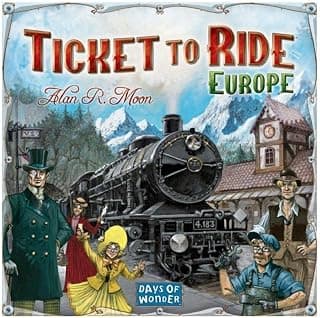
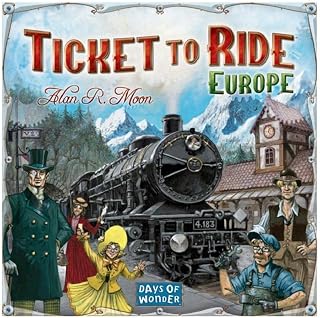
If the mission is a proper board game the whole family can learn in one sitting, the Ticket to Ride: Europe deal is where I’d point you first. Everyone collects train cards, lays little plastic trains to claim routes between European cities, and quietly chases secret destination tickets that pay big if they connect — and cost just as much if they don’t. It’s the rare big box where your nan, your nine-year-old and your superfan mate all end up genuinely invested by round three.
The Europe map is also the version I’d start with rather than the American original. Tunnels can demand extra cards at the worst possible moment, ferries need a locomotive card to cross, and the little station buildings let you sneak a link through a city a rival has already cornered. None of it complicates the teaching — the rules fit inside a drinks-pouring interval — but it gives the family strategist something to chew on while everyone else has fun.
As a gift, it’s the box that looks impressive under the tree and then stays out all Christmas: on the kitchen table on Boxing Day, still working through twelfth night. It does need a proper table and a committed stretch of evening — this is a sit-down game, not a filler — and route-blocking can turn theatrical with tenderer players. If the household already owns a Ticket to Ride game, this is a second map rather than an add-on, so pick from further down instead.
What earns the gift-wrap:
- Simple to teach and genuinely fun for complete newcomers and experienced players alike
- Tunnels, ferries and stations give the Europe map more decision-making than the US original
- Plays from two to five, so it handles a quiet weeknight and a full holiday table
- Big-box family games like this are the showpiece discounts of the weekend
Worth weighing up:
- Demands a full table and a proper evening slot, not twenty minutes between courses
- Route-blocking can sour the mood with very sensitive players
- Redundant in a house that already owns a Ticket to Ride map
2. Codenames — the party pick for crowded rooms
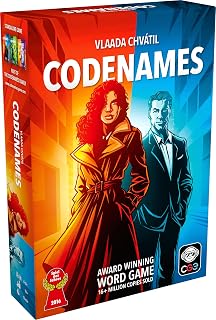
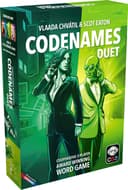
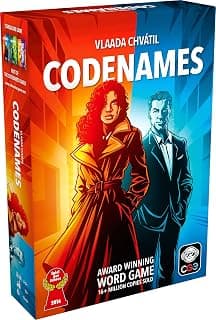
If your family Christmas looks more like twenty people and two dogs than a tidy table of four, the Codenames deal is the smarter spend of the day, and the cheapest of the four by a distance. Two teams face a five-by-five grid of word cards; each team’s spymaster can see which words hide their agents, and must link several at once with a single clue — “ocean, 3”. Teammates may guess up to that number plus one, gambling on old clues while dodging the other team’s agents, the neutral bystanders, and the one card nobody wants: the assassin, which ends the game instantly when revealed. It generates precisely the shouting a family gathering is supposed to contain.
The 2nd Edition is the right one to buy now: a revised word list, refreshed art, a streamlined rulebook and a much better box insert, which quietly fixes the most tedious part of any games night — the shuffle-everything-back-in tidy-up at the end.
It suits confident readers upward, and teenagers adore being spymaster; younger children can sit on a team as guessers even when the clueing is beyond them. It’s less happy with a table of under-tens as the main event, or anyone who doesn’t enjoy wringing meaning out of a single word. And because it’s a deck of cards in a smallish box, the unwrapping moment underplays it — the glory arrives Christmas afternoon and at every gathering after.
What earns the gift-wrap:
- Team format means mixed ages and mixed abilities genuinely work at one table
- The assassin delivers real, gasp-out-loud tension with zero setup fuss
- Revised words, refreshed art and a better insert make the 2nd Edition the tidy one to own
- Small box, enormous replay — the cheapest entry point of the four
Worth weighing up:
- Needs a confident clue-giver, or rounds can drag
- Underwhelming to unwrap — the fun is in the playing, not the unboxing
- Children much under ten can guess happily but can’t really clue
3. Dobble — the stocking-filler for the smallest chair
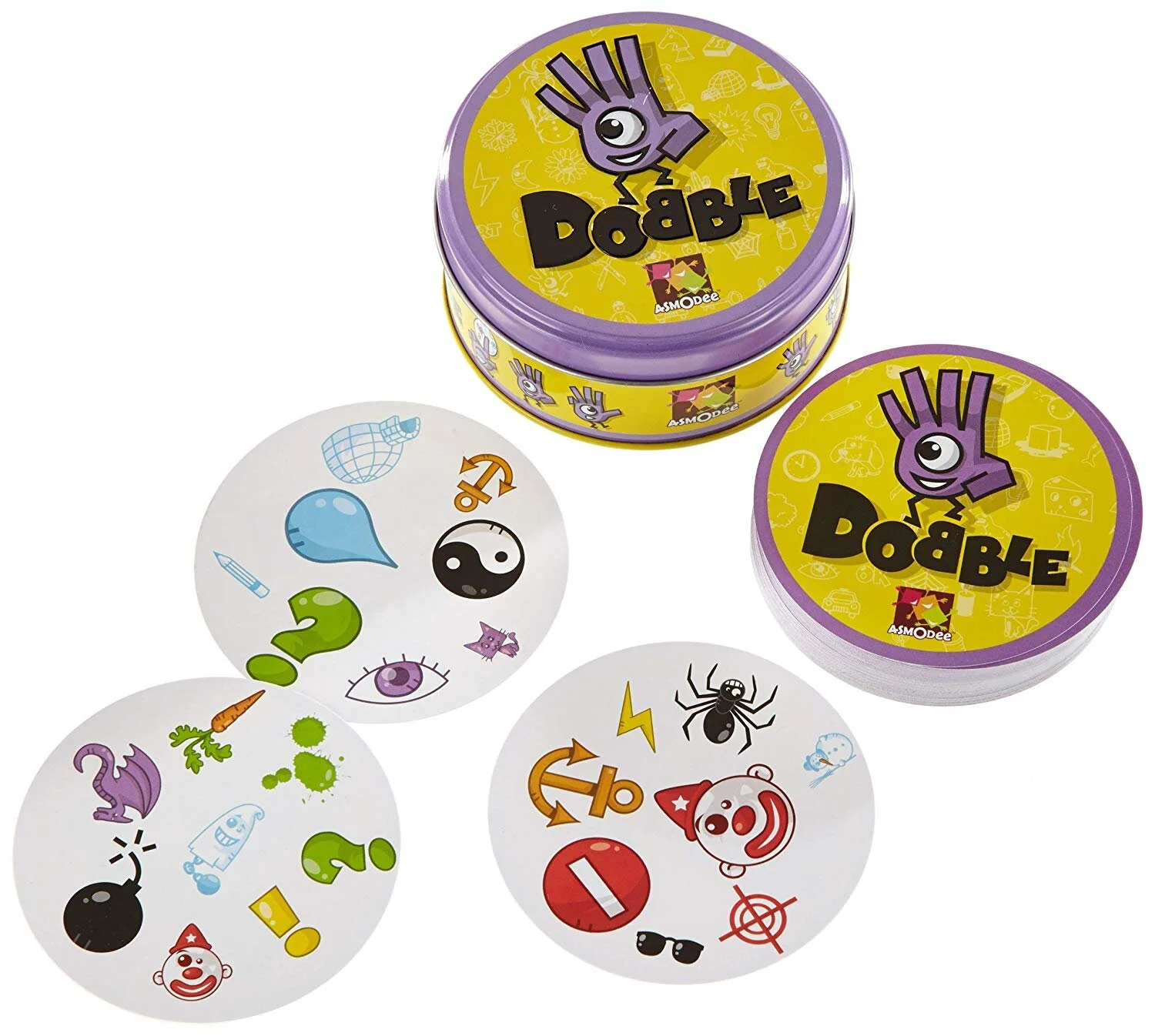
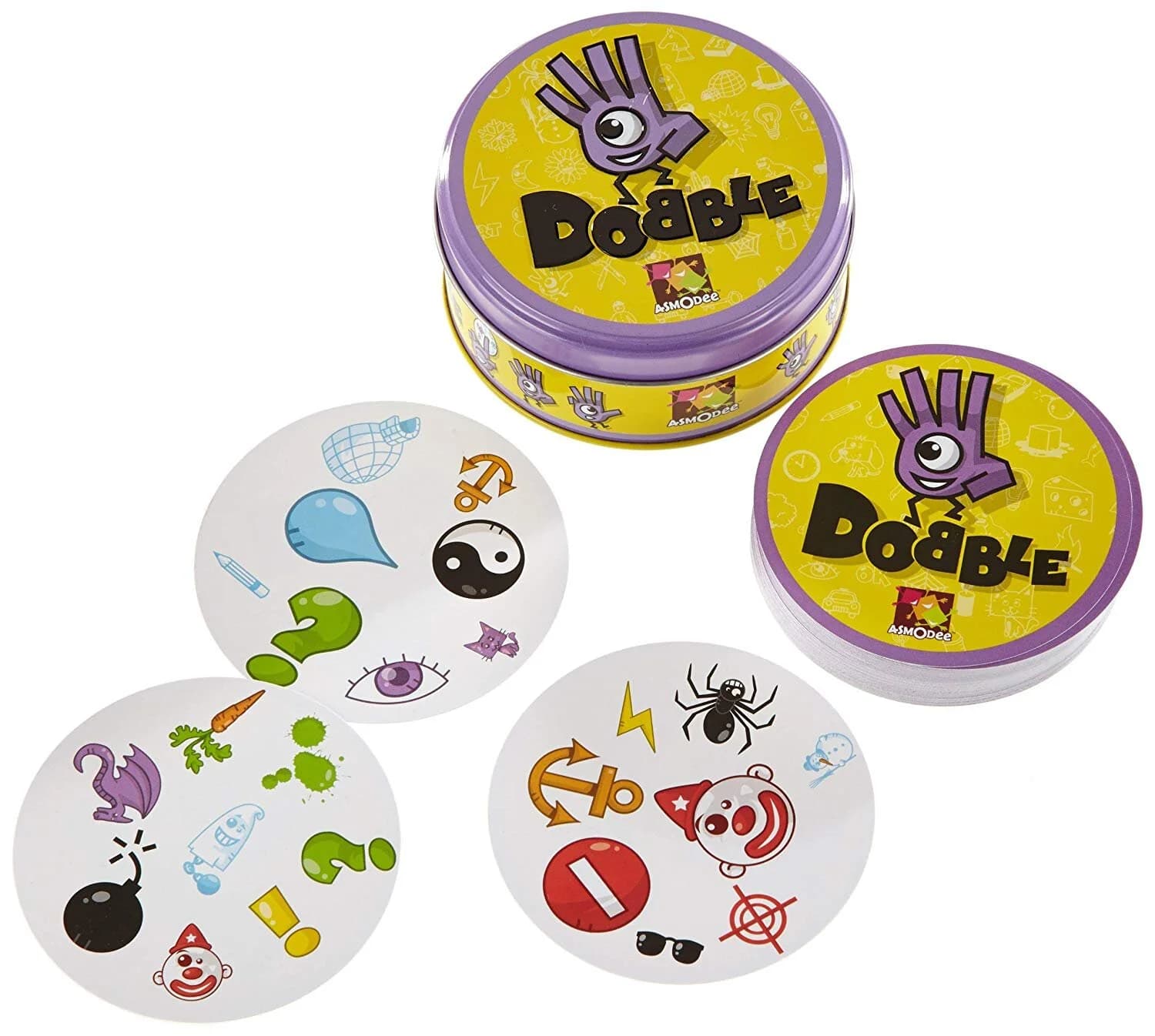
Buying for a six- or seven-year-old — or anyone whose attention runs in short bursts? The Dobble deal is the one to slip in a stocking. There are 55 round cards, each with eight symbols in different sizes, any two cards share exactly one matching symbol, and the whole game is racing to spot that match first — across five quick mini-games, with rounds of about fifteen minutes.
It’s the classic edition in the little round tin, which is exactly why it earns its spot: it fits a stocking, a coat pocket or the glovebox, and it’s back in play within a minute of being asked for — in the queue for the panto, at the café table, on Boxing Day while the oven does its thing. Everyone plays at once, so nobody sits waiting for a turn, and the youngest player can legitimately beat the adults.
The trade-off is depth: it’s pure speed-spotting, so it won’t carry a grown-up games evening on its own, and as a small tin it looks modest beside a big board game box. As a stocking-filler or a gift for a young cousin, that hardly matters.
What earns the gift-wrap:
- Learned in a minute — the rules are simply “spot the match, say it first”
- A true family game from age six where the littlest player can win fair and square
- Pocket-sized tin, 2–8 players and fifteen-minute rounds, perfect for the pre-tea window
Worth weighing up:
- Pure speed-spotting — no depth for grown-up games evenings
- Can get loud and frantic, which not every grandparent appreciates
- Compact tin that looks modest next to a big-box gift
4. Sushi Go Party! — the one that grows with the crowd
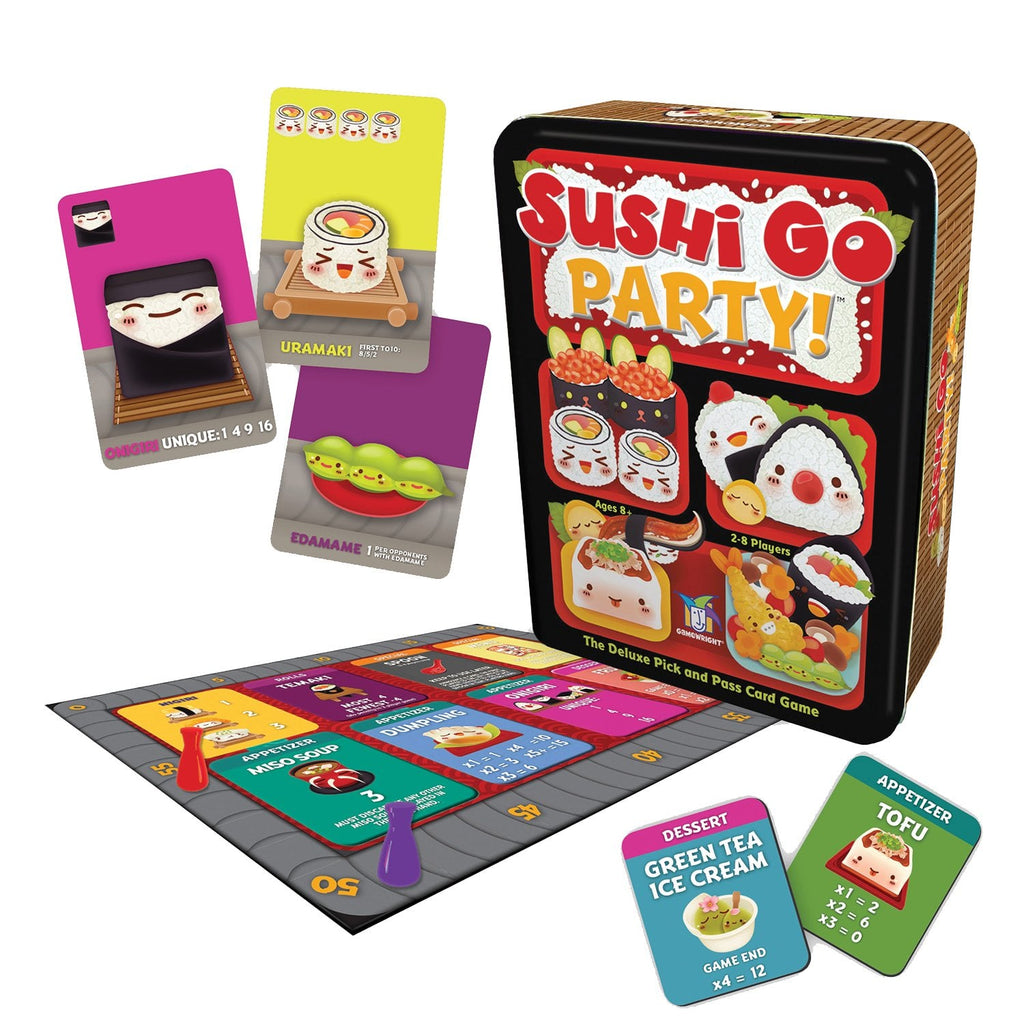
The idea behind Sushi Go Party! is charming: everyone picks one card from their hand — some sashimi, a dab of wasabi, a pudding or two — then passes the rest along, building little scoring combinations over fast rounds until the meal is done and the points are totted up. The Party version scales it to two to eight players and adds the clever bit: a menu of more than twenty dishes that lets the table choose what’s in play each game, so no two nights taste the same.
It’s a lovely middle ground between the other three. It’s quicker to teach than Ticket to Ride, gentler than the Codenames shouting match, and there’s more to think about than Dobble — so an eight-year-old and a strategy-minded uncle can both enjoy the same game. Everyone picks at the same time, so turns never drag, even with a full table.
If the family already owns the smaller Sushi Go!, this is the natural upgrade: it includes the original dishes and adds room for more players. For a household new to it, it’s an easy wrapped surprise — the cartoon sushi does half the selling before the lid’s even off.
What earns the gift-wrap:
- Pick-and-pass drafting takes seconds to grasp and keeps everyone playing every turn
- The menu lets you redesign the dish line-up each game, so it stays fresh
- Scales from two to eight players aged eight and up without losing the room’s energy
Worth weighing up:
- A light game — strategy fans may want something meatier for a long evening
- Picking the menu adds a few minutes of setup the first time round
- Overlaps heavily with the original Sushi Go! if that’s already on the shelf
If the top pick isn’t right: two honest alternatives
If a sit-down hour with a map board sounds like too big an ask — or by the time you’re shopping, its price hasn’t actually moved — the best alternatives are already on this list. For a crowd of teens and adults who gather often, the Codenames deal is the better use of the day: it costs little, fits in a drawer, and gets requested every single time. And for the youngest person in the family, the pocket-sized Dobble is unbeatable as a stocking-filler. Both are small card games, so their weekend discounts are naturally modest, and a small drop on those is still a fine time to buy.
The verdict: what to actually buy this weekend
One proper family board game, bought once: make it the Ticket to Ride: Europe deal, provided today’s price is a real cut from its usual level — that’s the showpiece family discount of the weekend and the game most likely to be on the table every week until next December. Mostly teenagers and adults? Codenames. A six- to eight-year-old in the house? Dobble. A mixed crowd that wants something quick but clever? Sushi Go Party!. If none of that describes your table, the best Black Friday move is the bravest one: buy nothing this weekend, wait for the box you actually want, and let the games come to you — they reliably do.
Quick questions
What age is Dobble right for?
The box says six and up, and that’s about right: the game is all pictures, so no reading is needed, just quick eyes. Younger children can join in on a team with a grown-up, and the mini-games are short enough that nobody gets bored before the next round.
Does Ticket to Ride: Europe need the original Ticket to Ride first?
No — it’s a standalone game with its own map of Europe and its own twists: tunnels that can cost extra cards, ferries that need a locomotive, and stations that let you link through a rival’s city. Most families treat Europe as the best starting point in the series, not the follow-up purchase.
Which of these works with just two people?
Ticket to Ride: Europe plays well as a duel, if a touch more cut-throat. Sushi Go Party! handles two easily with back-and-forth drafting, and Dobble works fine from two upward. Codenames is really a divided-crowd game — there’s a two-player variant, but it earns its keep with more people around the table.