As an Amazon Associate I earn from qualifying purchases. This page contains affiliate links, and I may earn a commission at no extra cost to you.
The Problem with Most Two-Player Cooperative Games
Cooperative tabletop games often suffer from a fatal design flaw: the 'quarterback' problem. When all information sits face-up on the table, the most experienced player inevitably dictates every turn. The second player becomes an assistant moving tokens rather than an equal strategist. Games that eliminate this dynamic without resorting to arbitrary real-time timers rely on clever communication limits, hidden information, and tight mechanical constraints.
For couples, flatmates, and gaming duos seeking high-stakes coordination under £35, recent award-winning releases have fundamentally shifted design expectations. Whether guiding a commercial jet onto a turbulent runway or navigating uncharted ocean trenches, modern two-player cooperative games prioritise tactical deduction over simple dice luck. If you are deciding where to spend your gaming budget, understanding how these mechanics translate to the tabletop is crucial.
What Makes a Dedicated Two-Player Game Succeed?
Many mainstream board games advertise a player count of '1 to 5', but scale poorly down to two. Dummy players, phantom turns, and bloated board states quickly drag down the experience. Dedicated two-player designs—or titles engineered specifically around tight hand management—excel because every single action directly impacts your partner's viability.
- Information Asymmetry: Players must deduce intentions from physical placements or card discards rather than discussing their hands openly.
- Meaningful Failure States: Losing should feel like a near-miss caused by tactical miscalculations rather than unfair randomness.
- Compact Footprint & Quick Setup: A two-player game often hits the dining table on a weeknight; setup should take under five minutes.
- Variable Scenario Structure: Modular tracks, mission logs, or difficulty adjustments ensure the game remains challenging after a dozen sessions.
Top Contenders: In-Depth Breakdown
| Game | Key Mechanic | Player Count | Price Band | Verdict | Buy |
|---|---|---|---|---|---|
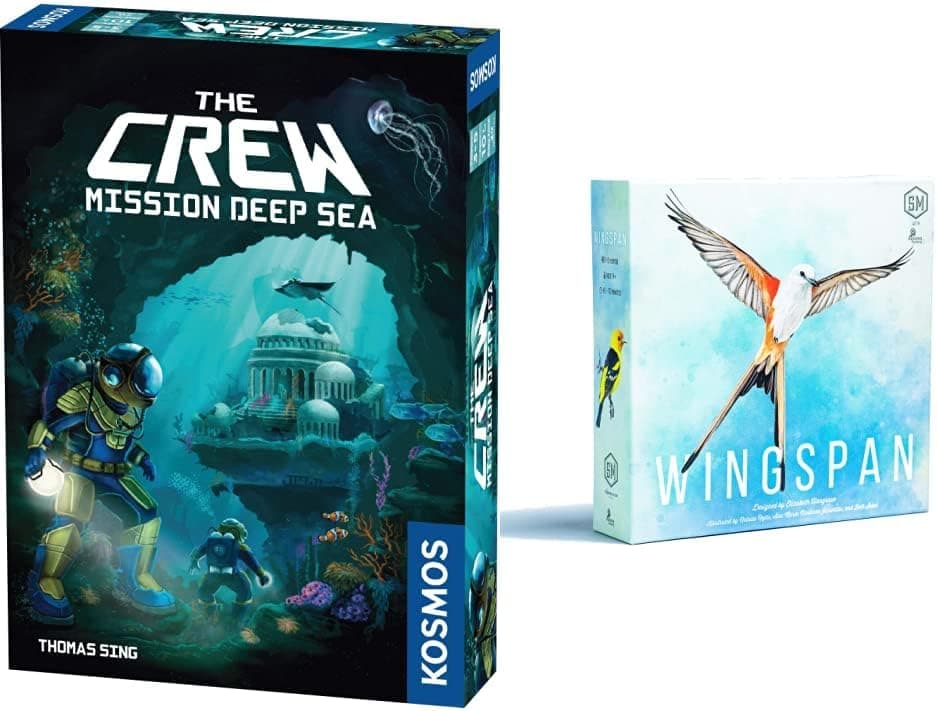
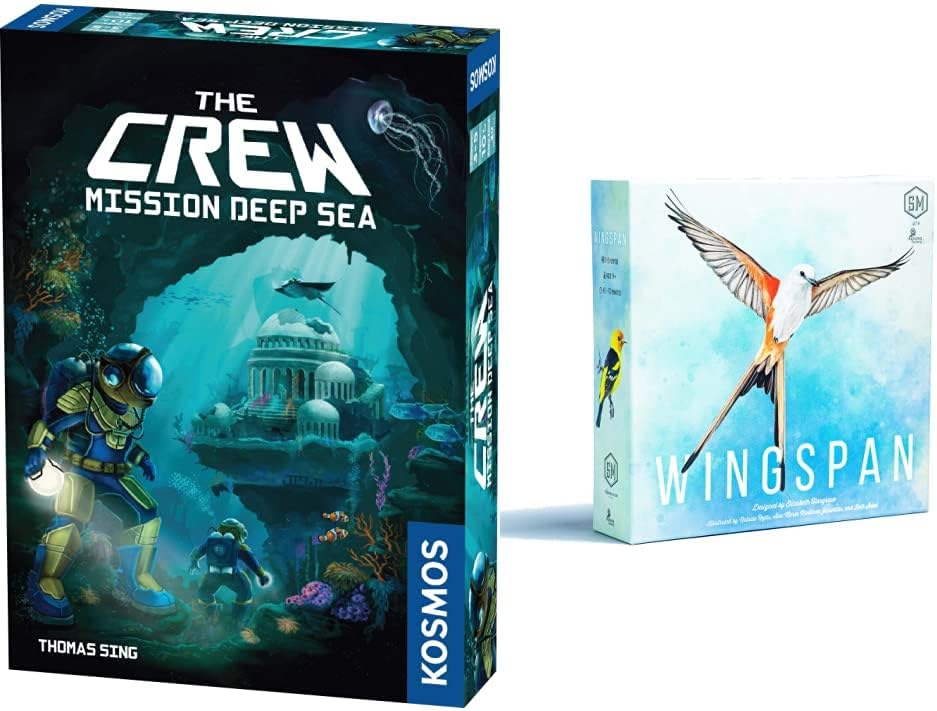
| KOSMOS The Crew: Mission Deep Sea | Cooperative Trick-Taking | 2–5 Players | Budget (Under £15) | Top Value Co-op | See it on Amazon |
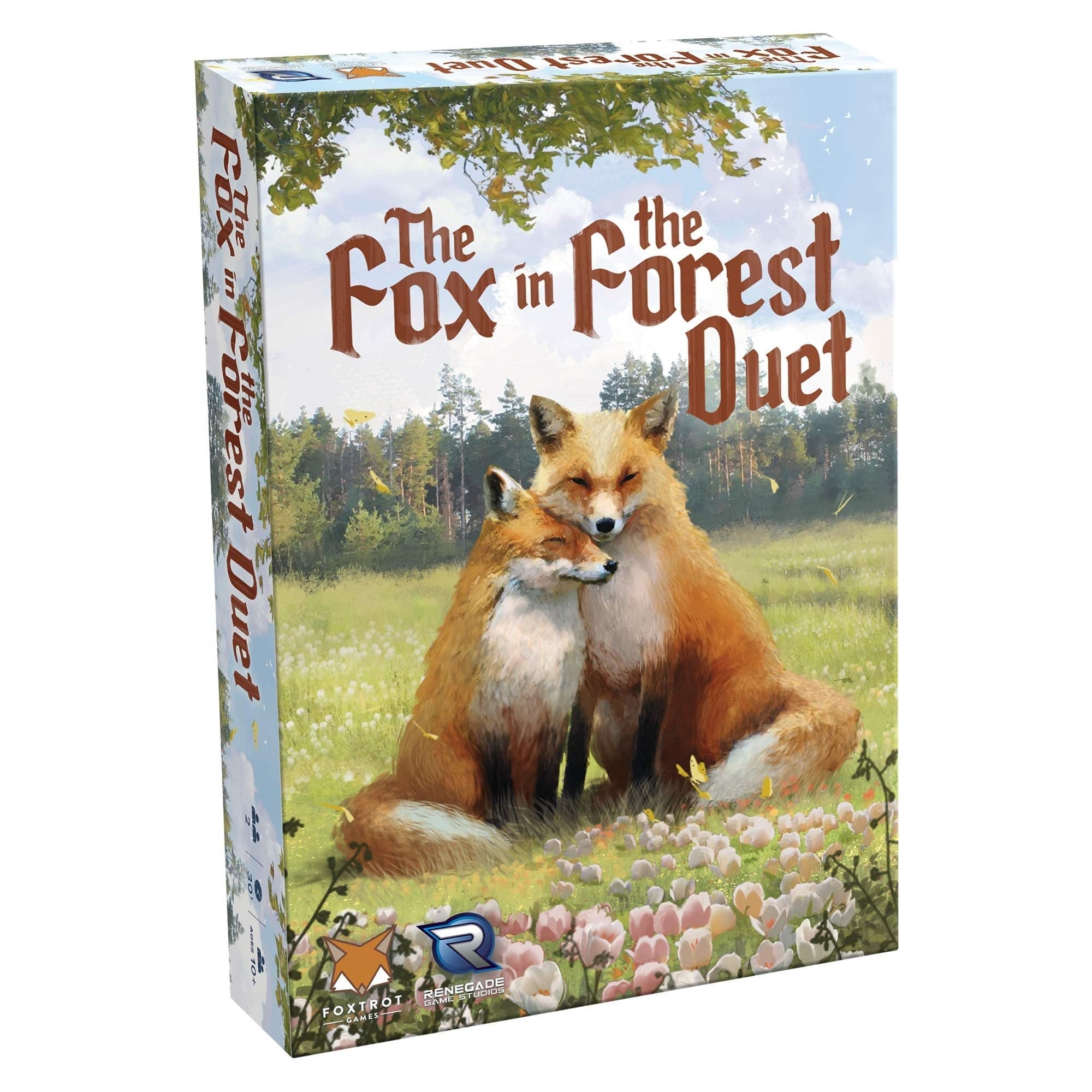
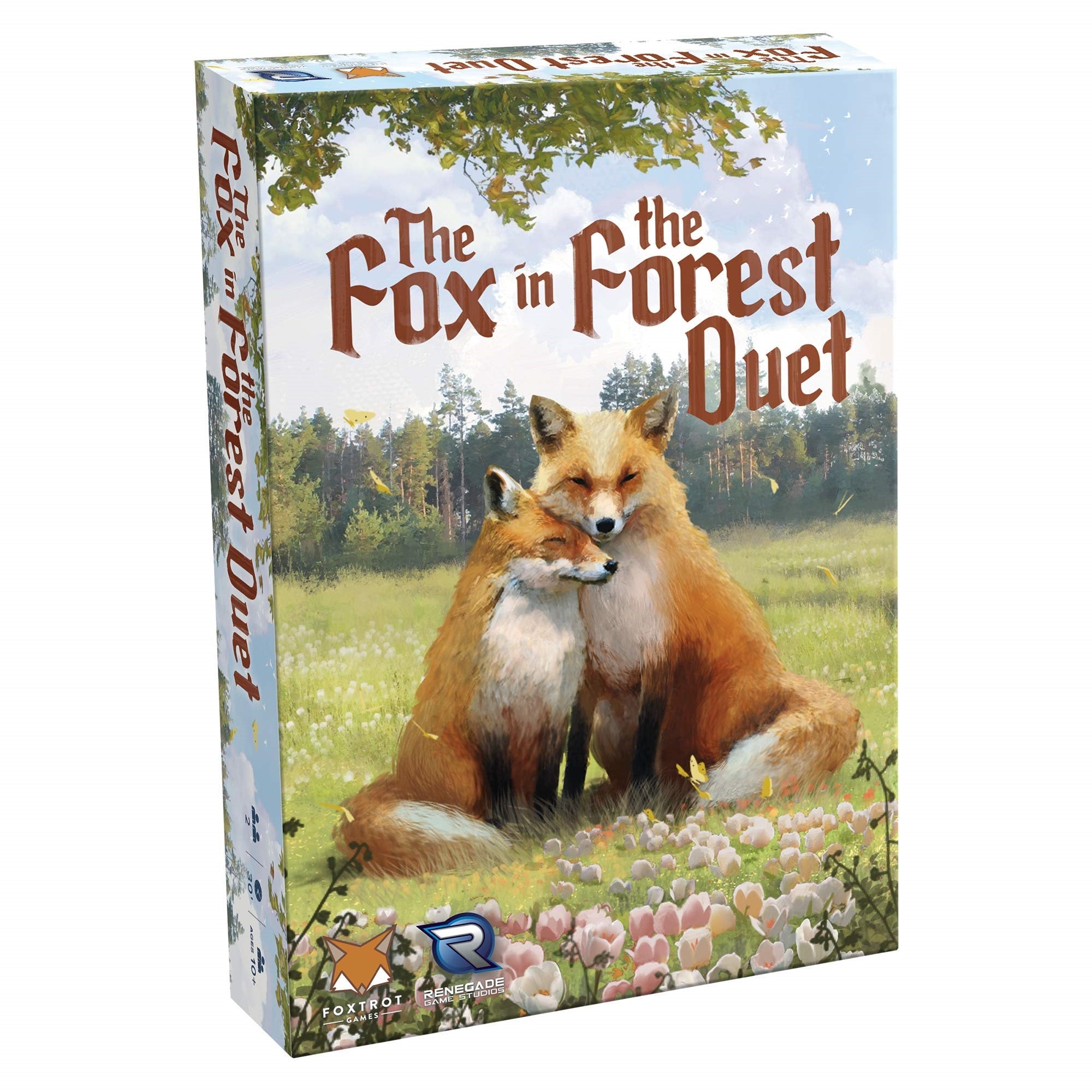
| Renegade Game Studios The Fox in the Forest Duet | Track Movement & Trick-Taking | 2 Players Only | Budget (Under £20) | Best Pure 2-Player Duet | See it on Amazon |
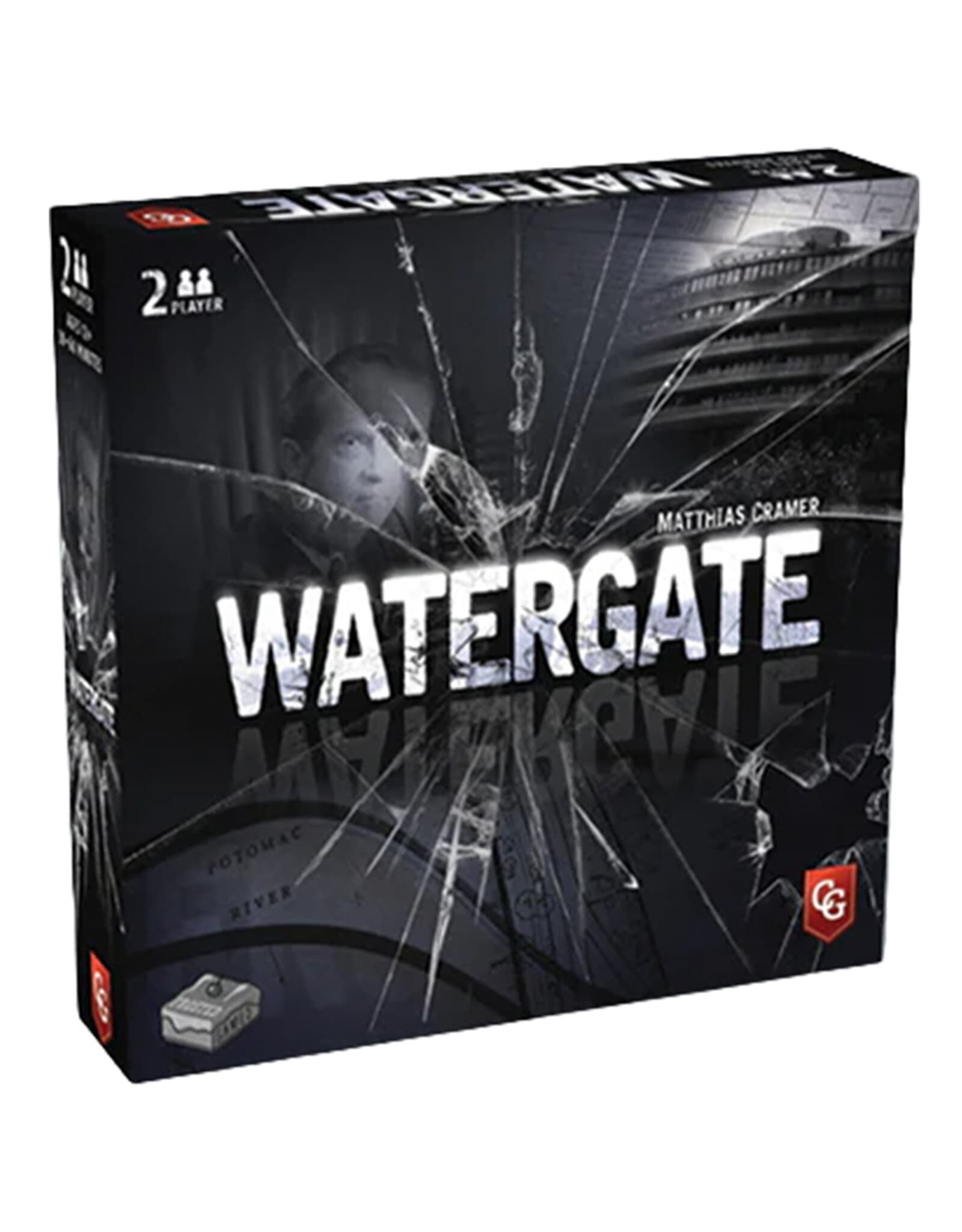
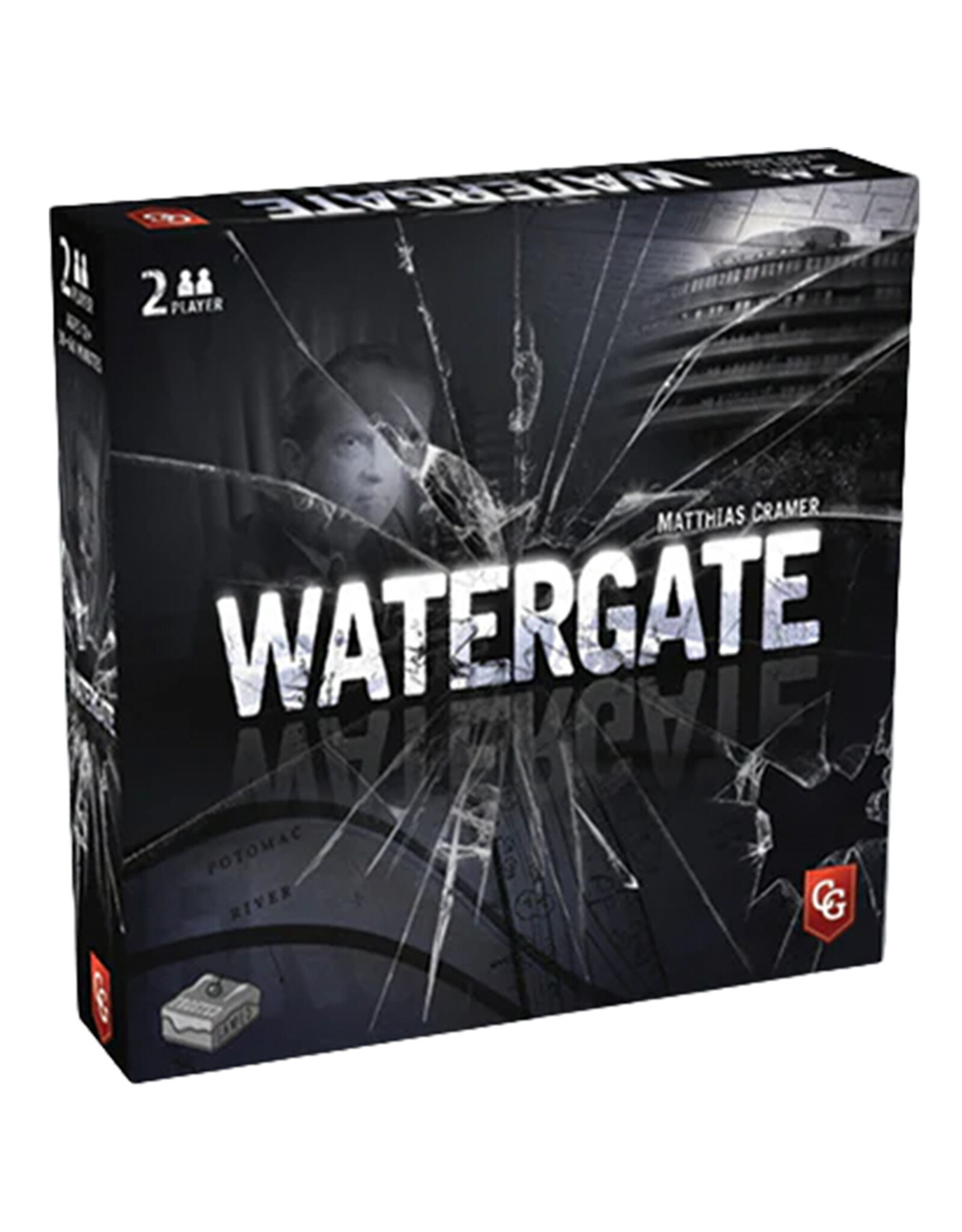
| Capstone Games Watergate | Card-Driven Tug-of-War | 2 Players Only | Mid-Range (Under £35) | Best Competitive Alternative | See it on Amazon |
1. KOSMOS The Crew: Mission Deep Sea
Building on the Kennerspiel des Jahres winning pedigree of its predecessor, KOSMOS The Crew: Mission Deep Sea reimagines classic trick-taking as a subterranean cooperative puzzle. Instead of generic card-counting, each mission tasks the team with fulfilling dynamically generated objective cards that dictate exactly who must win specific cards, suits, or trick sequences.
The central genius lies in the limited communication system. Players cannot speak about their hands. Instead, each diver gets a single sonar token per round to broadcast whether a specific card is their highest, lowest, or only card of that colour. While technically playable up to five, the dedicated two-player variant introduces a neutral 'JARVIS' third hand managed by the commander, providing a deeply tactical puzzle where predicting your partner's card distribution is paramount.
Key Strengths:
- Massive campaign log with scalable mission difficulty that changes every session.
- Unbeatable price-to-content ratio, often available for under £15.
- Zero table bloat; packs entirely into a portable travel box.
Trade-Offs:
- The two-player adaptation requires managing a third dummy hand, which purists may find slightly less organic than larger group play.
2. Renegade Game Studios The Fox in the Forest Duet
If you want a strictly two-player experience that requires no dummy hands or variant rules, Renegade Game Studios The Fox in the Forest Duet is the premier card-driven choice. While the original game was an adversarial trick-taker, Duet turns the mechanic into an interconnected forest walk where winning tricks moves a team marker along a winding path to collect scattered gems.
The tactical tension comes from balance. If player A wins a trick with high movement, the marker shifts in their direction. If player B takes the next trick, it pulls back toward them. Overshooting the path results in forest tokens blocking your route, restricting future movement. Because odd-numbered cards trigger special abilities—such as exchanging cards with your partner or ignoring suit restrictions—every play requires calculating not just who wins the trick, but where the shared marker will land.
Key Strengths:
- Designed exclusively for exactly two players with zero rule compromises.
- Stunning fairytale artwork and durable cardboard forest board.
- Quick 30-minute play sessions that reward careful card counting and position planning.
Trade-Offs:
- Highly punishing for players who struggle with standard trick-taking conventions (following suit, trump management).
3. Capstone Games Watergate
Not every gaming duo wants complete harmony. For couples and partners who prefer razor-sharp tactical friction, Capstone Games Watergate represents one of the most asymmetric two-player card games on the market. One player assumes the role of the Nixon administration trying to maintain momentum until the term ends, while the other commands The Washington Post attempting to connect informants directly to the President on a corkboard evidence web.
Using multi-use cards that can be played for direct value on an evidence track or for unique historical events, every round feels like a desperate political tug-of-war. The press player must scramble for evidence tiles, while Nixon works tirelessly to recruit conspirators and secure informants to cut off lines of investigation. It delivers genuine head-to-head drama in a focused 30-to-45-minute playtime.
Key Strengths:
- Deeply asymmetric gameplay where both roles require entirely different strategic mindsets.
- Includes a rich historical booklet detailing real-world journalists, politicians, and scandals.
- Multi-use card mechanics create agonizing decisions on every single turn.
Trade-Offs:
- Directly competitive rather than cooperative, which may not suit pairs seeking a relaxed evening activity.
Buying Guide: How to Pick the Right 2-Player Dynamic
Dice Placement vs. Trick-Taking Mechanics
Dice-driven games offer instant visual feedback and modular puzzle-solving, where players assign high or low values to discrete systems (such as landing gear, aerodynamic balance, or brakes). In contrast, trick-taking titles like Renegade Game Studios The Fox in the Forest Duet demand long-term memorisation, understanding which cards your partner has already discarded, and calculating probabilities across rounds.
Managing Silence and Table Talk
When choosing a limited-communication game, consider how comfortable you and your gaming partner are with silence during active rounds. The tightest cooperative designs enforce absolute silence while hands or dice pools are being resolved, opening up discussion only between distinct mission phases. If your gaming sessions thrive on constant banter, you will need to actively enforce the communication rules to preserve the puzzle's intended difficulty.
Final Verdict & Buyer Recommendations
If you want the purest, most budget-friendly cooperative experience that scales effortlessly across dozens of escalating challenges, KOSMOS The Crew: Mission Deep Sea remains an essential addition to any gaming shelf. For pairs seeking a dedicated board with path-management nuance, The Fox in the Forest Duet provides remarkable depth in a sub-£20 box.
Take stock of whether your duo prefers harmonious cooperative survival or cutthroat historical strategy, and pick the game engine that best matches your table dynamics.